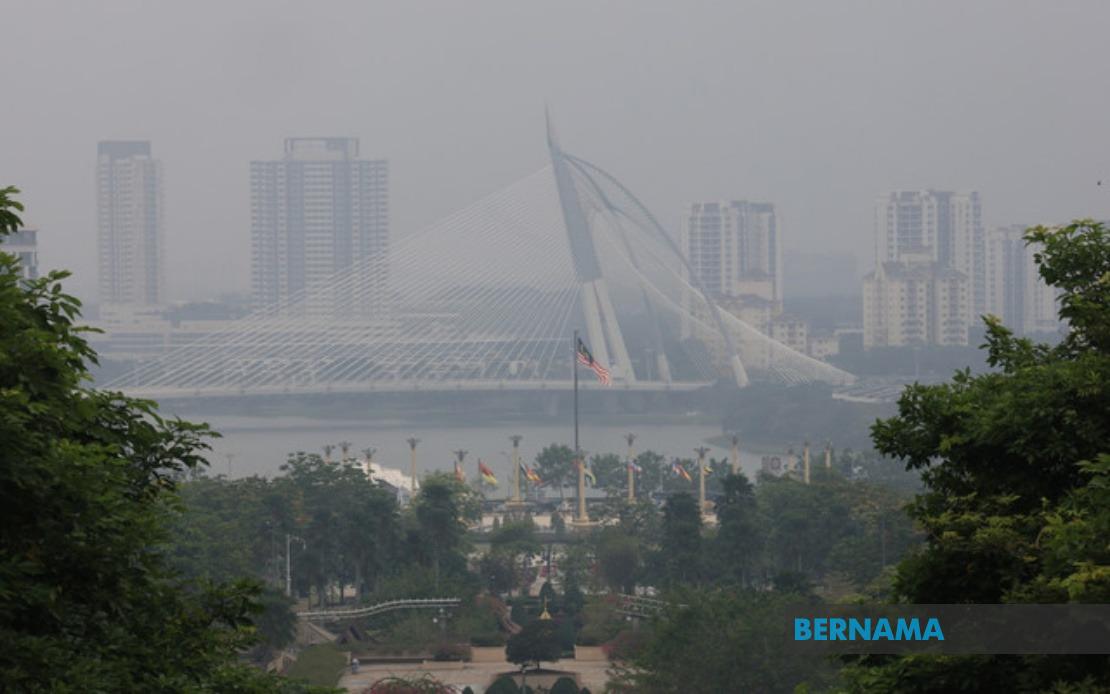
The Department of Islamic Development Malaysia has announced plans to organize Solat Hajat—a supplication prayer traditionally performed during times of crisis—across three major mosques this evening in response to the escalating haze crisis gripping the nation. The coordinated prayer sessions will take place immediately following Maghrib at the National Mosque in Kuala Lumpur, alongside simultaneous gatherings at Putra Mosque and Tuanku Mizan Zainal Abidin Mosque in Putrajaya, representing a unified religious response to an environmental emergency affecting millions of Malaysians.
Director-general Datuk Dr Sirajuddin Suhaimee articulated the spiritual significance of the initiative, framing the prayers as a collective invocation for divine intervention and protection. He extended an invitation to the Muslim community to participate in seeking Allah's mercy and blessing, specifically requesting preservation of public health, personal safety, and the restoration of normal environmental conditions in areas currently experiencing severe air pollution. The statement emphasized the universal nature of the crisis, positioning the prayers as a national act of spiritual solidarity during a period of environmental duress.
This coordinated religious response follows formal directives from both the palace and the federal government. Al-Sultan Abdullah Ri'ayatuddin Al-Mustafa Billah Shah, the Sultan of Pahang, had previously issued a decree urging all Malaysians to engage in prayer and seek divine assistance for those suffering from the environmental crisis. The initiative gained further institutional momentum through endorsement from Dr Zulkifli Hasan, Minister in the Prime Minister's Department overseeing Religious Affairs, demonstrating alignment between religious and governmental authorities in addressing the emergency.
The timing of these prayers underscores the severity of the current situation. As of the morning the announcement was made, air quality monitoring revealed that seventeen distinct locations across six states—namely Sarawak, Selangor, Negeri Sembilan, Johor, Melaka, and Perak—alongside the federal territories of Kuala Lumpur and Putrajaya, had registered unhealthy Air Pollutant Index readings. This geographic spread illustrates how the haze transcends regional boundaries, affecting both peninsular and East Malaysian populations simultaneously.
The scale of affected areas represents one of the most geographically dispersed instances of hazardous air quality in recent memory, with the combination of six states plus two federal territories indicating a nationwide phenomenon rather than localized pollution. The diversity of regions involved—from the industrialized Klang Valley to the mineral-rich corridors of Perak and the expanding urban centers of Johor—suggests that the crisis touches virtually every significant population center and economic hub in the country.
Solat Hajat holds particular cultural and religious significance within Islam, representing a formalized mechanism for collective supplication during extraordinary circumstances. Unlike routine daily prayers, this special petition is reserved for moments when communities face significant hardship or existential challenges requiring divine intervention. The invocation of this ancient prayer form reflects the gravity with which Malaysia's Islamic establishment perceives the current environmental crisis and its implications for public welfare.
The choice of three iconic mosques—each with distinct symbolic importance—reinforces the national scale of the initiative. The National Mosque serves as the spiritual heart of the federation, while the Putra Mosque and Tuanku Mizan Zainal Abidin Mosque represent the institutional grandeur of Malaysia's administrative capital. Conducting synchronized prayers across these locations ensures that the supplications reach deeply into Malaysia's spiritual consciousness while maintaining geographical representation across the capital region.
For Malaysian policymakers and environmental authorities, the mobilization of religious institutions signals an implicit acknowledgment that technical and administrative responses alone may prove insufficient to address the crisis. The involvement of JAKIM and prominent mosques shifts the environmental emergency into the realm of collective national concern requiring not just regulatory action but spiritual and communal mobilization. This represents a distinctive Malaysian approach where governance, environment, and faith intersect.
The haze crisis has recurred cyclically across Southeast Asia for decades, typically originating from agricultural burning in neighboring regions during the dry season. However, the expansion of affected areas and the involvement of high-level religious authorities suggest that this particular episode has reached proportions demanding extraordinary response measures. The decision to organize formal prayers indicates that conventional mitigation strategies may not be delivering rapid relief, prompting authorities to engage religious and social dimensions of crisis management.
For residents across the affected regions, the announcement carries multiple layers of meaning. Beyond the spiritual framework, it communicates official recognition of their suffering and suggests that institutions acknowledge the emergency's severity. The prayers provide an avenue for collective grievance and hope, allowing communities to channel anxiety about respiratory health, reduced visibility, and disrupted daily life into organized spiritual expression.
The coordination between Islamic authorities, royal directives, and ministerial endorsement also demonstrates institutional cohesion during crisis. Rather than fragmented responses, Malaysia's establishment is presenting a unified front combining regulatory authority with spiritual leadership. This integrated approach reflects the intricate relationship between Islam and governance in the Malaysian constitutional framework, where religious legitimacy and state action complement each other.
Looking forward, these prayers represent both immediate spiritual response and implicit commentary on the limitations of existing environmental management protocols. If the haze persists despite such high-level interventions, pressure will mount on environmental agencies to demonstrate concrete progress. The involvement of religious leadership effectively elevates public expectations and broadens the constituency monitoring government performance on air quality management. For Malaysia and the broader Southeast Asian region perpetually vulnerable to transboundary haze, this incident reaffirms that environmental crises inevitably become political and spiritual issues requiring comprehensive national responses.

