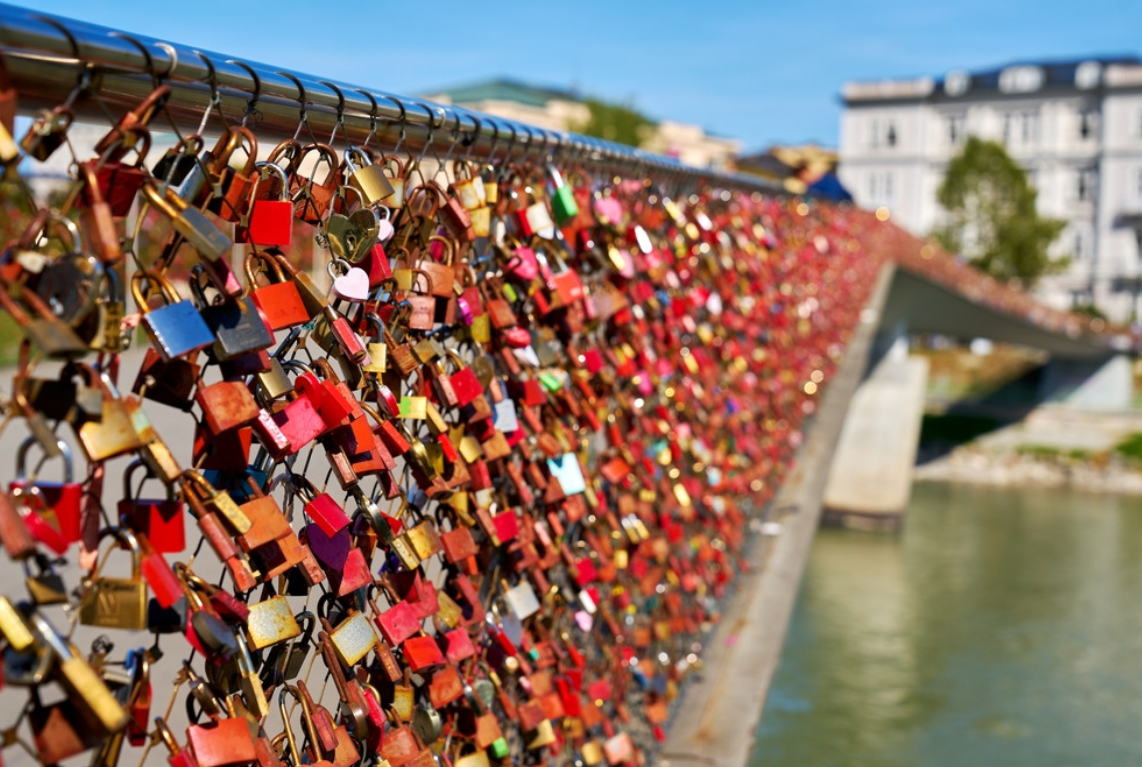
Jakarta's municipal administration is moving forward with an ambitious beautification scheme that would introduce several ornamental bridges inspired by Paris and Seoul's romantic landmarks, yet the proposal has immediately become mired in controversy over whether such expenditure represents sound urban governance. Governor Pramono Anung unveiled the concept for three to four pedestrian bridges spanning the Cideng River alongside Jalan Rasuna Said, one of the capital's most congested arteries, which would ultimately link the thoroughfare to Jalan Kuningan Persada near the headquarters of the Corruption Eradication Commission. The administration has designated 91 billion rupiah—approximately US$5 million—for the broader revitalisation of this 3.8-kilometre corridor, encompassing sidewalk improvements and removal of derelict concrete monorail infrastructure from a failed early-2000s transport initiative.
Governor Pramono framed the bridges as sanctuaries for youthful self-expression, envisioning visitors affixing padlocks and adorning the spans with colourful tokens of affection. Special gubernatorial aide Cyril Raoul "Chico" Hakim elaborated on this vision, characterising the initiative as the creation of "romantic public space" where contemporary design would harmonise with pedestrian accessibility. However, the administration has provided no definitive cost allocation for the bridge component itself, with officials claiming the precise expenditure remains undetermined pending completion of detailed engineering assessments. This budgetary ambiguity has amplified scrutiny from both ordinary residents and urban policy specialists who question whether such discretionary spending reflects the priorities of a megacity confronting tangible infrastructure deficits.
The scepticism emanating from Jakarta's population reflects deeper concerns about opportunity costs and equitable resource distribution. Karlina, a 27-year-old office worker positioned within the Mega Kuningan business district, articulated the disconnect between the project's romantic aspirations and its practical appeal. She observed that whilst the bridges might possess novelty value, their location within a commercial hub made them unlikely destinations for leisure visits, suggesting instead that younger demographics gravitated toward free, accessible spaces served by convenient mass transit. Her observations underscore a fundamental mismatch: the proposed site occupies territory characterised predominantly by vehicular rather than pedestrian circulation, rendering it inhospitable to the spontaneous social gathering the administration apparently envisions.
Urban planning specialist Trubus Rahadiansyah has articulated perhaps the most pointed criticism, dismissing the bridge initiative as essentially performative infrastructure that privileges aesthetic gestures over functional necessity. Rahadiansyah characterised the project as a "gimmick" fundamentally misaligned with Jakarta's actual transportation ecology, where vehicle dominance overwhelms pedestrian pathways. More significantly, he contextualised the debate within a catastrophic safety failure that underscores Jakarta's genuine infrastructure deficits: an April collision between a Commuter Line train and the Argo Bromo Anggrek intercity service in Bekasi, West Java, resulted in 16 fatalities and at least 91 injuries. The accident originated from a separate incident involving a commuter train striking an electric vehicle immobilised at an unguarded railway crossing, exposing the city's critical vulnerability to railway safety infrastructure failures.
Rahadiansyah's assessment extends beyond singular incidents to systemic deficiencies pervading Jakarta's railway network. He emphasised that numerous level crossings throughout the metropolitan area lack elementary safety apparatus such as barriers and warning gates, representing persistent hazards to commuters and civilian motorists alike. The contrast he draws proves instructive: whilst the municipal government contemplates romantic pedestrian bridges serving primarily aesthetic and symbolic functions, thousands of residents navigate daily exposure to potentially lethal transportation infrastructure gaps. The planning expert's argument implicitly questions the administration's priorities, suggesting that resources directed toward ornamental installations could instead address demonstrable threats to public safety and mobility.
Parliamentary representation has reinforced these objections. Kevin Wu, a Jakarta councillor representing the Indonesian Solidarity Party, demanded transparent fiscal review of the love lock bridge initiative, positioning the proposal within a broader argument concerning equitable municipal development. Wu emphasised that basic infrastructure—accessible sidewalks, secure pedestrian passages, and accessible green spaces—merits prioritisation over iconic projects potentially seen as urban vanity. His intervention reflects growing concern that disproportionate attention and resources flow toward visually distinctive installations benefiting concentrated populations whilst peripheral districts, particularly West, East, and North Jakarta, experience development neglect. Wu's framing transforms the bridge debate from a technical planning question into a governance equity issue, asking whether Jakarta's administration allocates public resources according to universal need or concentrated preference.
The philosophical tension embedded within this dispute reflects broader questions facing megacities across Southeast Asia. Jakarta's scale, density, and fiscal capacity position it as a potential laboratory for urban innovation, yet this distinction carries attendant risks. Spectacular infrastructure projects generate headlines, administrative prestige, and international visibility, potentially influencing electoral calculations and bureaucratic advancement. Conversely, unglamorous safety improvements and prosaic sidewalk renovations generate minimal political capital despite their direct impact on daily resident experience. The love lock bridge initiative embodies this tension: romantic, exportable, and media-friendly, yet disconnected from the pedestrian-unfriendly environment it purports to enhance. The project crystallises a recurrent challenge facing developing-world metropolitan governments navigating pressures between aspirational urbanism and fundamental service delivery.
Geographical and socioeconomic dimensions further complicate the initiative. Jalan Rasuna Said anchors Jakarta's premium commercial district, concentrating corporate offices, upscale retail, and affluent consumer activity. Beautification investments in this corridor disproportionately benefit already-privileged populations whilst potentially signalling indifference toward infrastructure deficits in peripheral and lower-income areas. This pattern resonates across Southeast Asia, where capital cities frequently concentrate developmental resources within affluent central zones whilst peripheries languish. The love lock bridge controversy thus extends beyond Jakarta's immediate circumstances, reflecting systemic tensions within regional urban governance between spectacle and sufficiency, between romantic aspiration and pragmatic necessity.
The budgeting opacity surrounding the bridge component additionally raises governance concerns. Officials' acknowledged inability to specify project costs during announcement suggests either inadequate planning rigour or strategic ambiguity designed to forestall criticism. For a 91-billion-rupiah initiative, such budgetary vagueness proves problematic, implying potential for cost escalation, scope creep, and diminished accountability. Comparative metropolitan governance standards typically require detailed engineering assessments, transparent cost allocation, and public consultation prior to substantial expenditure announcement. The administration's apparent deviation from these protocols invites questions about fiscal discipline and planning transparency across Jakarta's municipal bureaucracy.
The discourse surrounding the love lock bridge ultimately transcends immediate architectural or aesthetic questions to reflect fundamental governance philosophy. Does urban development prioritise inclusive functionality serving universal resident needs, or aspirational projects potentially generating international attention and administrative distinction? Does infrastructure investment follow evidence-based priority-setting centred on risk mitigation and accessibility, or political considerations affecting electoral prospects and bureaucratic promotion? These questions carry implications extending well beyond Jakarta, resonating through Southeast Asian cities facing similar tensions between visionary urbanism and pressing infrastructure deficits. The love lock bridge debate illuminates how ostensibly marginal decisions regarding public resource allocation crystallise broader tensions between competing visions of urban governance.

