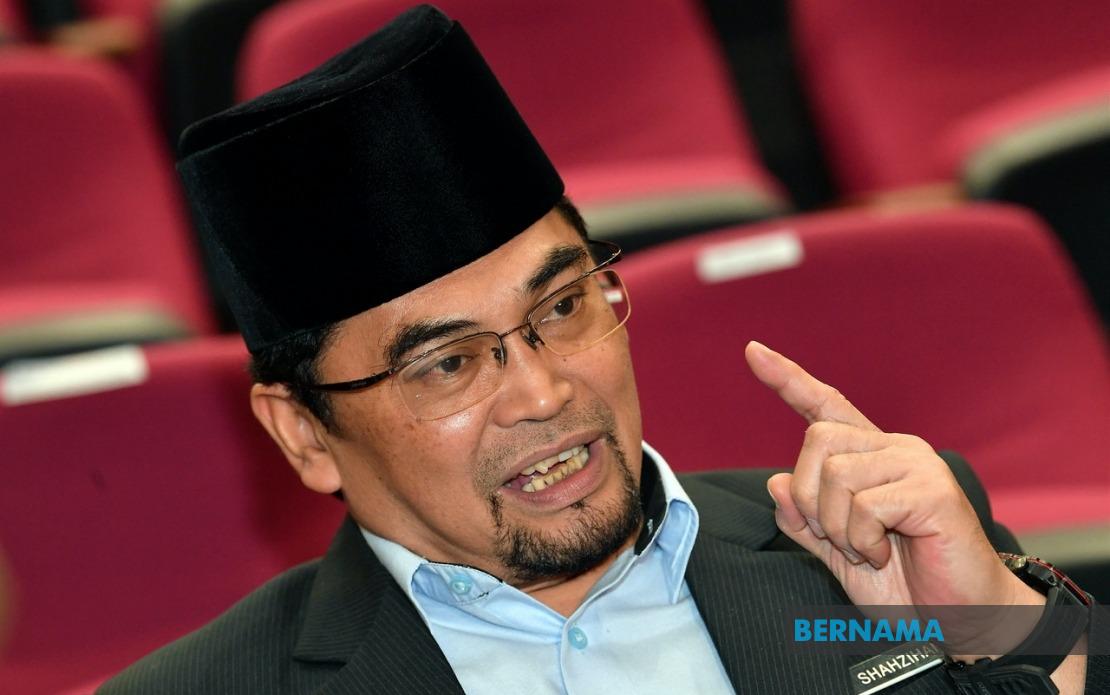
The Selangor Islamic Religious Department (JAIS) is moving to overhaul its recruitment and oversight procedures for teaching staff at religious schools across the state, responding to mounting concerns about safeguarding. The initiative follows a documented case of alleged sexual assault involving a teacher at a religious institution, which authorities subsequently transferred to police investigation. JAIS director Datuk Mohd Shahzihan Ahmad outlined the comprehensive reform package during a public address in Shah Alam, signalling the department's commitment to creating safer learning environments for vulnerable student populations.
Central to the proposed reforms is a more rigorous vetting framework that would fundamentally change how religious schools recruit and authenticate teaching personnel. Mohd Shahzihan disclosed that JAIS is currently collaborating with the School Registration Committee to develop formal procedures requiring all prospective and current teachers to obtain police clearance certificates. This represents a significant tightening of employment standards, moving beyond existing practices that may have relied on informal background assessments or community recommendations alone.
The police clearance requirement addresses a critical gap in institutional safeguarding practices within Malaysia's Islamic education sector. By implementing this measure, JAIS would align religious school hiring protocols more closely with those employed in government and private educational institutions, creating a uniform baseline of security screening across the education system. The department acknowledges that such implementation will require detailed coordination with law enforcement agencies to establish practical procedures, timelines, and data-sharing protocols that enable efficient processing without unduly delaying recruitment cycles.
Beyond recruitment scrutiny, JAIS is developing behavioural guidelines that establish clear boundaries governing teacher-student interactions within religious school settings. These protocols specifically target scenarios that create vulnerability to abuse, such as unsupervised meetings, private memorisation sessions conducted outside formal classroom hours, and interactions occurring in isolated spaces without witnesses. The guidelines explicitly discourage teachers from extending special privileges to particular students or arranging encounters at irregular times, practices that create opportunities for exploitation and undermine institutional transparency.
The proposed segregation measures represent a departure from informal trust-based models that have historically characterised religious education in Malaysia. By mandating third-party oversight and structured communication between instructors and pupils, JAIS aims to eliminate situations where misconduct could occur without detection or accountability. Such requirements reflect evolving international standards in child protection, acknowledging that formal institutional mechanisms prove more reliable than individual judgment in preventing harm.
These reforms carry particular significance for Malaysia's Islamic education ecosystem, which educates hundreds of thousands of students annually across residential and day facilities. Religious schools often occupy unique positions within their communities, combining spiritual guidance with academic instruction and sometimes accommodation provision. This convergence of roles and responsibilities creates distinct safeguarding challenges that differ from conventional school environments, necessitating tailored protective mechanisms that account for the nature of Islamic pedagogy while maintaining robust child protection standards.
The timing of JAIS's initiative reflects growing public awareness regarding institutional accountability in education. Recent cases involving sexual misconduct by authority figures have prompted scrutiny of whether screening and supervision practices adequately protect students. By proactively implementing these measures, JAIS demonstrates responsiveness to community concerns and willingness to acknowledge that existing safeguards require strengthening. This approach potentially forestalls future public controversies whilst establishing replicable models for other religious education providers across Malaysia.
The collaboration between JAIS and the School Registration Committee signals institutional coordination that may ultimately influence national standards for religious education oversight. If Selangor's framework proves effective, it could establish precedent for similar requirements in other states, gradually harmonising safeguarding practices across Malaysia's diverse religious school landscape. Such standardisation would benefit students by ensuring consistent protective measures regardless of geographical location, whilst also raising expectations for accountability among educators nationwide.
Implementing these reforms will require sustained commitment and resource allocation from JAIS and participating institutions. Police clearance processing involves administrative timelines and coordination across multiple agencies, potentially creating temporary disruptions in hiring if procedures are not carefully designed. Religious schools must also navigate the practical challenge of adapting teaching methodologies to incorporate mandatory supervision structures without undermining pedagogical effectiveness or creating excessive bureaucratic burden that discourages qualified educators from entering the profession.
The broader implications extend beyond institutional mechanics to encompass cultural shifts in how Malaysian Islamic education communities perceive child protection. Introducing formal screening and surveillance mechanisms may initially encounter resistance from educators accustomed to operating within trust-based frameworks, requiring thoughtful change management and communication emphasising that such measures protect both students and teachers by creating transparent accountability structures. This cultural transition represents as significant a challenge as technical implementation, requiring sustained dialogue between JAIS, school administrators, educators, parents, and community leaders.
For Malaysian parents and students, these developments offer potential reassurance that religious educational institutions are implementing evidence-based safeguarding practices comparable to international standards. However, the ultimate effectiveness of these reforms depends upon genuine implementation rather than procedural formality. JAIS's success in strengthening oversight will influence public confidence in religious education more broadly and may shape enrolment patterns as parents weigh institutional safety records when selecting schools for their children.
Looking forward, JAIS's initiative establishes a foundation upon which more comprehensive safeguarding frameworks can be developed. Future enhancements might include mandatory training programmes for staff on recognising and reporting misconduct, transparent reporting mechanisms for students and parents to raise concerns, regular institutional audits to verify compliance with guidelines, and survivor support protocols. By treating this as a foundational step rather than a complete solution, JAIS acknowledges that child protection requires continuous refinement as institutions learn from implementation experience and evolving best practices.

