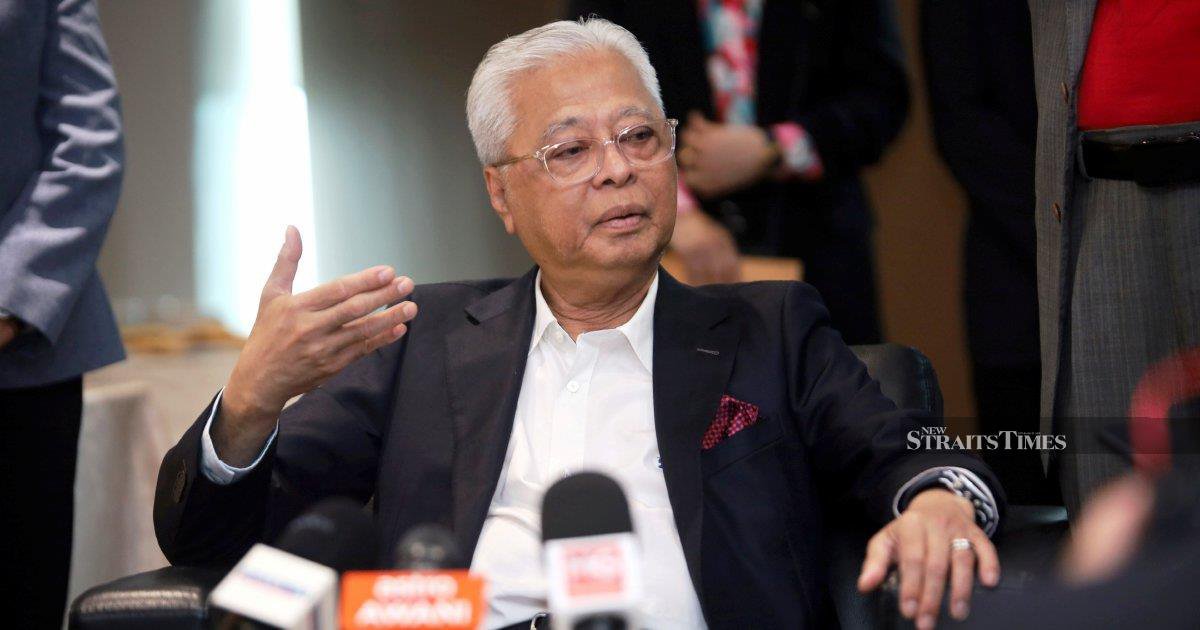
Former Prime Minister Datuk Seri Ismail Sabri Yaakob's upcoming court hearing has been rescheduled to August 27, following a medical decision that will require him to undergo pacemaker surgery in the interim. The deferment concerns the charge reading and formal plea recording, critical procedural steps in his ongoing legal matter.
The postponement highlights the intersection between Malaysia's judicial system and provisions for health emergencies affecting key figures in high-profile cases. When individuals facing court proceedings require significant medical interventions, the justice system must balance the imperatives of timely judicial process with humanitarian considerations. Pacemaker implantation is a serious cardiac procedure that requires substantial recovery time, making the defendant's temporary absence from proceedings both medically necessary and judicially accommodated.
This development underscores broader patterns in Malaysian jurisprudence where defendants of prominence have occasionally secured medical deferments, though such arrangements remain subject to judicial discretion and strict limitations. The court's decision to postpone rather than proceed in the defendant's absence reflects established protocols designed to ensure fair process, despite the controversial nature of cases involving former senior government officials.
For the former premier, this medical intervention represents a significant health development that demands immediate attention. Cardiac conditions serious enough to necessitate pacemaker placement carry serious implications, and delaying such treatment could pose genuine risks. The surgical procedure itself typically requires hospitalisation and a recovery period spanning several weeks, during which court appearances would understandably be impractical.
The August 27 date now marks a critical juncture in the proceedings. At that hearing, the court will proceed with the formal charge reading—where the accusations against the defendant are officially presented—and the plea recording, wherein Ismail Sabri will formally respond to those charges by either admitting guilt or contesting them. These procedural stages are foundational to the case progression and cannot legally proceed without the defendant's presence in most circumstances.
The case itself remains significant within Malaysia's political landscape. The arrest and prosecution of a former prime minister represents a notable development in the country's ongoing anti-corruption and governance accountability efforts. Such high-profile legal actions carry substantial implications for public confidence in institutions and the rule of law, while simultaneously generating considerable political and media interest.
For Malaysian readers familiar with the nation's legal framework, pacemaker surgery complications and recovery timelines could reasonably extend recovery requirements beyond typical expectations, potentially influencing future court scheduling. The deferment announced reflects practical acknowledgement of these medical realities rather than any precedent for indefinite postponement or procedural advantage.
The rescheduled August 27 hearing date provides clarity regarding the timeline for case progression, allowing legal representatives, prosecutors, and court administrators to prepare appropriately. This clarity benefits all parties involved and ensures that when proceedings resume, they can advance without further interruption.
From a Southeast Asian perspective, Malaysia's handling of high-profile prosecutions involving former government leaders continues to draw regional attention. Neighbouring countries facing their own governance accountability challenges look to how established democracies in the region manage such delicate proceedings. The procedural fairness demonstrated through accommodating legitimate medical needs, while maintaining judicial momentum, reflects institutional maturity in balancing competing principles.
The intersection of health circumstances and legal proceedings has become increasingly relevant in cases spanning multiple years. Complex legal matters often require extended timelines, and defendants' medical conditions can significantly affect scheduling. This case exemplifies how modern judicial systems must accommodate both procedural rigor and practical humanitarian considerations, a balance that proves challenging to maintain under intense public scrutiny.
Medial postponements in high-profile cases invite speculation about strategy and timing, though courts typically resist such considerations when making health-related determinations. The medical necessity here appears genuine and straightforward, suggesting the deferment reflects authentic healthcare requirements rather than tactical manoeuvring.
The August 27 date ultimately marks a resumption point rather than a beginning, with the full arc of this prosecution still unfolding. How the proceedings advance from the charge reading and plea recording stage remains subject to numerous variables, including the defendant's plea decision and the complexity of evidence the prosecution intends to present. Malaysian observers will watch closely as this significant legal matter progresses through subsequent stages.

