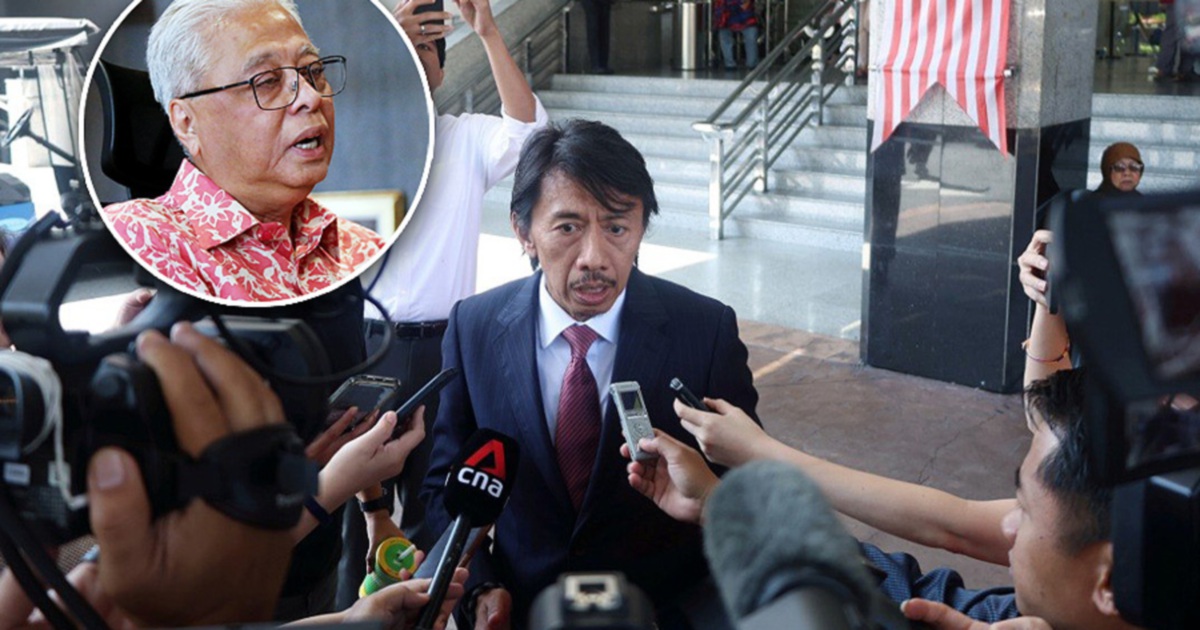
Former Prime Minister Datuk Seri Ismail Sabri Yaakob has signalled his resolve to contest corruption allegations against him, moving forward with legal proceedings under the Malaysian Anti-Corruption Commission Act despite a recent health episode that interrupted his public activities. The 65-year-old political veteran is gearing up to enter the courtroom later this month, where he will confront charges that have cast a shadow over his post-premiership period and forced him to navigate the complexities of Malaysia's legal system while managing his personal wellbeing.
The determination expressed by Ismail Sabri reflects a political calculation familiar to many Malaysian leaders who have faced similar circumstances. By maintaining a public posture of fighting the allegations, he positions himself as a victim of selective prosecution or political targeting—a narrative that resonates with his supporters and maintains his relevance within United Malays National Organisation circles. This approach is not merely defensive; it serves to preserve his political capital and influence over a faction within the ruling coalition at a time when party dynamics remain fluid and leadership succession questions linger.
The former premier's decision to proceed with his legal battle despite the health setback underscores the high personal stakes involved. A conviction under the MACC Act would not only result in potential imprisonment but could also trigger automatic disqualification from holding elected office and damage his legacy as the country's leader during the crucial post-pandemic recovery period. For someone who has spent decades in electoral politics, such consequences represent an existential threat to his political future and personal honour.
Malaysia's anti-corruption framework has become increasingly visible in recent years, with prominent political figures from across the spectrum facing investigations and prosecutions. The charges against Ismail Sabri occur within this broader context of heightened scrutiny of public officials' conduct, where the MACC has expanded its investigative capacity and public visibility. His case will inevitably draw comparisons to other high-profile corruption proceedings involving senior politicians, reinforcing public perceptions of accountability—or alternatively, selective justice, depending on one's political perspective.
The health challenge that recently affected the former prime minister adds a human dimension to what might otherwise appear as a purely political drama. Public figures in their mid-60s facing protracted legal proceedings often experience physical and mental strain from the stress involved. Yet Ismail Sabri's decision to continue forward suggests either confidence in his legal team's strategy or a belief that abandoning his fight would constitute admission of wrongdoing. In the context of Malaysian politics, where personal honour and political survival are deeply intertwined, stepping back might be perceived as a more damaging outcome than facing the accusations directly.
The timing of the charges carries significance for Malaysian politics at multiple levels. The MACC investigation and subsequent prosecution fall under the broader scrutiny of governance practices during Ismail Sabri's tenure as Prime Minister from 2021 to 2022. Questions about transactions, procurement decisions, and administrative actions during that period have emerged through various channels, and the formal charges represent an institutional response to these concerns. Whether the timing reflects genuine investigative progress or political considerations remains a subject of interpretation among different constituencies.
Ismail Sabri's legal team will likely mount a vigorous defence, examining evidence, challenging witness credibility, and exploring procedural questions that could affect the case's trajectory. The former premier has resources and political connections that many ordinary Malaysians lack, advantages that could influence his ability to mount a comprehensive legal strategy. Nevertheless, even with such advantages, navigating MACC prosecutions demands substantial attention and emotional energy from the accused and their support networks.
The broader Malaysian political ecosystem will closely monitor this case's progression and outcome. For the United Malays National Organisation, the proceedings create awkward dynamics—the party risks appearing complicit in governance failures if Ismail Sabri is convicted, or alternatively seems to lack legitimate institutional mechanisms for holding its own leadership accountable if he is acquitted. These tensions reflect deeper challenges within Malaysian political parties regarding internal discipline and oversight mechanisms.
For Southeast Asian observers, Ismail Sabri's situation illustrates broader patterns of anti-corruption enforcement in the region, where legal proceedings against high-level political figures generate intense scrutiny and frequently become entangled with political narratives. Malaysia's experience contributes to regional conversations about the independence of anti-corruption bodies and the relationship between legal institutions and political power.
As the case moves forward, Ismail Sabri's ability to maintain his public composure and resolve will likely influence how supporters and critics perceive both his character and the integrity of the judicial process. The former premier's insistence on fighting the charges, despite personal challenges, signals that he views this legal battle as central to his political and personal identity. The coming weeks and months will test whether his determination translates into a favourable outcome in court.

