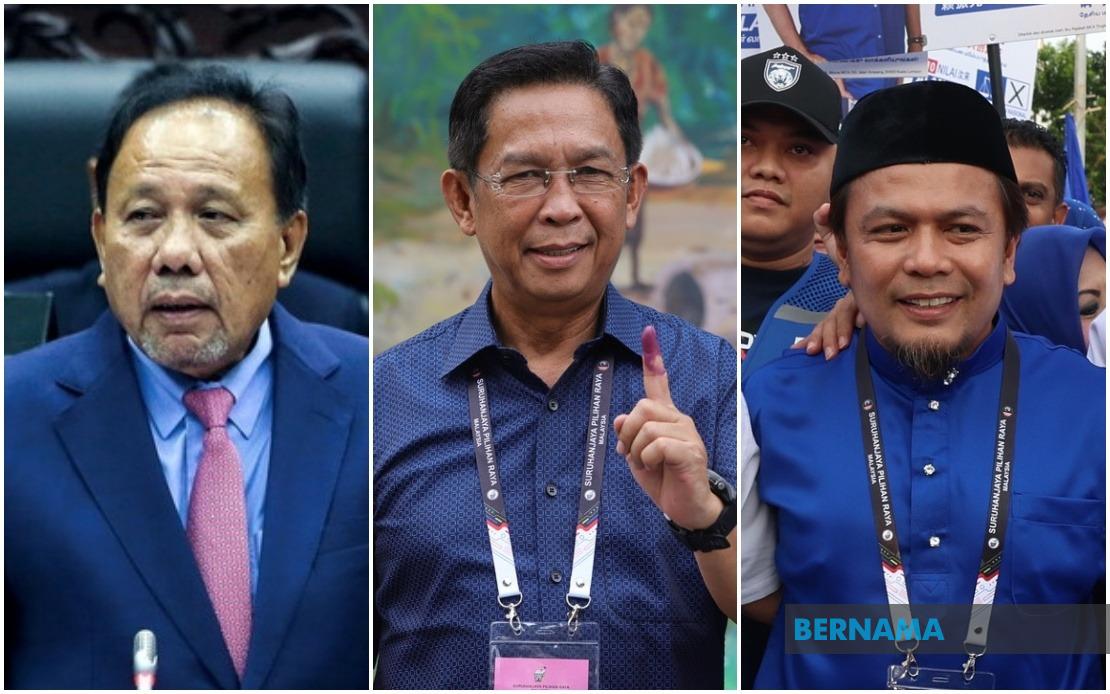
Datuk Ismail Lassim, the 67-year-old chief of UMNO's Kuala Pilah division and a member of the party's Supreme Council, has emerged as one of three leading candidates to assume the role of Negeri Sembilan's next Menteri Besar. His candidacy comes on the heels of a decisive electoral victory for the Barisan Nasional-Perikatan Nasional coalition in the state's recently concluded 16th state election, where he successfully retained his Juasseh state seat. The formal appointment ceremony was set to take place on August 2 at Istana Besar Seri Menanti in Kuala Pilah, marking the culmination of consultations that occurred following the election results.
Two other prominent figures are also under consideration for the position. Datuk Seri Jalaluddin Alias, a 62-year-old who chairs UMNO's liaison committee in Negeri Sembilan and represents Jelebu in Parliament, retained his Pertang state seat in the election. The third candidate under discussion is Datuk Mohd Asna Amin, aged 47, a former state deputy speaker who secured victory in the Lenggeng constituency. The range of ages and experience levels among the three reflects the broader dynamics within UMNO as it recalibrates its leadership structure following the electoral contest.
The electoral outcome delivered a commanding mandate for the BN-PN alliance. Together, the two coalitions captured 29 of the 36 available seats—with BN securing 18 and PN winning 11—providing them with more than the two-thirds majority required for unilateral governance. This represents a significant shift from the previous state election cycle, when Pakatan Harapan had commanded 17 seats to form a coalition government with BN's 14 seats, while PN garnered only five. The 2024 result underscores substantial changes in voter preferences across Negeri Sembilan's constituencies, with 103 candidates competing across the state for representation.
The path to this election was precipitated by internal political dynamics within the BN coalition itself. On April 27, Negeri Sembilan's BN organization voted to withdraw its support from then-Menteri Besar Datuk Seri Aminuddin Harun, triggering a political realignment. This decision led to the dissolution of the state assembly on June 5, necessitating the return to the ballot box. The circumstances represented a notable departure from the power-sharing arrangement that had characterized the previous administration, where multiple coalitions had to negotiate their way to a functional majority.
BN Chairman Datuk Seri Dr Ahmad Zahid Hamidi presented the three shortlisted names to the Regent, Tuanku Muhriz, at Istana Hinggap in Seremban on the evening before the ceremony. This formal presentation of candidates to the state's constitutional ruler follows established protocol in Malaysia's Westminster-influenced system, where the Menteri Besar position, while effectively determined by elected representatives, requires formal royal appointment. The timing and choice of candidates reflect careful deliberation within UMNO's senior ranks regarding continuity and representation of different geographic and demographic constituencies within the state.
For Malaysian political observers, particularly those tracking UMNO's evolution following its return to federal government, the Negeri Sembilan race carried symbolic weight. The party's performance in the state election provided indicators of its organizational strength and appeal to voters in a peninsular state where PAS-aligned Perikatan Nasional had made inroads. The fact that BN captured more than half the available seats demonstrates the coalition's competitive positioning in the state, even as PN's 11-seat haul reflects the continued fragmentation of Malaysia's political landscape along ideological and coalition lines.
The Menteri Besar role carries substantial administrative responsibility, overseeing state-level governance, development initiatives, and relations with the federal government. Whoever is selected from the three finalists will inherit a state that has experienced significant political turbulence over the preceding months. Managing this transition while building consensus within both the BN and PN coalition partners will require considerable political acumen and interpersonal skill.
The electoral performance in Negeri Sembilan also carries implications for broader peninsular politics. As a mid-sized state with a relatively diverse demographic profile spanning urban centers like Seremban and rural constituencies in Jelebu and Jempul, the state's political trajectory often mirrors trends occurring at the national level. The emphatic support for the BN-PN combination suggests that voters in Negeri Sembilan responded favorably to these coalitions' messaging, whether centered on economic concerns, administrative stability, or perceived competence in governance.
Looking forward, the incoming Menteri Besar will face the task of consolidating the coalition's majority while addressing state-level policy priorities. Negeri Sembilan's economy, anchored partially by manufacturing and agriculture alongside service-sector activity in its urban areas, requires thoughtful management of development resources. The new administration will also need to navigate federal-state relations, particularly regarding revenue allocation, infrastructure projects, and coordination on national initiatives that intersect with state jurisdiction.
The choice among the three candidates will ultimately reflect UMNO's strategic priorities and internal balance-of-power considerations. Each candidate brings distinct advantages—Ismail Lassim's Supreme Council position and successful retention of his seat, Jalaluddin Alias's parliamentary experience and role as UMNO's state liaison chief, and Mohd Asna Amin's youth and prior experience in state legislative affairs. The final decision will emerge from deliberations that account for party unity, geographic representation within Negeri Sembilan, and alignment with federal-level UMNO leadership priorities under the current administration.

