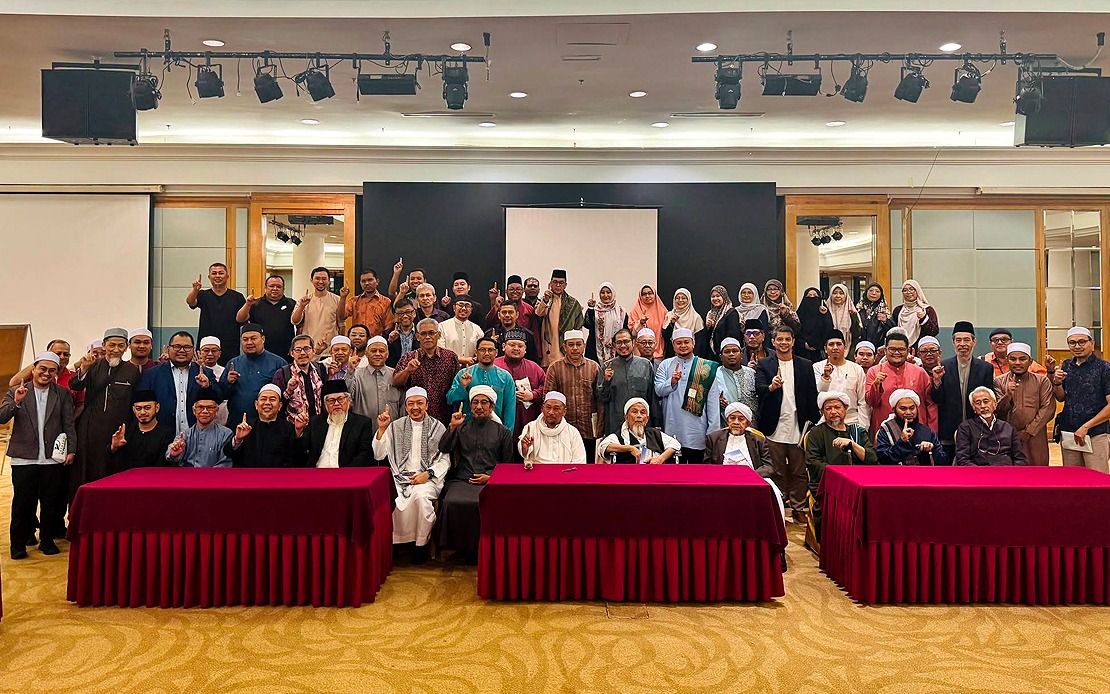
A comprehensive nationwide initiative has been announced to educate the public about the findings of the Royal Commission of Inquiry into Lembaga Tabung Haji, with Islamic scholars and religious figures taking the lead in disseminating the information across Malaysia. The campaign aims to ensure that the public understands how the institution managed deposits belonging to 9.7 million account holders who save with the fund to support their hajj journeys. Datuk Seri Dr Mujahid Yusof Rawa, who previously served as Minister in the Prime Minister's Department handling Religious Affairs, emphasized that this educational drive represents a crucial step in rebuilding public confidence and accountability surrounding one of Malaysia's most significant Islamic financial institutions.
The impetus for this widespread awareness programme emerged from a special conference called Hifz al-Mal, held recently at De Palma Hotel in Ampang, which assembled more than 100 religious scholars and leaders from across the nation. The conference specifically examined the RCI findings and the collective responsibility of protecting the savings entrusted to Tabung Haji by millions of Malaysian Muslims. The gathering brought together an unusually diverse assembly of professionals, creating a multidisciplinary forum where religious perspectives could intersect with technical expertise from accounting, finance, law, and governance sectors.
The breadth of participation in the conference underscores the gravity with which Malaysia's religious establishment is treating the matter. Alongside traditional Islamic scholars and pondok leaders, the gathering included chartered accountants, economic analysts, legal practitioners, and religious educators who could provide informed commentary on the institutional failures that the RCI investigation uncovered. This combination of religious authority and professional credibility is intended to lend weight to the explanations being disseminated to the public, ensuring that discussions of complex financial and governance issues are grounded in both Islamic principles and technical accuracy.
Mujahid articulated the philosophical foundation underlying the initiative by invoking the Islamic principle of Hifz al-Mal, which translates to the protection of wealth. This concept takes on particular significance when applied to Tabung Haji, an institution established specifically to hold and grow the savings of Muslims across Malaysia who aspire to perform the hajj pilgrimage. The principle serves as both a moral imperative and a religious obligation, positioning the safeguarding of depositors' funds as a sacred trust rather than merely a financial responsibility. By framing the issue through this religious lens, the campaign positions public oversight and institutional accountability as duties rooted in Islamic teaching.
The geographical scope of the awareness campaign is deliberately expansive, with plans to utilize mosques, surau, schools, government departments, colleges, universities, and community education platforms as venues for public education. This multi-venue approach recognizes that effective communication requires meeting Malaysians across different institutional contexts where they already gather for learning or worship. Mosques and surau, as spiritual centres, provide natural platforms where religious figures can contextualize the RCI findings within Islamic frameworks. Schools and universities, conversely, offer opportunities to educate younger Malaysians who may become future Tabung Haji depositors and stakeholders.
Mujahid articulated three core objectives guiding this initiative: ensuring that factual information about the RCI findings reaches the public; maintaining and restoring the trust that millions of Malaysians have placed in Tabung Haji; and establishing safeguards to prevent future institutional mismanagement or abuse of depositors' funds. These objectives reflect an understanding that the RCI investigation likely uncovered significant departures from proper governance and stewardship, necessitating not merely transparency but also a proactive effort to reshape public perception and institutional culture surrounding the fund. The campaign thus operates as both an educational and a remedial exercise.
The designation of the Malaysian Ulama Secretariat as the organizing body, in collaboration with the Malaysian Ulama Council's Spiritual Leader Abdul Rahim Abdul Rahman, signals that this is not a government-directed campaign but rather an initiative rooted in Malaysia's Islamic leadership structures. This distinction is important for legitimacy, as it positions the awareness drive as emanating from religious authority rather than political apparatus, potentially rendering the message more persuasive to target audiences who view religious scholars as custodians of Islamic values and protectors of Muslim interests. The involvement of Malaysia's senior ulama lends moral weight to efforts to restore institutional integrity.
For Malaysian depositors, particularly the millions who have entrusted their hajj savings to Tabung Haji, the campaign addresses a profound breach in the social contract surrounding the fund. Many depositors view contributions to Tabung Haji not merely as financial investments but as fulfillment of religious obligation to prepare for one of Islam's five pillars. The discovery that institutional management fell short of expected standards strikes at both the financial and spiritual dimensions of their engagement with the fund. The awareness campaign, therefore, serves a crucial function in helping depositors understand what went wrong and what mechanisms are being put in place to prevent recurrence.
The multilayered approach, combining religious instruction with professional analysis, reflects sophisticated understanding of how institutional trust is built and restored. Technical explanations of accounting irregularities or governance failures, while necessary, may not fully address the emotional and spiritual dimensions of public concern about Tabung Haji. By ensuring that Islamic scholars are explaining the findings alongside accountants and lawyers, the campaign provides both the technical reassurance that proper oversight exists and the spiritual reassurance that Islamic principles of trusteeship and accountability are being honored. This dual approach increases the likelihood that diverse segments of the Malaysian public will find the explanations credible and comprehensive.
The nationwide scope of the initiative also carries implications for Malaysia's broader institutional governance landscape. The scale and nature of the response to the Tabung Haji RCI findings signals that serious institutional failures trigger correspondingly serious corrective responses that engage religious, professional, and community leadership. This may establish a template for how Malaysia addresses institutional reform in other significant bodies where public trust has been compromised. The involvement of Islamic scholars and religious figures in explaining complex institutional matters also reflects a distinctly Malaysian approach to governance reform that integrates religious authority with technical expertise and public education.
For depositors planning their hajj pilgrimages, the campaign's emphasis on restored accountability and future safeguards offers some reassurance, though trust damaged by institutional mismanagement typically requires sustained evidence of genuine reform rather than mere explanatory campaigns. The effectiveness of the initiative will ultimately be measured not by the number of awareness sessions conducted but by whether subsequent actions—institutional restructuring, strengthened oversight, and transparent management practices—consistently demonstrate commitment to the principles being articulated. The awareness campaign thus represents a beginning rather than a conclusion to the process of institutional rehabilitation and public trust restoration.

