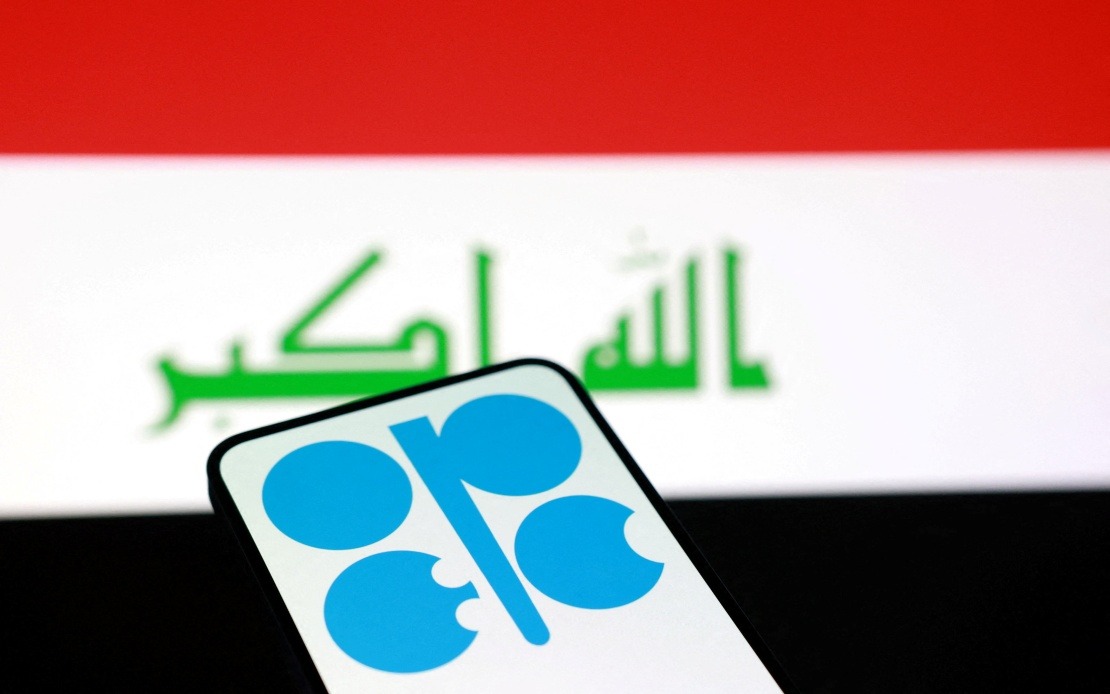
Iraq's Oil Ministry has moved swiftly to quash speculation that Baghdad is considering withdrawal from OPEC, issuing a categorical denial after international media outlets suggested such a prospect could materialize if the country's production quota remains unchanged. The clarification comes in response to reports citing unnamed ministry officials as indicating that Iraq might reconsider its membership should its output allocation not be adjusted upward. By directly contradicting these claims, the ministry has sought to prevent any diplomatic fallout or market uncertainty arising from misinterpretations of Iraq's negotiating stance within the 13-member organization.
The Iraqi government's formal statement emphasizes that neither Prime Minister Mohammed Shia Al-Sudani nor the broader cabinet has entertained the notion of OPEC departure. Instead, Baghdad's position centers on a more nuanced demand: that the cartel undertake a comprehensive reassessment of production ceilings to reflect the genuine output capabilities that each member state can physically sustain. This distinction matters considerably, as it reframes Iraq's grievance from existential dissatisfaction to a technical argument rooted in capacity economics rather than political rupture.
Iraq's Oil Ministry spokesman Salim Al-Rikabi, while confirming the country harbors no imminent intention of leaving OPEC, nevertheless underscored Baghdad's commitment to ramping up oil production in accordance with its inherent capabilities and economic requirements. This dual messaging—reassurance about continued membership paired with determination to increase output—reflects the delicate balancing act Iraq must perform within OPEC's consensus-driven decision-making architecture. The spokesman's comments suggest that Iraq views its current quota allocation as fundamentally misaligned with what the country can and should produce, a grievance that threatens to become a persistent friction point within the organization.
The broader context for Iraq's frustration lies in the historical circumstances that have constrained its productive capacity for decades. Over four decades of regional warfare, international sanctions regimes, and targeted infrastructure destruction have left Iraq's petroleum sector operating well below its theoretical potential. The Oil Ministry's statement explicitly references these extenuating factors—including terrorist sabotage targeting oil facilities—as justification for why Iraq should not be held to the same quota standards as countries without comparable developmental impediments. This argument carries weight among OPEC members sympathetic to Iraq's reconstruction agenda, though it also complicates the cartel's collective decision-making by introducing equity considerations alongside market management.
OPEC and its allied producers, a coalition known as OPEC+, have already begun responding to Iraq's specific concerns by initiating an independent technical assessment of maximum sustainable production capacity across member states. This review process, being conducted in partnership with international consulting firms and featuring active Iraqi participation, is designed to generate objective, defensible metrics for what each country can realistically produce over the medium term. The results of this exercise are expected to inform the cartel's production targets extending through 2027, potentially providing Iraq with a data-driven platform from which to argue for quota increases backed by engineering and geological evidence rather than political assertion.
Beyond the immediate capacity review, OPEC+ has committed to a phased restoration of voluntary production cuts that member states implemented during the pandemic downturn and its aftermath. The organization is gradually unwinding these reductions, with full restoration of cut production scheduled for the coming months. This trajectory creates an additional opportunity for Iraq, as the general elevation of group output ceilings could provide cover for raising Iraq's specific allocation without appearing to grant Baghdad special treatment that might invite similar demands from other members. The timing of Iraq's push therefore aligns strategically with the broader dynamics of OPEC+ supply management.
Iraq's historical significance within OPEC cannot be overstated. The country once ranked as the cartel's second-largest producer, a position it has been unable to reclaim despite possessing some of the world's most abundant proven oil reserves. This gap between potential and actuality has become a source of deep frustration for Iraqi policymakers, particularly given the nation's rebuilding requirements following decades of conflict and the international interventions that accompanied them. The Oil Ministry's statement explicitly invokes this historical position as a benchmark toward which Iraq should be working, implying that restoring Iraq to its former stature would be not merely beneficial for Baghdad but would also rebalance OPEC's internal hierarchy in ways potentially favorable to the organization's overall strategic positioning.
The emphasis on Iraq's "special situation" in the ministry's communication signals that Baghdad is seeking a carve-out or at minimum an exceptional consideration within OPEC's technical frameworks. By characterizing Iraq's circumstances as distinct from those of other members—stemming from warfare, sanctions, and terrorism rather than mere economic choice—the ministry aims to establish a moral and practical case for differential treatment. This framing has already resonated to some degree with OPEC partners, as evidenced by what the ministry describes as "high levels of understanding" regarding Iraq's position among the broader membership.
From a regional perspective, Iraq's production trajectory carries significance beyond OPEC politics. Higher Iraqi output would contribute to global energy markets at a moment when geopolitical tensions and supply chain vulnerabilities continue to influence oil price formations. Southeast Asian net importers such as Malaysia, Indonesia, Thailand, and Vietnam remain sensitive to crude availability and pricing, making Iraq's successful navigation of OPEC quota negotiations a matter of indirect concern to the region. Increased Iraqi supply could moderate prices and enhance energy security for import-dependent Asian economies, though such benefits depend on Iraq successfully translating its quota assertions into actual production increases.
The technical mechanisms through which Iraq's demands will be channeled—consensus-based negotiations within the OPEC+ framework—offer both opportunities and constraints for Baghdad. OPEC's decision-making culture prizes unanimity, which means Iraq cannot simply extract concessions through threats or leverage; instead, it must persuade other members that increasing its quota serves collective interests or at minimum does not undermine group cohesion. The independent capacity review provides a useful vehicle for this persuasion, as scientific findings can carry greater weight than political arguments in shifting the calculus of skeptical members.
The Iraqi government's careful denial of withdrawal intentions, coupled with its sustained emphasis on quota reassessment, suggests a sophisticated understanding of OPEC's negotiating dynamics and a commitment to achieving objectives through engagement rather than rupture. However, this approach depends on concrete progress in the capacity review and genuine movement toward higher allocations. Should Iraq perceive that its concerns are being indefinitely deferred or dismissed, the temperature of Baghdad's rhetoric may intensify, potentially reviving the very withdrawal scenarios that the ministry has just denied. The coming months will reveal whether OPEC's technical processes and solidarity toward Iraq's reconstruction needs can accommodate Baghdad's legitimate production ambitions.

