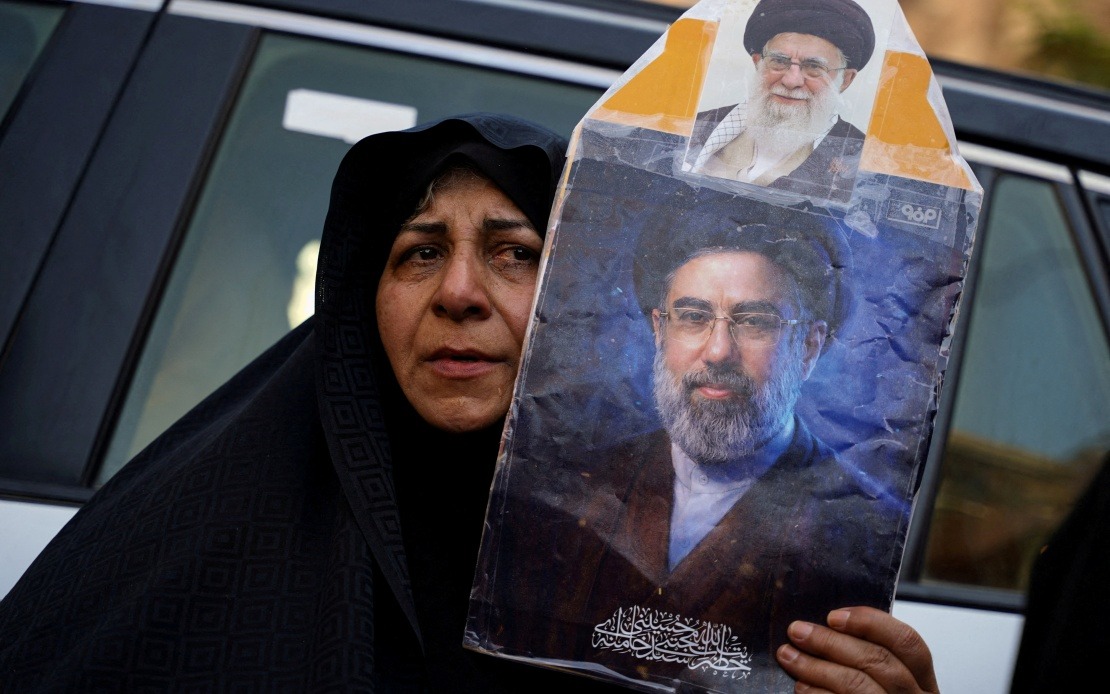
Iran's Supreme Leader Mojtaba Khamenei has launched a scathing attack on US President Donald Trump's credibility, asserting that American violations of a recently concluded peace memorandum demonstrate the worthlessness of the president's commitments. Speaking through Iranian state media on Saturday, Khamenei used particularly strong language to characterise the US as an inherently dishonest actor, claiming that repeated breaches of the accord represent yet another confirmation of Washington's pattern of deception and unreliability on the international stage.
The peace memorandum in question was signed by Iran's President Masoud Pezeshkian and Trump on June 18, establishing a framework under which both nations were to undertake detailed negotiations within a 60-day window aimed at reaching a comprehensive final settlement. The agreement was initially portrayed as a significant diplomatic breakthrough in one of the world's most volatile geopolitical relationships, offering a potential pathway toward de-escalation after years of confrontation. However, the accord has proven fragile, with fundamental disagreements emerging almost immediately about implementation and compliance.
Khamenei's rhetoric reflects deep frustration within Tehran's leadership circles over what Iranian officials characterise as systematic American non-compliance with the memorandum's terms. Rather than viewing these violations as isolated incidents, the Iranian Supreme Leader has positioned them within a broader historical narrative of American untrustworthiness, invoking Iran's collective memory of past international agreements that he claims Washington has repeatedly abandoned or violated. This framing is significant for regional audiences, as it reinforces a longstanding Iranian narrative about Western duplicity that resonates across segments of the Iranian population and carries implications for broader Middle Eastern perceptions of American diplomatic credibility.
On the same day as Khamenei's remarks, Iran's Deputy Foreign Minister for Legal and International Affairs Kazem Gharibabadi formally announced that Tehran has ceased fulfilling its own obligations under the memorandum, citing Washington's alleged breaches as justification. This represents a critical escalation, transforming what might have been dismissed as rhetorical posturing into concrete policy action with tangible consequences for the agreement's viability. By suspending its compliance, Iran has effectively signalled that it views the accord as effectively nullified, at least temporarily, and has shifted responsibility for any future deterioration firmly onto the American side.
The deterioration of the June agreement occurs against a backdrop of intensifying military operations in the Middle East. The United States has conducted multiple rounds of strikes targeting Iranian positions and interests across the region in recent days, demonstrating that despite the nominal peace framework, military escalation has continued unabated. These strikes represent a direct challenge to the logic of the memorandum, which presumed a mutual commitment to reducing hostilities and creating space for diplomatic resolution. The continued American military operations effectively undermine the agreement's foundational premise that both parties are genuinely committed to avoiding military confrontation.
Iran has responded symmetrically to American strikes by launching retaliatory attacks against US military bases and facilities throughout the region. This tit-for-tat pattern of military exchanges, occurring while a peace agreement nominally remains in effect, illustrates the profound gulf between the theoretical commitments enshrined in the June memorandum and the actual behaviour of both parties on the ground. For regional observers, particularly in Southeast Asia where Iran maintains significant economic and political interests, this pattern raises serious questions about whether American or Iranian diplomatic commitments can be relied upon in any circumstances.
Khamenei's warning that Iran will deliver "unforgettable lessons" should the US persist in what he terms warmongering rhetoric represents a deliberate escalation of threats. The language employed is deliberately vague, allowing for multiple interpretations ranging from further retaliatory strikes to asymmetric operations, cyber attacks, or actions through proxy forces throughout the Middle East and beyond. This ambiguity is strategic, maintaining maximum deterrent effect while preserving Iranian freedom of action in how and when any response might materialise.
From a broader international perspective, the collapse of the Iran-US peace memorandum carries implications that extend well beyond the bilateral relationship. For countries throughout Asia-Pacific, including Malaysia, the spectacle of a major power agreement disintegrating within weeks of signature raises troubling questions about the reliability of American security guarantees and diplomatic commitments. Nations contemplating alignment with Washington on various security and economic matters must now contend with evidence that even carefully negotiated agreements can be abandoned or violated without substantial consequences.
The Iranian government's framing of American violations as confirmation of a deeper pattern of dishonesty rather than as isolated lapses represents a conscious effort to delegitimise any future US diplomatic overtures. By characterising Trump's signature as inherently valueless, Khamenei is attempting to poison the well for future negotiations, suggesting that any agreements reached with American leadership would be similarly unreliable. This rhetorical strategy aims to limit the appeal of future negotiations within Iran's domestic political sphere, where hardliners opposed to any accommodation with the US can now point to the June memorandum's rapid collapse as vindication of their scepticism.
The regional security implications of this breakdown are considerable. With the 60-day negotiation window now effectively closed and both parties accusing the other of fundamental bad faith, the pathway toward comprehensive resolution appears blocked, at least in the near term. The agreement's failure suggests that neither side possesses sufficient political capital or strategic incentive to maintain the difficult compromises required for a sustainable accord. Instead, the region faces a return to the pattern of military escalation interspersed with periodic diplomatic initiatives that characterised the period before the June memorandum.
For Southeast Asian nations monitoring developments in the Middle East, the Iran-US peace agreement's rapid deterioration serves as a cautionary reminder about the fragility of geopolitical settlements when underlying strategic interests remain in conflict. The memorandum's collapse demonstrates that diplomatic agreements, however formally structured and internationally witnessed, cannot substitute for genuine convergence of interests or meaningful power-sharing arrangements that address the fundamental security concerns of all parties involved.

