The escalating military confrontation between the United States and Iran took a sharper rhetorical turn Thursday when Iran's Parliament Speaker Mohammad Bagher Qalibaf declared that control over one of the world's most critical shipping lanes remains non-negotiable. His forceful statement came in response to fresh American military operations targeting Iranian positions, signalling how the crisis in the Gulf region continues to intensify amid deepening tensions over maritime security and regional dominance.
Qalibaf's warning, posted on social media platform X, directly challenged what he characterized as futile American attempts to dictate terms through military pressure. "The US has yet to learn that bullying and breaking promises no longer come without cost," the Iranian official wrote, framing the dispute as one where coercion and intimidation would prove counterproductive. The rhetoric reflects a broader Iranian position that Washington's approach lacks legitimacy and will only breed resistance rather than compliance.
The immediate trigger for Qalibaf's statements was a new round of American airstrikes that struck Iranian facilities late Wednesday across southern and southeastern regions of the country. These strikes represented an intensification of military activity, with the US Central Command subsequently confirming that American forces had deliberately targeted Iranian capabilities specifically aimed at threatening maritime operations through the Strait of Hormuz. The coordination between military action and political messaging from both sides underscores how thoroughly military and diplomatic dimensions have become intertwined in this confrontation.
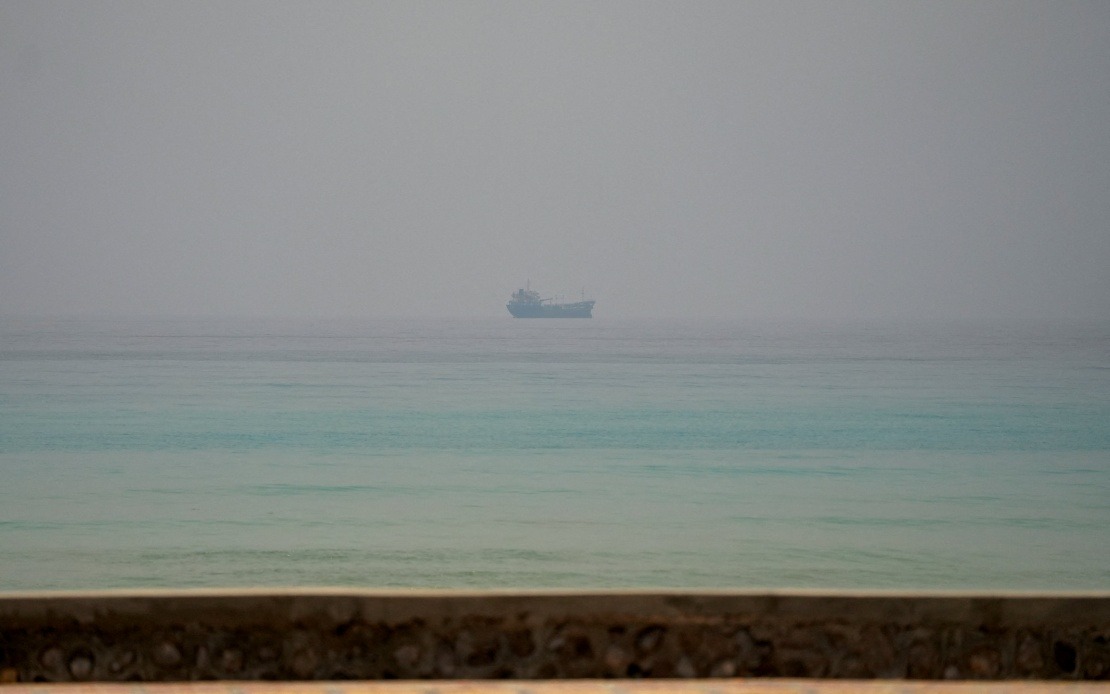
The Strait of Hormuz holds enormous significance for regional and global commerce, serving as a passage through which roughly one-fifth of the world's oil supplies transit annually. Control over this critical chokepoint grants Tehran considerable leverage in international affairs, a reality that informs both Iranian assertiveness and American determination to maintain freedom of navigation. For Malaysia and other Southeast Asian nations heavily dependent on Gulf oil and stable maritime trade routes, the stakes of this confrontation extend far beyond Iranian-American relations, potentially affecting energy security and shipping costs across the region.
Qalibaf's declaration that the waterway will open "only under Iranian arrangements" represents a direct assertion of Tehran's sovereign rights within its territorial waters and strategic sphere. The statement carries implicit warning that any future American military actions will prompt Iranian counter-measures, a theme reinforced by his terse assertion that "if you strike, you will be struck." This promise of reciprocal response suggests Iran views itself as engaged in an escalatory cycle where each American action triggers a proportional Iranian reaction, creating dangerous momentum toward broader conflict.
The US Central Command's framing of its operations as defensive—aimed at "degrading" Iranian ability to threaten maritime freedom—reflects Washington's competing objective of maintaining access and protecting shipping interests. This characterization highlights the fundamental dispute: while the US presents its military operations as preserving international norms, Iran views them as threats to its sovereignty and security. The gap between these narratives shows no sign of narrowing, particularly as each side responds to the other's actions with its own escalatory measures.
For Southeast Asian observers, particularly Malaysia with its significant maritime interests and regional connections to the Persian Gulf, the deteriorating security situation poses practical challenges. Any disruption to shipping through the Strait of Hormuz would immediately raise energy costs and create supply chain disruptions felt across global markets. Malaysian traders, refiners, and consumers have direct financial exposure to whatever unfolds in the coming weeks, making the outcome of this Iranian-American standoff a matter of genuine economic concern.
The pattern established by these recent exchanges suggests neither side has discovered effective off-ramps from the current trajectory. Iranian declarations of non-negotiability combined with American military assertions of operational freedom create a volatile dynamic where miscalculation becomes increasingly probable. Past regional conflicts have demonstrated how rhetoric can harden into military action, particularly when nationalist pride becomes entangled with strategic interests and leaders face domestic political pressure to demonstrate strength.
Qalibaf's prominence as Parliament Speaker means his statements carry weight within Iranian governance structures, though it remains uncertain whether they reflect Supreme Leader guidance or represent more hardline elements within Tehran's factional politics. Either way, his public commitment to Iranian control over the Strait signals that this remains a red-line issue unlikely to yield to American pressure. The challenge facing international stakeholders, including ASEAN nations with interests in maritime stability, lies in identifying mechanisms to de-escalate tensions that have already produced military strikes and bellicose rhetoric on both sides.

