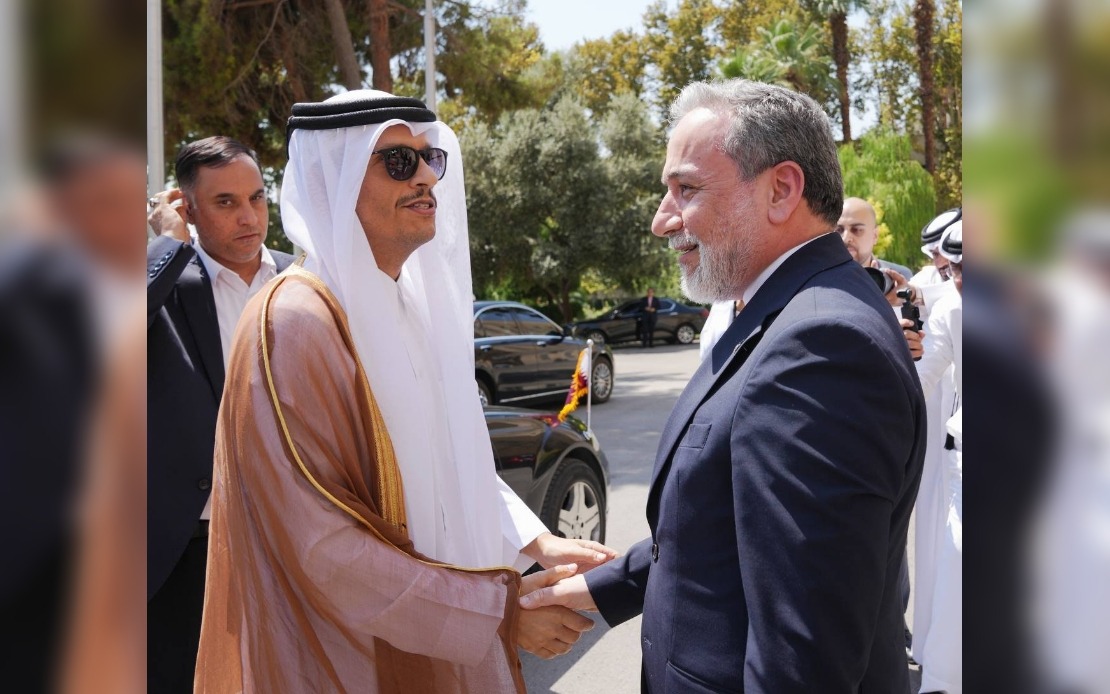
Iran's foreign minister has indicated fresh willingness to restore diplomatic relations with the United States, offering cautious optimism about the path forward despite years of tension. Abbas Araghchi made the statement following high-level discussions in Tehran with Qatar's prime minister and foreign minister, underscoring Doha's continuing role as a key intermediary between Washington and Tehran. The remarks, delivered via social media, represent the latest signal from Iran's newly inaugurated administration that engagement remains a possibility if certain conditions are met.
Araghchi's characterization of renewed diplomacy as "not impossible" marks a notably softer rhetorical posture than Iran has maintained in recent years. The Iranian foreign minister emphasized that successful dialogue hinges fundamentally on American understanding of a singular principle: that coercive pressure tactics prove counterproductive in negotiations. This framing suggests Tehran sees the onus on Washington to shift its negotiating approach and demonstrate genuine commitment to finding common ground, rather than pursuing confrontational policies.
The specific preconditions Araghchi outlined provide insight into Iran's negotiating position. He called for the United States to build confidence through respectful engagement, acknowledge Iran's legitimate regional interests and rights, and honor previous agreements—an apparent reference to the 2015 Joint Comprehensive Plan of Action (JCPOA), from which the Trump administration withdrew in 2018. These demands reflect Tehran's persistent grievance that Washington abandoned a multilateral nuclear accord and subsequently intensified economic sanctions, creating the current impasse.
Qatar's diplomatic mission to Iran underscores the tiny Persian Gulf state's outsized role in regional conflict resolution. Sheikh Mohammed bin Abdulrahman bin Jassim Al Thani's visit to Tehran marked his first trip since escalating hostilities erupted in late February, when the United States and Israel launched military strikes against Iranian targets. The Qatari foreign minister's schedule encompassed meetings with Iran's President Masoud Pezeshkian, senior security officials including Parliament Speaker Mohammad Bagher Qalibaf and Security Council Secretary Mohsen Rezaei, and Araghchi himself—indicating the comprehensive nature of mediation efforts.
The discussions encompassed several practical initiatives designed to reduce immediate tensions and create space for political dialogue. Negotiators explored conditions necessary for restarting formal negotiations between the two powers, examined proposals for establishing a temporary joint navigational corridor through the strategically vital Strait of Hormuz—a chokepoint through which approximately one-third of global maritime oil trade passes—and discussed coordinated mine-clearing operations in the waterway. These technical proposals suggest both sides recognize the mutual benefit of stabilizing the region's most economically critical maritime zone.
Qatar's mediation efforts reflect Doha's strategic interests in regional stability and its long-standing diplomatic relationships with both Iran and the United States. As a major liquefied natural gas exporter and host of significant American military installations, Qatar occupies a unique position enabling it to communicate with both parties. The emirate has invested considerable diplomatic capital in preventing further escalation, recognizing that sustained Iran-US hostility threatens regional economic activity and creates risks of unintended military miscalculation.
The broader context involves Iran's recent leadership transition under President Pezeshkian, who campaigned on a platform emphasizing international engagement and reducing economic isolation. This represents a potential shift from the more confrontational stance maintained under his predecessor, creating a window of opportunity for diplomacy. Pezeshkian's administration has signaled willingness to explore negotiations on issues beyond the nuclear file, including conventional military matters and regional security architectures.
Araghchi's emphasis on trust-building and respectful dialogue reflects deeper tensions rooted in decades of mutual mistrust. Both nations have experienced broken agreements and perceived betrayals—from Iran's perspective, the JCPOA withdrawal represented bad faith; from Washington's standpoint, Iran's ballistic missile development and regional proxy activities violated the agreement's spirit. Rebuilding confidence sufficient to negotiate lasting arrangements requires both sides to acknowledge these grievances and demonstrate commitment to sustained engagement.
For Malaysia and Southeast Asian observers, the Iran-US relationship carries significant implications. Tensions between these powers directly affect global energy markets and maritime security in adjacent waters, impacting regional economies dependent on stable oil prices and unrestricted shipping routes. Escalation risks disrupting supply chains and increasing commodity costs. Additionally, regional powers including Malaysia monitor Iran-US dynamics carefully when calibrating their own foreign policies and security partnerships, particularly regarding relationships with the United States and broader Middle Eastern stability.
The challenge ahead remains substantial despite Araghchi's qualified optimism. Historical experience suggests that rhetorical softening frequently precedes disappointment when fundamental strategic interests clash. Concrete progress would require the incoming American administration to signal reciprocal interest in negotiations and demonstrate willingness to address Iranian concerns regarding sanctions relief and security guarantees. The window for diplomatic breakthrough may narrow quickly if either side perceives the other as negotiating insincerely or if external events trigger renewed military confrontation.
Qatar's sustained mediation efforts suggest international recognition that military escalation between Iran and the United States would prove catastrophic for regional stability and global economic order. The emirate's persistence in shuttle diplomacy, despite previous setbacks, indicates belief that diplomatic channels remain viable. Whether this latest initiative produces substantive negotiations or merely extends temporary tension management remains uncertain, but Araghchi's statements indicate at minimum that Tehran has not closed the diplomatic door entirely.

