Iran's leadership has firmly rejected the prospect of peace talks with the United States unless Washington agrees to pre-negotiation conditions, marking a significant hardening of positions in recent days. The Iranian stance directly contradicts Trump's public statements expressing willingness to continue dialogue, even as the American president simultaneously issued threats of overwhelming military retaliation. This contradiction reflects the deepening impasse between the two nations, with neither side showing signs of compromise on fundamental issues that have long divided them.
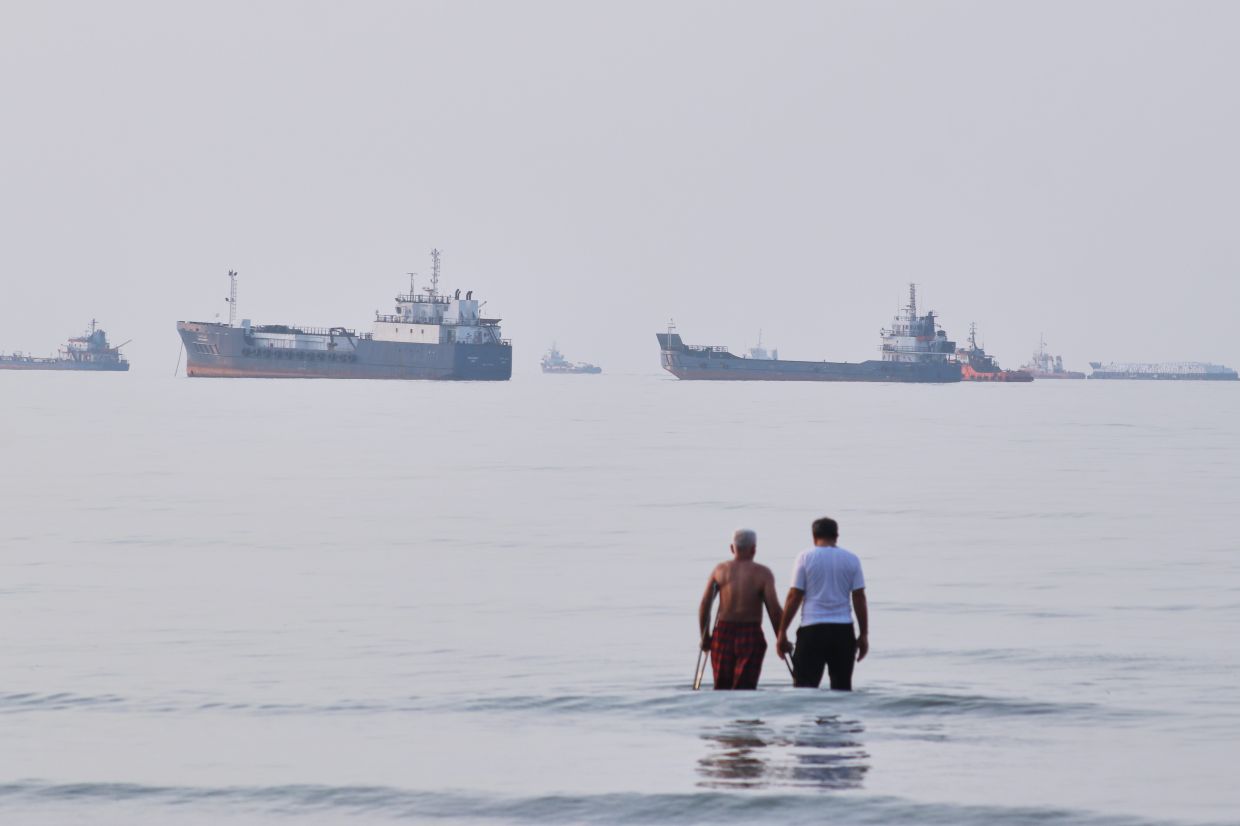
The Iranian government, according to semi-official sources, has demanded that the United States implement what Tehran describes as previously agreed-upon understandings before any formal talks can resume. These conditions centre on establishing clear international protocols for maritime traffic through the Strait of Hormuz, one of the world's most strategically important waterways through which approximately one-third of global maritime oil trade transits annually. For a nation whose economy depends heavily on energy exports, control over and access to this chokepoint remains non-negotiable, making it a core element of any diplomatic settlement.
Trump's weekend threats added volatile rhetoric to an already precarious situation. In a social media post, he warned of unleashing "1000 Missiles" on Iran should the country pursue any assassination attempt against him. The president's statement referenced intelligence, reportedly shared by Israel, suggesting Tehran had developed plans to kill the American leader. These communications came in the context of calls for Trump's death that emerged during ceremonies mourning Ayatollah Ali Khamenei, the supreme leader who was killed in late February during escalating hostilities between Iran and the US-Israeli alliance.
The immediate trigger for current tensions involved the United States demanding that Iran provide public guarantees that all Hormuz shipping lanes remain open and accessible to civilian vessels without threat of attack. Senior Trump administration officials, speaking anonymously to reporters, indicated that failure to provide such assurances would result in serious consequences for Iran. This demand essentially seeks to constrain Iran's ability to use maritime interdiction as a bargaining tool, which Tehran views as a legitimate response to what it considers American economic warfare through oil sanctions.
The breakdown in the nascent ceasefire that had been agreed upon in mid-June represents a major setback for regional stability. Recent days witnessed multiple rounds of tit-for-tat military strikes, with American aircraft targeting Iranian positions while Tehran responded with attacks on US military installations throughout the region. These exchanges drove global oil prices higher, demonstrating how fragile the current situation remains and how quickly any further escalation could reverberate through global energy markets. For Malaysia and other Southeast Asian nations dependent on stable oil supplies and predictable energy pricing, continued deterioration in the Iran-US situation poses genuine economic risks.
A particularly significant factor in the current crisis has been the Trump administration's decision to revoke a waiver that had previously allowed Iran to sell oil on international markets. This Treasury action effectively reinstates comprehensive sanctions on Iranian energy exports, representing a dramatic economic blow to an already-pressured Iranian economy. The combination of military tensions and heightened economic restrictions has created what Iranian officials view as an untenable situation, removing incentives for restraint and pushing the country toward more aggressive posturing.
Despite the inflammatory rhetoric and military exchanges, American officials have indicated that technical-level discussions with Iran are expected to continue. This suggests that below the level of political grandstanding, some communication channels remain open. Iranian Foreign Minister Abbas Araghchi's travel to Oman on Saturday for discussions about the future of Hormuz indicates Tehran's recognition that some form of dialogue remains necessary, even as the country's leadership maintains a defiant public posture.
The succession question within Iran's leadership has added an element of uncertainty to current negotiations. Mojtaba Khamenei, the son of the late supreme leader and his designated successor, called for revenge for his father's death in a Saturday social media post. Notably, the younger Khamenei has not made public appearances or video statements since assuming his position, fuelling international speculation about the extent of injuries he sustained in the same attack that killed his father. Iranian officials have acknowledged that Mojtaba suffered injuries but insist he remains actively involved in decision-making during the ongoing conflict.
The absence of visual confirmation of Khamenei's fitness for command raises questions about operational continuity and decision-making authority within Iran's power structure. During the multi-day funeral ceremonies that drew massive crowds throughout Iran and neighbouring Iraq, discussions about who truly controls major policy decisions would have inevitably intensified. This internal uncertainty may explain why Iranian negotiating positions appear resistant to flexibility, as any leadership perceived as making concessions could face serious domestic political consequences.
For regional observers including Malaysia, this escalating crisis presents a concerning reminder of how quickly diplomatic efforts can collapse into military confrontation. The Strait of Hormuz issue directly affects Southeast Asian nations through energy supplies and shipping costs. Malaysia's shipping industry and energy-dependent economy could face disruptions if tensions continue spiralling. The Malaysian government and regional policymakers will likely need to monitor developments closely and potentially coordinate responses through ASEAN if the situation deteriorates further.
The fundamental disagreement over preconditions for negotiation appears difficult to bridge given current political pressures in both capitals. Trump faces domestic demands to project strength against Iran, while Iranian leaders must satisfy constituencies demanding vengeance for Khamenei's death. Neither side appears positioned to make the kind of diplomatic concessions that might de-escalate tensions. Unless external mediators or changed circumstances create new openings, the trajectory suggests further military incidents and economic pain for Iran remain likely in coming weeks.

