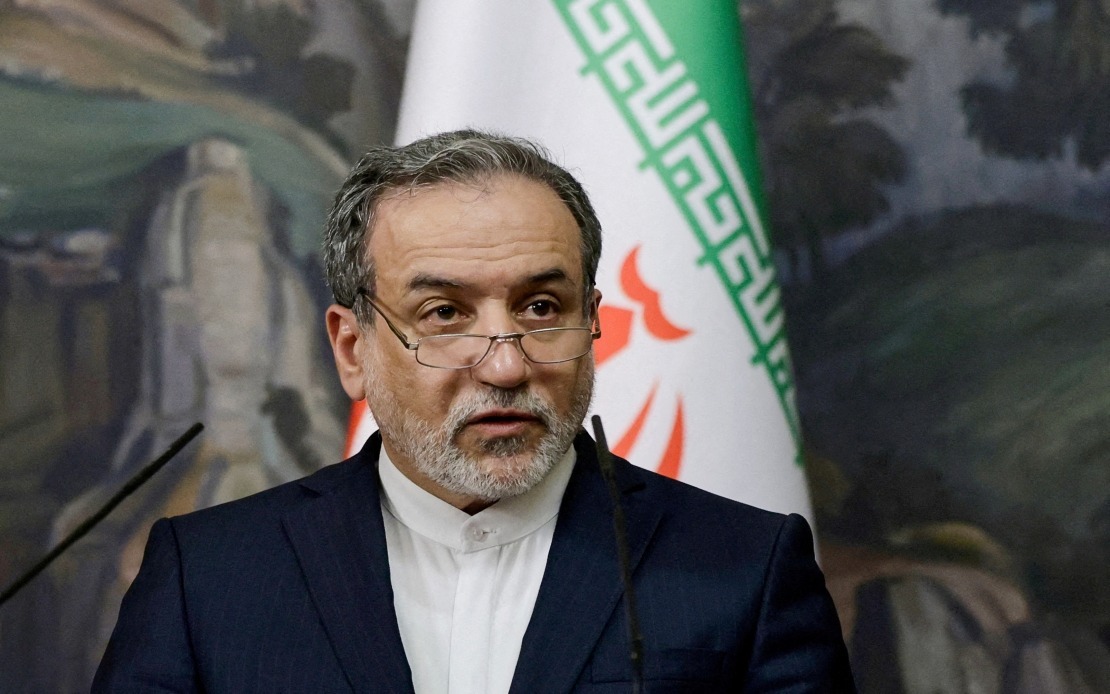
Iran remains undecided on whether to resume negotiations with the United States, even as diplomatic channels continue operating through intermediaries, Foreign Minister Abbas Araghchi said in Istanbul on August 15. The clarification underscores the delicate distinction between behind-the-scenes diplomatic contacts and formal talks, a nuance that carries significant weight in regional geopolitics and the broader Middle Eastern stability equation that affects global oil markets and shipping security.
Araghchi's statement directly addressed mounting speculation that Iran was preparing to return to the negotiating table. He insisted that ongoing message exchanges facilitated by Qatar and Pakistan should not be misconstrued as a resumption of formal discussions. This careful parsing of language reflects the complex domestic political pressures both nations face—Iran grappling with hardline factions opposed to engagement, while the United States manages its own strategic calculations in the volatile Gulf region. For Malaysia and other Southeast Asian economies dependent on Middle Eastern energy supplies and Gulf shipping routes, such diplomatic ambiguity raises questions about medium-term regional security.
At the centre of the disagreement lies the Islamabad memorandum, a framework peace agreement brokered by Pakistan in June that Araghchi described as establishing an end to military conflict rather than a temporary ceasefire. This terminological distinction matters considerably: if the agreement constituted merely a ceasefire lasting 60 days, then extension negotiations would logically follow. However, Iran's interpretation positions the memorandum as a permanent cessation of hostilities, with the 60-day window designated solely for achieving a comprehensive final settlement. Araghchi blamed Washington for violating the terms and resuming fighting, rendering the ceasefire extension debate moot in Tehran's view.
The Foreign Minister asserted that the United States breached its commitments under the memorandum, a charge that fundamentally undermines Iranian willingness to recommit to dialogue. This accusation, whether accurately reflective of American actions or not, demonstrates how trust deficits accumulate in protracted diplomatic standoffs. When each side interprets the other's conduct as bad faith, even technical discussions become fraught with suspicion. The implications for regional powers like Malaysia, which maintain careful balancing acts between Western and Middle Eastern partnerships, illustrate why seemingly distant conflicts demand attention.
Crucially, Araghchi separated Iran's entirely distinct negotiations with Oman from any potential discussions with the United States. These Omani talks focus on technical maritime matters—specifically designing new shipping corridors through the Strait of Hormuz to replace routes rendered unusable by recent instability. Both Iranian experts and military representatives participate alongside Omani counterparts in designing what Araghchi indicated would eventually transform from a temporary solution into a permanent arrangement. This granular focus on shipping logistics represents the kind of compartmentalised problem-solving that sometimes survives even when higher-level political negotiations stall.
The Strait of Hormuz remains one of global maritime commerce's critical chokepoints, with roughly one-third of all seaborne traded oil transiting these waters annually. Southeast Asian nations, including Malaysia, depend substantially on uninterrupted passage through this corridor. Any closure or significant disruption ripples through regional economies immediately. Araghchi's description of designing alternate shipping lanes suggests Iranian acknowledgement that complete strait closure would prove unsustainable and counterproductive even to their interests, indicating some pragmatic recognition of mutual economic interdependence.
However, the Foreign Minister made explicit that determining whether the Strait of Hormuz reopens fully involves preconditions extending far beyond mere shipping lane designation. He stated that additional conditions requiring American compliance must be met before Iran agrees to restore normal maritime traffic flow. This conditionality underscores that the technical negotiations with Oman represent merely one component of a broader political settlement requiring resolution of fundamental disputes between Washington and Tehran. The reopening question thus remains hostage to progress on larger geopolitical issues.
The Iranian position reflects a carefully calibrated strategy of maintaining diplomatic channels while preserving maximum negotiating leverage. By refusing to formally resume talks while permitting mediators to shuttle messages, Iran signals neither complete intransigence nor genuine readiness for comprehensive engagement. This middle ground provides political cover domestically—hardliners cannot claim leadership capitulated to American pressure, while pragmatists can point to continued international dialogue. Yet it also preserves the possibility of rapid escalation if circumstances change, leaving regional observers in uncertainty.
For Malaysian policymakers and business leaders, this Iranian ambivalence creates planning difficulties. Energy importers cannot confidently project Gulf supply stability when high-ranking Iranian officials simultaneously claim both commitment to shipping security and conditional reopening of critical waterways. Investors in trade-dependent sectors face persistent uncertainty about logistics costs and insurance premiums for vessels traversing contested waters. The absence of a definitive diplomatic breakthrough prolongs this precarious equilibrium where technical discussions proceed alongside political gridlock.
Araghchi's insistence that no final decision exists regarding American negotiations also signals that Iranian leadership itself may remain divided internally. Foreign ministries typically cannot make such momentous decisions unilaterally in systems with distributed power, and the careful language suggesting an ongoing deliberative process hints at competing viewpoints within Tehran's hierarchy. This internal Iranian debate directly influences regional stability calculations that extend well beyond the Gulf to affect Malaysian and broader Southeast Asian economic security and geopolitical alignment strategies.

