Tehran has opened a new front in its diplomatic confrontation with Gulf neighbours Qatar and Kuwait, demanding immediate access to investigate the disappearance of military personnel it says are being unlawfully detained. Mohammad Baqerzadeh, commander of the Committee for the Search for Missing Persons within Iran's Armed Forces General Staff, has formally requested that Qatar permit an Iranian fact-finding delegation to enter the country and conduct an independent inquiry. The assertion represents a significant escalation in what has become an increasingly contentious dispute over the circumstances surrounding at least five missing or captured Iranians, with potential implications for regional stability and Gulf cooperation frameworks.
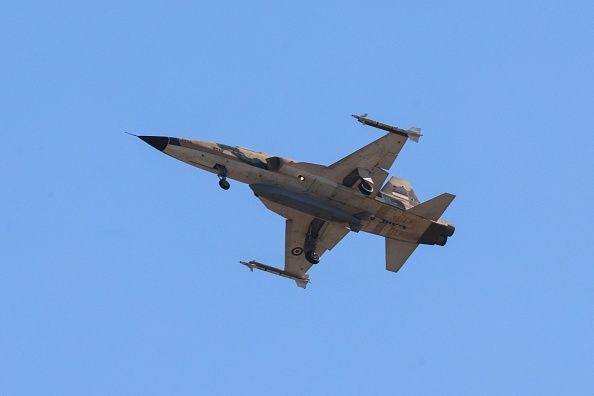
The immediate flashpoint centres on what Tehran characterises as the unlawful detention of Iranian Air Force pilots following an incident in March when Iranian military aircraft allegedly infringed Qatari airspace. According to Qatar's official account, its search and rescue personnel located the remains of one pilot after the aircraft failed to respond to radio communications and subsequently crashed. Doha maintains it has acted with transparency and diplomatic propriety, offering to brief Iranian representatives on the circumstances and extending an invitation for Tehran to examine the details of its search operations. However, the Qatari gesture remains unreciprocated, with Iranian officials dismissing these overtures as insufficient and demanding instead that their own independent team be permitted to conduct a comprehensive on-the-ground investigation.
The core disagreement reflects a deeper mistrust between the neighbouring states that extends beyond the immediate incident. Baqerzadeh's statements, reported through the semi-official Tasnim news agency, suggest that the Iranian military establishment views Qatar's position with considerable scepticism, alleging a pattern of deliberate obstruction stretching across multiple months. By framing the issue as a matter requiring urgent international attention, Iran appears to be attempting to internationalise what might otherwise remain a bilateral diplomatic matter, potentially seeking to create pressure through multilateral channels rather than direct state-to-state negotiation.
The situation grows more complex when examining the parallel dispute involving Kuwait. Iran asserts that four military personnel affiliated with the Islamic Revolutionary Guards Corps remain unjustly imprisoned in Kuwaiti custody. Tehran's narrative presents these individuals as maritime patrol operators whose vessel inadvertently crossed into Kuwaiti waters due to navigational malfunction during May operations. Kuwait's characterisation differs markedly, with Kuwaiti authorities maintaining that the four are suspected of planning hostile operations against the emirate. This fundamental disagreement over intent and circumstances creates substantial obstacles to resolution, as each state operates from a vastly different assessment of the alleged threat posed by the detained individuals.
The invocation of the International Committee of the Red Cross signals Iran's calculation that third-party mediation might prove more effective than bilateral channels. The ICRC, as the principal neutral humanitarian organisation authorised to monitor detention conditions and facilitate communication between detaining authorities and prisoners' families, represents a pathway toward verification and international oversight. By calling for ICRC involvement, Baqerzadeh is effectively attempting to reframe the dispute from a purely political one into a humanitarian matter subject to established international protocols, thereby potentially constraining the options available to Qatar and Kuwait.
For Malaysian policymakers and regional observers, these developments warrant close attention given the interconnected nature of Gulf security architecture and the potential spillover effects on broader Southeast Asian interests. The disputes highlight the fragility of diplomatic relationships among Gulf states despite their shared regional position, and demonstrate how military incidents can rapidly escalate into protracted standoffs when fundamental trust mechanisms are absent. The reluctance of Qatar and Kuwait to permit independent Iranian investigations, coupled with Tehran's refusal to accept their official accounts, suggests that resolution through conventional bilateral engagement faces significant hurdles.
The broader context involves Iran's persistent concerns about the loyalty and allegiance of its military personnel operating in proximity to wealthy neighbouring states known to harbour ambitions of countering Iranian regional influence. From Iran's perspective, permitting Qatari and Kuwaiti explanations to stand unchallenged without independent verification risks appearing weak domestically and politically vulnerable to opposition claims of governmental negligence. Conversely, Qatar and Kuwait demonstrate reluctance to facilitate investigations that might provide Tehran with intelligence regarding their search capabilities or defence coordination mechanisms.
The incident also illuminates the limitations of existing Gulf Cooperation Council frameworks in managing disagreements between member states and non-member Iran. While the GCC ostensibly provides institutional mechanisms for dialogue, its relevance to Iran-GCC disputes remains marginal, leaving states to pursue bilateral negotiations or attempt to mobilise international organisations. This absence of effective regional dispute resolution mechanisms means that incidents with military dimensions can become entrenched without clear pathways toward resolution.
Moving forward, the probability of straightforward resolution appears limited without significant concessions from either side. Qatar and Kuwait may interpret Iranian demands for independent investigations as implicit accusations of dishonesty or concealment, thereby hardening their positions. Meanwhile, Iran's unwillingness to accept official accounts from neighbouring states reflects deeper geopolitical anxieties about regional intentions and power dynamics. Without external mediation or significant shifts in bilateral relationships, these disputes risk calcifying into long-term grievances that complicate broader regional diplomacy and cooperation initiatives affecting maritime security, counterterrorism coordination, and commercial navigation corridors critical to Southeast Asian interests in maintaining Gulf stability.

