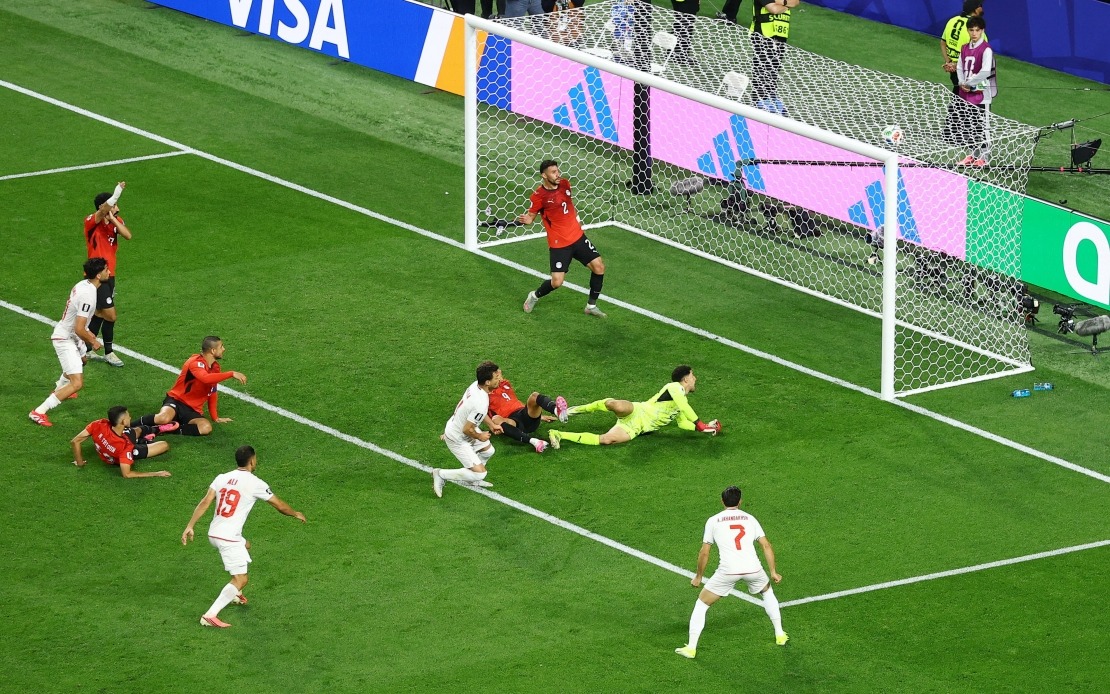
Iran's national football federation issued a strongly-worded statement on Saturday as the delegation prepared to leave the United States, asserting that they had endured prejudicial and inappropriate conduct throughout their World Cup participation. The team's exit came after a drawn match against Egypt that saw one of their goals controversially ruled out following a protracted video review, a result insufficient to secure advancement to the knockout rounds and marking the conclusion of a tournament marked by recurring grievances.
The Iranian contingent faced considerable logistical complications stemming from geopolitical tensions between Tehran and Washington. Originally scheduled to establish their tournament base in Arizona, the federation made the contentious decision to relocate operations to Tijuana, Mexico, a choice necessitated by the complex diplomatic environment surrounding Iran's participation. This repositioning forced the team to manage additional travel burdens for their American fixtures, adding practical difficulties to an already complicated tournament experience.
Throughout the competition, Iranian officials articulated frustration over what they perceived as unequal application of tournament regulations and protocols. The nullification of their goal against Egypt exemplified these tensions, with the VAR process stretching unusually long before officials determined the strike was impermissible. Such incidents fuelled broader complaints about inconsistent enforcement, a sentiment that accumulated across Iran's matches in the tournament.
The federation's parting statement carefully acknowledged international media coverage of their circumstances, expressing gratitude for what it characterised as balanced reporting on both their sporting efforts and the administrative obstacles they confronted. This diplomatic language suggested a calculated effort to document their grievances through official channels while maintaining professional relationships with global press institutions. The federation emphasised that journalistic integrity in covering their situation had provided valuable validation of their concerns.
However, the statement's most pointed expression of appreciation was reserved for Mexico and specifically Tijuana's residents. The federation praised the city and its inhabitants for extending genuine warmth and unreserved hospitality that stood in stark contrast to their experience in the United States. This deliberate juxtaposition underscored their displeasure with American treatment whilst simultaneously thanking a neighbouring nation for its contrasting generosity, a rhetorical choice laden with diplomatic significance.
The Tijuana sojourn, initially presented as a pragmatic accommodation to geopolitical constraints, evolved into an unexpected bright spot in Iran's tournament narrative. The federation's emphasis on the difficulty of departing Mexico suggested that the experience had become genuinely meaningful for the delegation, transforming what might have been a marginalised footnote into a substantive element of their World Cup story. This sentiment reflected broader themes about international sporting events and how host-nation politics inevitably shape tournament experiences for participating delegations.
Iran's complaints carry particular resonance given the historically fraught relationship between their government and the United States. Previous World Cup appearances have similarly been shadowed by bilateral tensions, establishing a pattern wherein Iranian teams navigate additional complications beyond normal competitive pressures. The decision to base operations outside American territory represented an unprecedented acknowledgement of these difficulties, effectively signalling to the global sporting community that standard tournament logistics could not function normally given prevailing political circumstances.
For Southeast Asian observers, Iran's experience offers instructive lessons about how contemporary geopolitics infiltrates even carefully regulated international sporting frameworks. The incident highlights vulnerabilities within World Cup organisation when host nations possess fractured relationships with competing countries, and raises questions about whether genuinely neutral tournament administration remains achievable in an era of pronounced interstate tensions. Malaysia and regional peers might reflect upon how their own teams would navigate comparable situations.
The VAR controversy itself merits scrutiny beyond the immediate match context. Prolonged reviews of contentious decisions have generated criticism across multiple tournaments, with observers questioning whether technology genuinely enhances fairness or instead introduces new layers of subjective interpretation. Iran's assertion that the lengthy check constituted unfair treatment reflects broader global concerns about VAR's implementation, concerns that transcend their specific situation and resonate across international football communities.
Looking forward, Iran's vocal critique establishes important precedent for how aggrieved nations can document and communicate their tournament experiences through official channels. Rather than remaining silent about perceived injustices, the federation explicitly articulated concerns whilst maintaining diplomatic decorum. This approach may influence how other nations manage comparable situations in future tournaments, potentially encouraging more transparent discourse about how political circumstances complicate ostensibly apolitical sporting competitions.
The federation's gratitude toward Mexico and implicit criticism toward United States treatment also reflects shifting alignments in international football diplomacy. As World Cup participation becomes increasingly entangled with geopolitical positioning, nations' experiences at tournaments can reinforce or reshape bilateral relationships. Iran's positive framing of Mexico's conduct versus implied reservations about American hospitality sends subtle but consequential signals about preferred partnerships and perceived fairness in international engagement.
Ultimately, Iran's departure statement transcends routine tournament commentary, functioning simultaneously as sporting critique, diplomatic messaging, and documented record of their experience. The careful calibration of gratitude, complaint, and professional acknowledgement demonstrates sophisticated awareness of how words spoken at tournament's end circulate globally, shaping narratives about both their sporting performance and the broader context within which international competitions operate.

