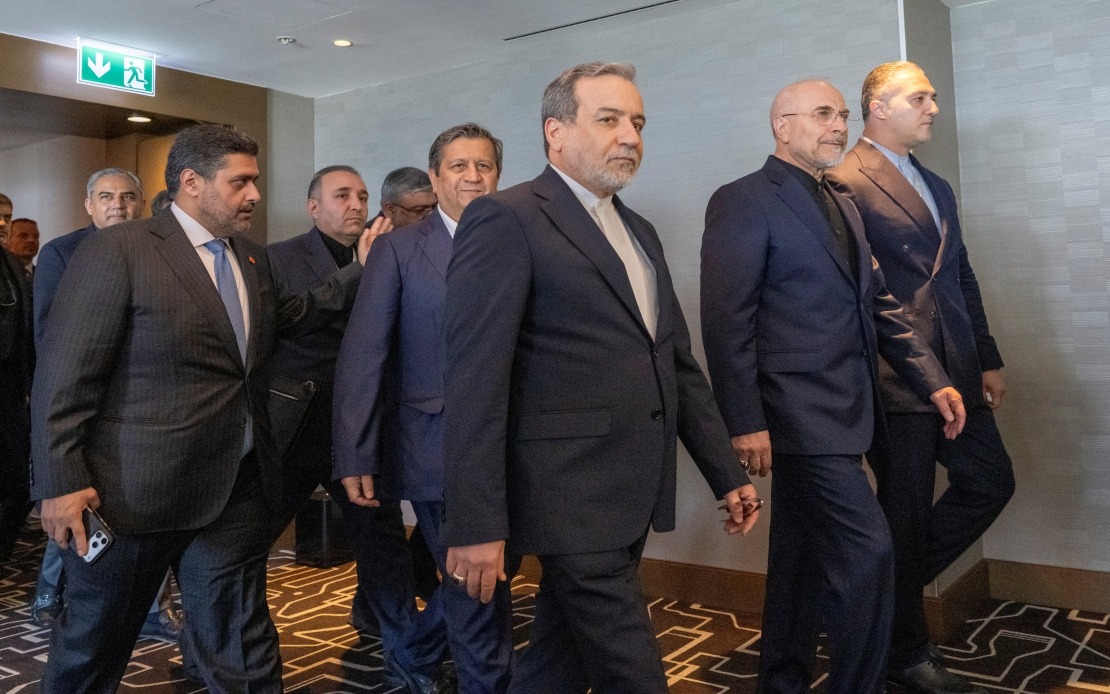
Iran's parliamentary delegation, led by Speaker Mohammad Bagher Qalibaf who serves as the country's chief nuclear negotiator, departed Switzerland on Monday following nearly 18 hours of substantive discussions with American counterparts. The Lake Lucerne Summit at Burgenstock concluded with both sides committing to a structured framework for continued diplomatic engagement, marking a potential turning point in the protracted negotiations over Tehran's nuclear programme.
Mediation by Qatar and Pakistan, two nations with longstanding diplomatic channels to both Tehran and Washington, shaped the tone and substance of the discussions. The mediators characterised the negotiating environment as fundamentally positive and constructive, a significant indicator given the historical tensions that have characterised Iran-US relations since 1979. Their assessment carries weight among regional observers, particularly in Southeast Asia where many nations maintain careful diplomatic balances with both powers.
The talks yielded concrete procedural agreements that establish a clearer path forward for resolving outstanding disagreements. Both delegations consented to establish a high-level committee tasked with maintaining momentum between formal negotiating sessions, a mechanism designed to prevent talks from stalling during periods when delegations are not physically present. This institutional arrangement suggests both sides recognise the fragility of diplomatic progress and wish to maintain communication channels continuously rather than intermittently.
Beyond the high-level committee, negotiators agreed to form technical working groups focused on specific disputed issues. These specialised teams will examine granular details where disagreement persists, allowing experts from both nations to engage in detailed problem-solving without necessarily involving senior political figures. This compartmentalisation of issues is a standard diplomatic practice that permits flexibility and creative solutions in discrete areas while broader political negotiations continue.
Crucially, the delegations endorsed a 60-day roadmap establishing clear timelines and milestones for advancing toward a comprehensive final agreement. This temporal framework provides both sides with measurable benchmarks and prevents negotiations from drifting indefinitely. For regional observers including Southeast Asian governments, such timelines signal whether diplomatic initiatives possess genuine momentum or represent largely symbolic gestures.
The significance of these developments extends beyond bilateral Iran-US relations. For Malaysian policymakers and businesses, nuclear negotiations in the Middle East carry direct implications for regional stability and international trade corridors. Malaysia's position as a major maritime trading nation means that tensions between Tehran and Washington can affect shipping routes and energy markets. Progress toward a negotiated settlement reduces uncertainty that might otherwise disrupt global commerce and energy supplies.
Further technical discussions are scheduled to commence later in the week, with negotiators returning to specific contentious issues that remain unresolved. The previous rounds of talks have consistently identified nuclear programme transparency, sanctions relief, and weapons verification as particularly thorny obstacles. These upcoming sessions will determine whether the positive atmosphere established in Burgenstock can translate into substantive compromises on these technical matters.
For Southeast Asian nations, the outcome of Iran-US nuclear negotiations carries implications for broader regional security architecture. Many ASEAN members maintain neutral stances on Iran's nuclear programme while seeking stable relations with both Tehran and Washington. A successful negotiated settlement would reduce the likelihood of military confrontation in the Persian Gulf, thereby lowering risks to shipping through the Strait of Hormuz—a critical passage for Asian energy imports and export shipments.
The role of Qatar and Pakistan as effective mediators deserves particular attention. Qatar has invested significantly in diplomatic infrastructure and regional trust-building, while Pakistan's geographic proximity to Iran and historical connections provide it with unique leverage and understanding. Their participation signals that Middle Eastern actors themselves seek negotiated solutions rather than military escalation, a message that resonates with Southeast Asian preferences for peaceful dispute resolution.
The composition of Iran's delegation itself carries symbolic weight. Mohammad Bagher Qalibaf, as Parliament Speaker, brings legislative legitimacy to any agreements reached, suggesting that Tehran's leadership intends to pursue negotiated outcomes through proper institutional channels rather than through executive prerogative alone. This institutional anchoring may provide greater durability to any eventual comprehensive agreement.
Observers in the region note that both delegations appear to recognise the costs of prolonged confrontation. Economic sanctions on Iran have disrupted international trade patterns and investment flows, while the threat of military conflict creates uncertainty that damages business confidence across Asia. The willingness of both sides to engage in intensive 18-hour negotiating sessions demonstrates commitment to exhausting diplomatic options before pursuing more confrontational paths.
The coming weeks will prove decisive. The technical working groups must demonstrate capacity for genuine problem-solving rather than merely rehearsing existing positions. The 60-day roadmap provides a specific window during which negotiators must either achieve breakthrough progress or acknowledge that fundamental differences cannot be bridged through diplomacy. For Southeast Asia and beyond, successful conclusion of these negotiations would represent a significant stabilising force in global geopolitics.