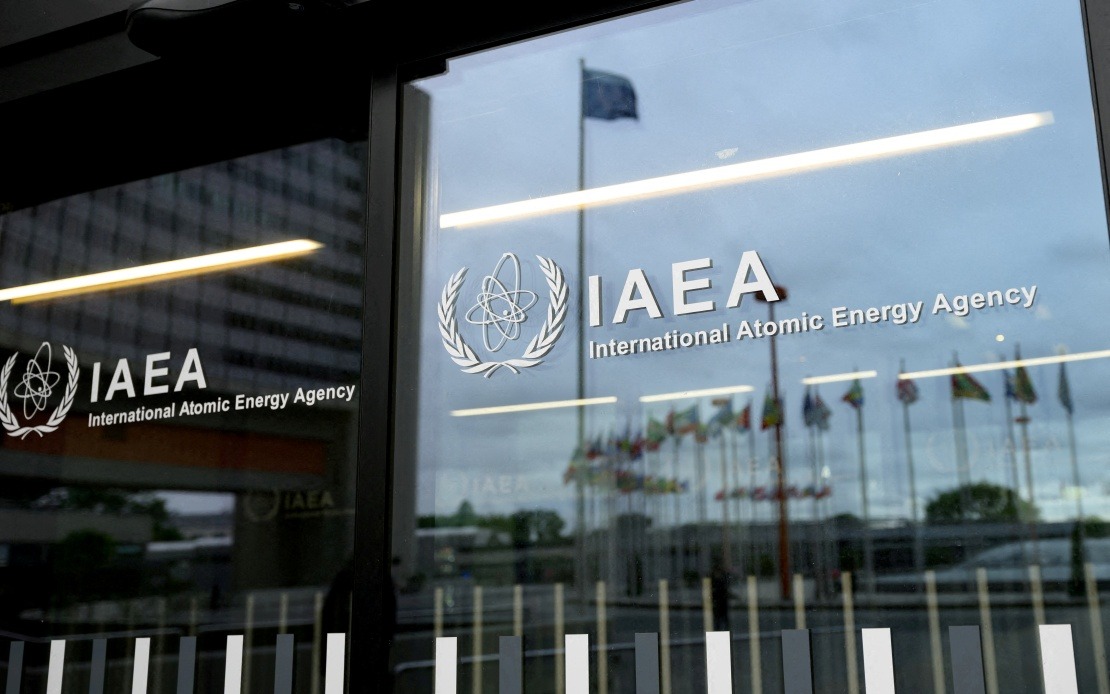
Iran has declined to permit International Atomic Energy Agency inspections at its nuclear facilities ahead of a final deal with the United States, according to a senior Iranian diplomatic official. The hardline position reflects Tehran's determination to leverage nuclear access as a bargaining chip in ongoing negotiations aimed at resolving a decade-long international dispute over its atomic programme and the sanctions that have crippled its economy.
Kazem Gharibabadi, Iran's Deputy Foreign Minister for Legal and International Affairs, made the announcement via social media on Wednesday, signalling that the government will not grant the Vienna-based UN nuclear watchdog entry to contested facilities until negotiations conclude and Washington fulfils commitments to dismantle all economic restrictions. His statement underscores the fragile state of negotiations that began following a memorandum of understanding signed on June 18, which allocated 60 days for both nations to hammer out a comprehensive agreement on Iran's nuclear programme and sanctions relief.
The timing of Iran's rejection is significant, coming just hours after Rafael Grossi, the IAEA's Director General, announced that inspections would proceed based on the recently-signed bilateral understanding. Grossi's statement appeared to assume Iranian compliance, but Gharibabadi's rebuttal demonstrates that Tehran interprets the agreement quite differently, viewing inspection protocols as matters to be negotiated rather than automatically implemented. This divergence of interpretation threatens to derail what many analysts consider a rare opportunity to resolve tensions through diplomacy rather than military escalation.
Gharibabadi also confirmed that no meeting took place between Iran's negotiating delegation and Grossi in Switzerland despite the IAEA chief's request for talks. The refusal to engage with the agency directly underscores Iran's determination to treat nuclear matters exclusively through bilateral channels with Washington rather than multilateral frameworks. This approach reflects Tehran's calculation that direct US-Iran negotiations offer better prospects for securing sanctions relief than engagement with international bodies, which Iran perceives as less sympathetic to its position.
The standoff centres on three major Iranian nuclear complexes—Fordow, Natanz, and Isfahan—all of which sustained damage during recent military strikes. These facilities have become flashpoints in the broader Middle Eastern conflict that intensified dramatically in June 2025 when American and Israeli forces launched an extensive bombing campaign targeting Iran's nuclear and military infrastructure. The damage inflicted during that 12-day campaign compounds verification challenges, as the physical destruction complicates efforts to assess the current state of Iran's atomic programme.
For Malaysia and other Southeast Asian nations watching these developments, the implications extend beyond Iran's borders. Persistent nuclear tensions in the Middle East create regional instability that affects global energy markets, international commerce, and shipping security through critical chokepoints like the Strait of Hormuz. Malaysian businesses and traders operating in the region face elevated risks from sanctions enforcement and potential retaliatory measures should negotiations collapse.
The June 18 memorandum represents a significant diplomatic achievement given the military confrontations that preceded it. Both sides initially appeared committed to pursuing negotiations as an alternative to further military escalation, yet the rapid emergence of disputes over inspection protocols suggests deep mistrust remains. Iran's insistence that sanctions relief must precede or accompany inspections reflects its expectation that the US will otherwise use non-compliance allegations as pretext to reimpose restrictions or trigger additional strikes.
Washington's perspective on inspections likely differs fundamentally from Tehran's approach. The US presumably views IAEA access as essential verification before finalising any agreement, requiring inspections to proceed in parallel with negotiations rather than afterwards. This fundamental disagreement over sequencing could prove decisive, as neither side appears willing to compromise on this core principle without major concessions elsewhere.
The first negotiating round, conducted in Switzerland over the weekend, apparently produced no breakthrough on inspection matters, explaining why these issues have resurfaced almost immediately. Both delegations continue advancing positions that remain far apart, suggesting that the 60-day window will involve intense diplomatic wrangling before convergence becomes possible. Iranian negotiators clearly believe their country's nuclear knowledge and uranium stockpiles provide leverage sufficient to demand inspection frameworks more favourable to Tehran than those typically required by international agreements.
Regional analysts note that military pressure from the US and Israel continues alongside negotiations, creating a volatile backdrop for diplomatic efforts. Iran's negotiating stance reflects awareness that any apparent weakness in demanding stringent inspection terms might be exploited militarily by adversaries impatient with the process. This dynamic inevitably hardening Tehran's negotiating position even as some factions within the Iranian government recognise that sanctions relief would provide enormous economic benefits to ordinary Iranians and the national treasury.
The coming weeks will test whether both nations possess sufficient political will to surmount these disagreements through creative negotiation frameworks that address underlying concerns without requiring either side to abandon core interests. Malaysia, as a developing Muslim-majority nation with extensive Middle Eastern trade ties, has stakes in achieving a durable resolution that reduces regional military tensions and allows legitimate commerce to resume without constant risk of disruption.

