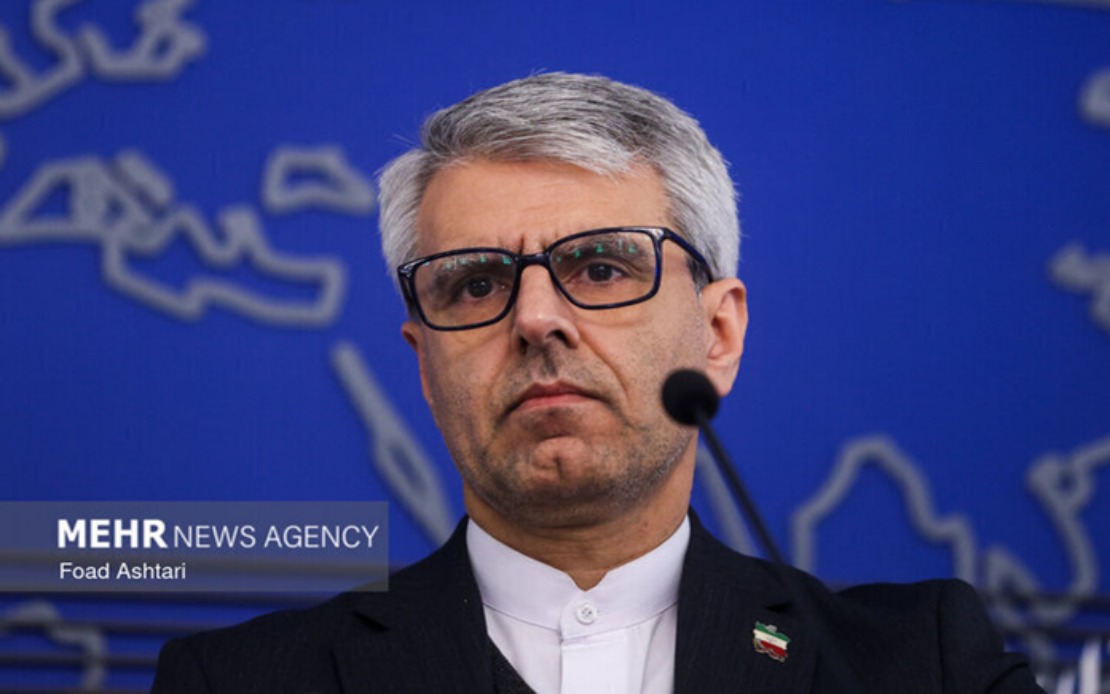
Iran and Oman have committed to sustaining dialogue aimed at ensuring the safety of navigation through the Strait of Hormuz, one of the world's most strategically important waterways. The agreement emerged following high-level talks in Muscat between Iranian Foreign Minister Abbas Araghchi and Omani officials, with consultations to proceed across political, legal, and technical domains, according to Iranian Foreign Ministry spokesman Esmaeil Baghaei. The declaration underscores the two countries' determination to address mounting tensions in the region through constructive engagement rather than confrontation.
The diplomatic initiative carries particular significance given the volatile context in which it unfolds. Days before Araghchi's visit to Oman, Iran's Islamic Revolutionary Guard Corps issued inflammatory rhetoric, announcing intentions to shut the Strait of Hormuz and prevent vessel transit until United States interference in the region ceases. Such pronouncements, whether intended as negotiating posture or genuine military preparation, trigger immediate concern among regional and global stakeholders dependent on the waterway for energy exports and international commerce. The Strait remains the conduit through which roughly one-fifth of the world's petroleum passes annually, making any disruption an issue of worldwide economic consequence.
Oman's role as intermediary in these discussions reflects its established position as a pragmatic diplomatic actor within the Gulf. The sultanate has cultivated a reputation for maintaining cordial relations across regional divides, offering neutral ground for dialogue when tensions escalate. By hosting Araghchi and facilitating consultations between Iranian and Omani officials, Muscat demonstrates its commitment to de-escalation while protecting its own maritime interests. For Malaysian policymakers and businesses dependent on Gulf energy supplies and transit routes, Oman's stabilising influence carries direct relevance to economic stability and supply chain security.
The agreement to structure discussions across three distinct levels—political, legal, and technical—suggests a comprehensive approach designed to address different dimensions of the Strait's complexity. Political consultations would encompass broader strategic concerns and regional power dynamics, while legal frameworks might reference international maritime law and the 1982 United Nations Convention on the Law of the Sea. Technical discussions could focus on navigation protocols, vessel monitoring systems, and mechanisms to prevent incidents that might trigger escalation. This multilayered methodology indicates both parties recognise that sustainable solutions require addressing concerns across the full spectrum of governance.
Crucially, Baghaei stated that the future management of the Strait should emerge through bilateral Iranian-Omani consultations informed by recent months' developments and military actions undertaken by the United States and Israel against Iranian targets. This framing reflects Iran's effort to contextualise its position within a broader narrative of regional military pressure. The reference to actions by Washington and Tel Aviv serves to anchor Iranian demands within a grievance-based framework, suggesting that Tehran views negotiations as an opportunity to extract acknowledgment of its security concerns. Malaysian observers familiar with regional politics will recognise this rhetorical positioning as typical of Tehran's approach to diplomatic engagement.
Qatar's participation in consultations was highlighted by Baghaei, underscoring the role of mediating nations in facilitating dialogue between Iran and the United States. The Persian Gulf state has invested considerable diplomatic capital in positioning itself as a neutral broker capable of maintaining channels of communication between adversaries. For Southeast Asia, Qatar's involvement illustrates how Gulf states manage complex regional relationships through strategic intermediation—a model with potential relevance for ASEAN's approach to managing tensions involving major powers.
The timing of these consultations coincides with a period of heightened regional tension marked by military escalations and retaliatory actions. The agreement to continue dialogue offers a potential counterweight to more bellicose rhetoric and suggests that even amid considerable strain, diplomatic pathways remain open. This represents an important signal for global markets and supply chains concerned about disruption to energy flows. Malaysian companies operating across international shipping, petrochemicals, and trade depend fundamentally on the Strait's continued accessibility and stable operating environment.
From a broader geopolitical perspective, the Iranian-Omani initiative reflects wider international efforts to prevent the Strait of Hormuz from becoming a flashpoint that could destabilise regional and global security architecture. The waterway's strategic importance ensures that disruptions reverberate far beyond the Gulf itself, affecting price volatility, supply reliability, and economic growth across Asia-Pacific markets. Malaysia, as a major trading nation and energy consumer, faces direct exposure to any significant interruption of flows through this critical chokepoint.
The commitment to continued consultations also indicates that neither Iran nor Oman has given up on negotiated solutions despite provocative statements from Tehran's military establishment. Maintaining diplomatic channels, even when rhetoric becomes heated, provides space for eventual de-escalation and compromise. The involvement of multiple mediators and the structured approach to dialogue suggest that regional actors recognise the costs of allowing tensions to spiral into military confrontation. For Malaysian policymakers monitoring Gulf developments, this represents a relatively encouraging sign, though one requiring careful observation as negotiations develop in coming weeks.

