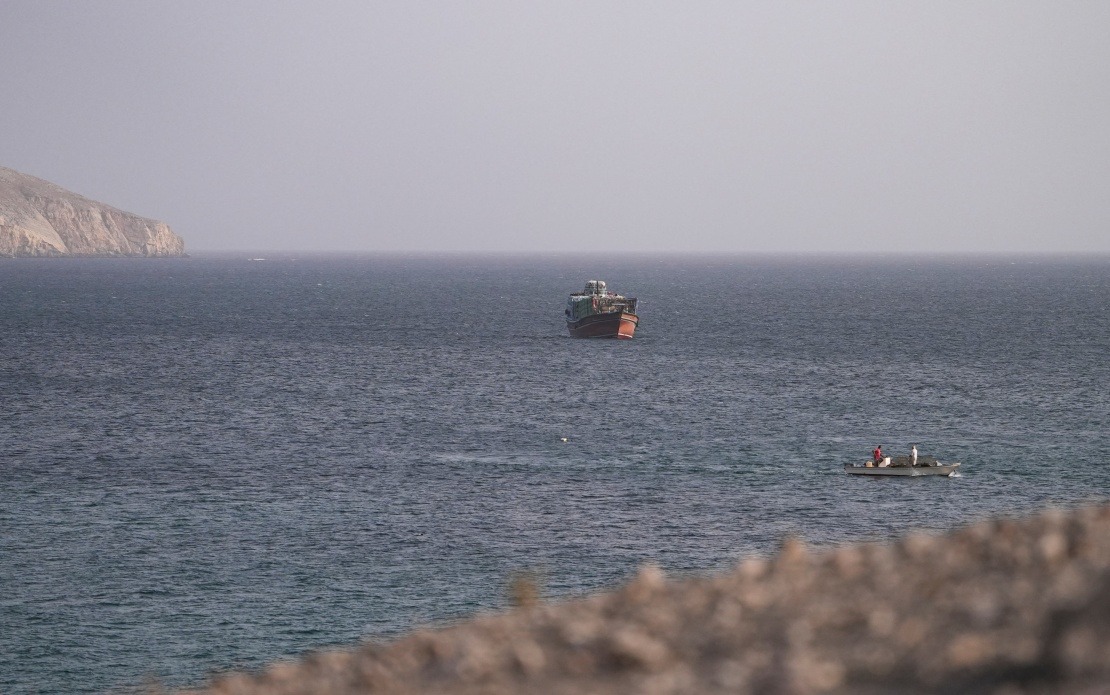
Tensions over one of the world's most critical shipping corridors may be easing as Iran and Oman work towards an understanding that could reshape how merchant vessels navigate the Strait of Hormuz. Deputy Foreign Minister Kazem Gharibabadi confirmed on Wednesday that the two nations are in the advanced stages of finalising arrangements governing the movement of commercial traffic through the strategic waterway, a development that carries significant implications for regional stability and global maritime commerce.
The proposed arrangement represents a fundamental departure from practices established over the past six decades, introducing a novel framework that would allow a substantial portion of shipping traffic to traverse Iranian territorial waters. This recalibration of shipping corridors reflects changing political dynamics and Iran's assertion of control over maritime activity adjacent to its coastline. Rather than constituting a complete reopening of the strait to unrestricted passage, the agreement should be understood as a carefully structured compromise that acknowledges Iran's sovereign interests while maintaining commercial viability for international shipping.
Gharibabadi's emphasis on the distinction between full reopening and this new model underscores the nuanced nature of the negotiations. The Strait of Hormuz, through which roughly one-third of world maritime petroleum trade flows annually, has been a flashpoint for regional and international friction, particularly since the breakdown of Iran's nuclear accord with major world powers. The introduction of alternative routing through Iranian territorial waters suggests Tehran is seeking to leverage its geographic position while demonstrating flexibility on access to this vital thoroughfare.
A crucial question remains unresolved: whether Iran will impose transit fees on vessels using routes through its territorial waters. Gharibabadi indicated that any decision on levying charges would rest with Iran's highest authorities and would be contingent upon how the United States conducts itself moving forward. This conditional framing suggests that fee collection could serve as either an incentive or a punitive measure depending on the trajectory of Iran-US relations, introducing an element of economic leverage into maritime negotiations.
The timing of these announcements coincides with broader signals that Washington and Tehran may be approaching a potential nuclear agreement. Gharibabadi stated that Iran has received communications from the United States suggesting American willingness to "return to its commitments," a diplomatically coded reference to rejoining or honouring provisions of the Joint Comprehensive Plan of Action, the 2015 nuclear accord from which the Trump administration withdrew in 2018. The deputy foreign minister refrained from clarifying which specific obligations were referenced or the channels through which these messages were transmitted, maintaining the ambiguity typical of back-channel diplomacy.
For Malaysia and other Southeast Asian nations dependent on unimpeded passage through the Strait of Hormuz, these developments warrant close attention. The region's energy security remains substantially linked to oil and liquefied natural gas shipments transiting this waterway, and any arrangement that reduces volatility or military posturing enhances predictability for regional traders and energy consumers. A stable framework for commercial navigation benefits all stakeholders, from shipping companies to end-use economies vulnerable to energy price shocks.
The involvement of Oman as intermediary and negotiating partner reflects that sultanate's historical role as a relatively neutral actor in regional geopolitics. Muscat has cultivated relationships with both Iran and Western powers, positioning itself as a bridge-builder capable of facilitating dialogue when direct engagement proves difficult. The fact that Iran and Oman have progressed toward a finalised understanding suggests that diplomatic channels remain functional even amid broader regional tensions.
Experts have observed that maritime agreements centred on shipping corridors sometimes serve as confidence-building measures that can facilitate progress on larger political issues. By establishing mutually acceptable arrangements for commercial traffic, negotiating parties create positive momentum and demonstrate their capacity for compromise on shared interests. The Strait of Hormuz agreement could therefore function as a stepping stone toward broader normalisation if nuclear negotiations with Washington proceed successfully.
The broader context reveals Iran's strategic calculus: demonstrating flexibility on shipping access while maintaining leverage over transit arrangements allows Tehran to project strength without entirely closing off diplomatic pathways. The condition that fee decisions depend on American behaviour provides Iran with a negotiating tool that can be adjusted based on how subsequent talks unfold. This approach reflects a sophisticated understanding of how incremental agreements can serve as confidence-building mechanisms while reserving options for future pressure.
Regional observers note that successful completion of the Iran-Oman arrangement would contrast sharply with periods of heightened maritime tensions that saw attacks on tanker traffic and military buildups in the waterway. A functioning commercial framework, even one incorporating Iranian territorial water routing, represents progress toward normalising conditions that had deteriorated substantially in recent years. The implications extend beyond immediate shipping concerns to encompass broader questions about how Iran integrates into regional maritime commerce.
The road ahead remains uncertain, contingent upon progress in parallel negotiations with the United States and upon maintaining political will among Iranian decision-makers. Nevertheless, the advancement of arrangements with Oman demonstrates that actors in the region recognise the mutual benefits of stability over the alternative. For Malaysia and neighbouring economies, success in these negotiations would translate into enhanced energy security and reduced price volatility in international energy markets that directly affect consumer and industrial costs across Southeast Asia.

