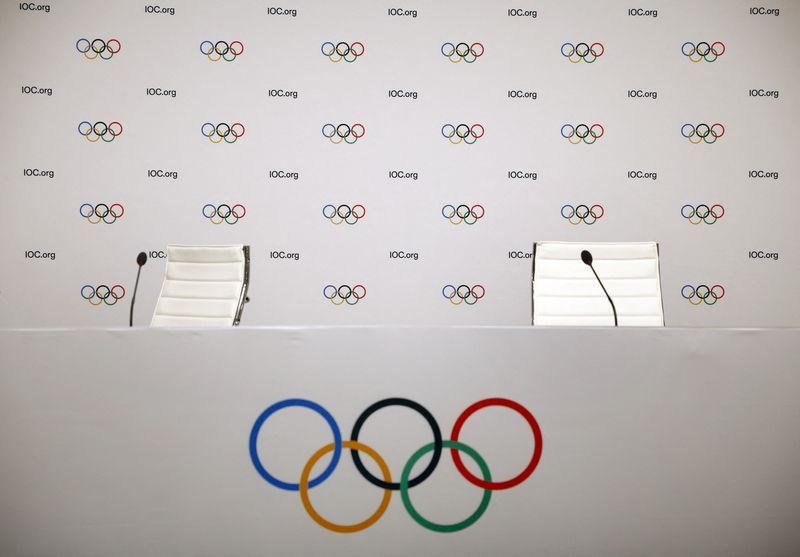
The International Olympic Committee is set to vote this week on revisions to the Olympic Charter intended to strengthen the principle of political neutrality in sport, a move that observers say could reshape the landscape for Russian participation in future Olympics. The proposed amendments, due for consideration on Wednesday, would enhance language affirming that the IOC must maintain impartiality "at all times, free from governmental, cultural, societal or economic pressure" when managing the Olympic movement. While the IOC frames these changes as essential safeguards against external interference and the politicisation of athletic competition, the timing and implications have triggered alarm among sports integrity advocates who fear the revisions could inadvertently demolish existing guardrails against Russia's full rehabilitation in international sport.
The IOC has justified the proposed reforms as necessary protection for athletes and competitions against outside manipulation. The body argues that by reinforcing these neutrality principles, it can prevent the Olympic Games from becoming a platform for geopolitical disputes or state pressure. Yet the substance and context of these amendments have drawn sharp criticism from civil society organisations monitoring Olympic governance. Rob Koehler, director general of advocacy group Global Athlete, has expressed concern that the changes risk undermining the entire credibility of the Olympic movement. In particularly pointed language, he warned that "the message will be unmistakable: war, systematic doping and repeated violations of the Olympic Charter are no longer barriers to full participation." His statement encapsulates a broader worry that neutrality as a framework could become a Trojan horse for lowering accountability standards.
Russia's complicated relationship with international sport is rooted in decades of state-sponsored doping that came to light through investigations into the 2014 Sochi Winter Games. The resulting sanctions, imposed by sports bodies worldwide, have meant that Russian athletes have competed under neutral flags or faced exclusion from major events. The situation deteriorated further in 2022 when the IOC recommended banning Russian and Belarusian athletes from competitions in response to Russia's invasion of Ukraine. These restrictions represented a dramatic intervention by the Olympic body, signalling that geopolitical conduct could supersede the principle of athlete neutrality. The Russian Olympic Committee itself was suspended in October 2023 after it recognised regional Olympic councils in Russian-occupied Ukrainian territories—a move the IOC deemed a violation of both the Olympic Charter and Ukraine's territorial integrity.
However, recent months have seen a marked shift in the IOC's stance toward a more gradualist approach to easing sanctions. In December, the organisation announced that Russian and Belarusian youth athletes should be permitted to return to international competition without restrictions, signalling that age-based exceptions might erode the broader ban. Last month, the IOC went further by lifting all restrictions on Belarusian athletes, effectively clearing them to compete in international events and Olympic qualifiers for the 2028 Los Angeles Games. Notably, the IOC stopped short of extending the same relief to Russian athletes, maintaining that restrictions would remain in place for now. Nevertheless, the decision regarding Belarus has fuelled speculation that a comparable move for Russia could follow within months, particularly if the Charter amendments pass and the IOC's legal review of Russia's doping systems concludes favourably.
The timing of these changes coincides with ongoing scrutiny by the World Anti-Doping Agency into Russia's compliance with international standards. In May, the IOC indicated that its legal affairs commission was conducting a comprehensive review of information concerning the Russian Olympic Committee while simultaneously examining its anti-doping procedures. This dual-track process suggests that the IOC is simultaneously evaluating both governance and technical compliance, potentially setting the stage for a graduated return if satisfactory progress is demonstrated. Russia has signalled its eagerness for rehabilitation, with Sports Minister and ROC Chairman Mikhail Degtyarev stating in April that his ministry and the committee were "doing everything possible" to secure the full reintegration of Russia's national team under the Russian flag in international competitions. President Vladimir Putin himself, quoted in April, expressed hope that the IOC's new leadership would adopt a fresh perspective on the matter.
The proposed Charter amendments extend beyond the Russia question to reshape Olympic governance more broadly. The revisions would remove the fixed list of international sports federations currently enshrined in the Charter, granting the IOC substantially greater discretion in determining which sports feature in the Olympic programme. This flexibility would allow the committee to make selections based on operational criteria such as cost efficiency, logistical feasibility, and global commercial appeal rather than being bound by a predetermined roster. For Malaysian and Southeast Asian sports bodies, this shift carries implications for how emerging sports in the region might gain Olympic recognition, potentially opening pathways for inclusion but also introducing uncertainty around the stability of existing sports programmes.
The neutrality framework being advanced presents a fundamental philosophical challenge to the Olympics' dual mandate: to celebrate athletic excellence while upholding broader values of fair competition and integrity. Critics argue that pure neutrality divorced from ethical accountability can become morally hollow, especially when applied retroactively to situations involving state aggression or systematic fraud. The IOC's attempt to navigate between geopolitical reality and the Olympic ideal of universal inclusion has proven perilously difficult. By emphasising neutrality as the supreme principle, the organisation risks signalling that past violations can be forgiven if accompanied by sufficient time and procedural compliance, rather than requiring genuine accountability or behaviour change.
For Southeast Asian sports stakeholders, these developments warrant close attention. The region's growing influence in international sports governance means that precedents set regarding Russian participation will shape expectations for how the Olympic movement handles other states facing sanctions or diplomatic tensions. Malaysia and its neighbours have vested interests in understanding how the IOC will balance inclusivity with integrity, particularly as sporting exchanges become increasingly intertwined with geopolitical positioning. The Charter amendments, if adopted, will establish the interpretive framework for those judgments for years to come.
The IOC's review of Russian anti-doping systems and governance remains ongoing, with no public timeline for completion. The organisation has not indicated whether it will wait for that process to conclude before implementing the Charter changes or whether the amendments will proceed independently. This procedural question matters substantially: if the Charter passes first, it may subtly shift the political environment in which decisions about Russia's reintegration are made, potentially lowering the evidentiary bar for restoration of full privileges. The coming weeks will reveal not only whether the amendments succeed but also how the IOC intends to sequence and operationalise these changes as it manages the competing pressures of maintaining Olympic credibility while navigating the complexities of twenty-first-century international sport in an era of geopolitical turbulence.