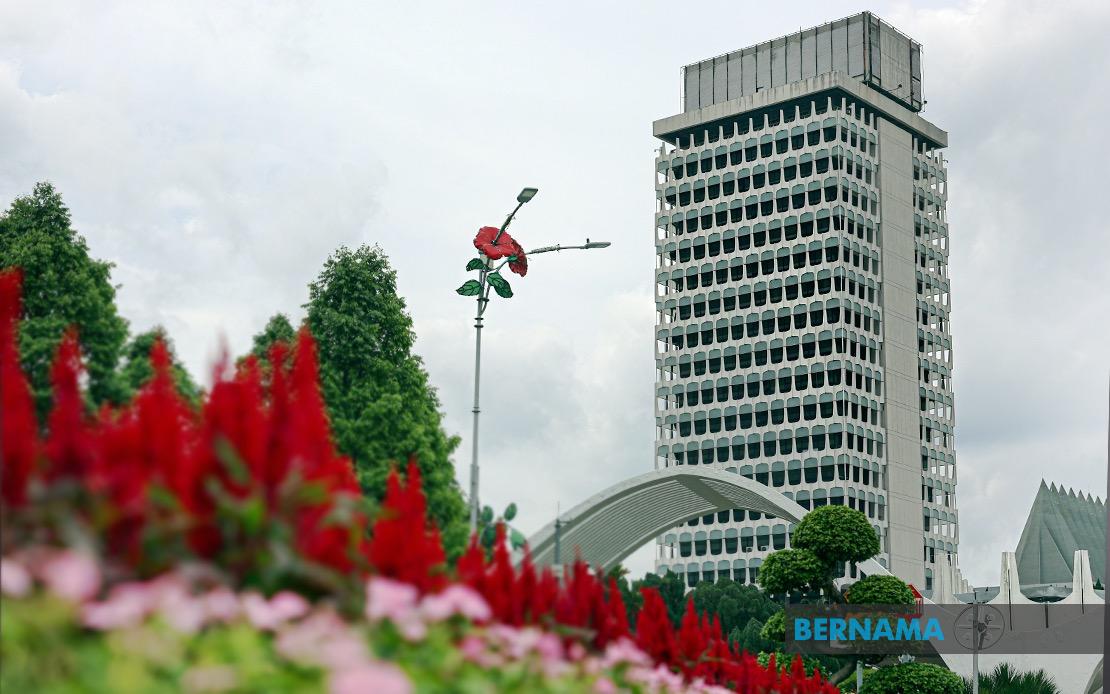
Malaysia's parliament will take centre stage today with lawmakers pressing government ministers on three pressing national concerns: widespread internet service failures despite strong signal strength, the ballooning impact of Middle East conflict on fuel subsidy spending, and support mechanisms for informal economy workers. The order of business, detailed in Parliament's official agenda, signals growing frustration among elected representatives over issues directly affecting Malaysian households and businesses.
Datuk Anyi Ngau of GPS-Baram has scheduled a question for the Communications Minister focusing on a frustrating technical paradox affecting users nationwide. The inquiry seeks clarity on the Malaysian Communications and Multimedia Commission's strategic roadmap to resolve the persistent problem of internet services becoming inaccessible even when mobile devices display full signal bars. This disconnect between perceived and actual connectivity has become a recurring complaint from consumers, particularly during peak usage hours, undermining confidence in the country's digital infrastructure.
The fuel subsidy question carries substantial economic implications. Mohd Syahir Che Sulaiman from PN-Bachok will press the Finance Minister for the government's latest assessment of how the evolving conflict in West Asia is reshaping Malaysia's fuel subsidy burden. Given that global crude oil prices fluctuate partly in response to geopolitical tensions in the Middle East, any prolonged or escalating conflict directly translates into higher import costs for petroleum products. His inquiry specifically targets how this rising subsidy expenditure might compromise the government's fiscal deficit target for the year—a critical metric for macroeconomic stability and investor confidence.
The interconnection between geopolitical risk and domestic budgetary pressures reflects Malaysia's vulnerability as a net petroleum importer. Though the country does produce oil domestically, total demand exceeds domestic supply, making the nation sensitive to international price movements. As subsidy costs climb, policymakers face difficult trade-offs: maintaining price controls to protect consumer purchasing power versus conserving fiscal space for developmental spending and debt servicing. This tension will likely feature prominently in today's parliamentary exchanges.
A third economic concern addresses financial inclusion for Malaysia's growing informal workforce. Jamaludin Yahya representing PN-Pasir Salak will question the Finance Minister about mechanisms enabling self-employed individuals, small-scale traders, hawkers, and gig economy workers to access home financing without traditional employment documentation. The absence of fixed salary slips—a standard requirement for conventional mortgage lending—excludes hundreds of thousands of Malaysians from formal property ownership, perpetuating wealth disparities and limiting social mobility.
This question highlights a structural mismatch between Malaysia's evolving labour market and banking sector lending practices. As the gig economy expands and informal commerce remains significant, financial institutions have been slow to develop alternative credit assessment methods. Some regional neighbours have pioneered income verification systems using transaction data and digital payment histories, yet Malaysian banks largely rely on antiquated salary slip requirements. Addressing this gap could unlock considerable economic potential while fostering financial stability through expanded homeownership among productive workers.
The parliamentary agenda also includes a focus on maternal welfare and post-natal care standards. Yeo Bee Yin from PH-Puchong will ask the Women, Family and Community Development Minister about government preparedness to establish a comprehensive national regulatory framework governing confinement centres—facilities where women receive specialised care during the traditional post-birth recovery period. The query suggests growing parliamentary concern about the current absence of formal regulation in this sector, where standards and safety protocols vary widely.
Confinement centres operate in a regulatory grey zone across much of Malaysia. These facilities, grounded in traditional health practices, range from professionally managed establishments to informal arrangements lacking proper oversight. The absence of standardised licensing, hygiene protocols, and practitioner qualifications has occasionally resulted in health complications and consumer grievances. Establishing a formal regulatory framework would enhance consumer protection, ensure evidence-based practices, and integrate confinement care more effectively with formal healthcare systems.
Following the question-and-answer session, Parliament will move to second reading of two interconnected legislative measures: the Communications and Multimedia (Amendment) Bill 2026 and the Malaysian Communications and Multimedia Commission (Amendment) Bill 2026. Both bills underwent first reading last Monday on July 13. The specific amendments likely address regulatory gaps exposed by the internet connectivity problems raised in today's questions, though full details remain under parliamentary procedure.
These communications sector bills carry significance beyond technical telecommunications regulation. Malaysia's digital economy—encompassing e-commerce, fintech, digital payments, and remote work—depends fundamentally on reliable broadband and mobile connectivity. Legislative amendments signalling government commitment to infrastructure reliability and service standards could influence investor sentiment regarding Malaysia's digital readiness relative to regional competitors.
The current parliamentary sitting, running sixteen days through July 16, reflects Parliament's expanded legislative calendar aimed at addressing accumulated governance gaps. The combination of infrastructure concerns, fiscal pressures, financial inclusion challenges, and healthcare regulation indicates lawmakers recognise interconnected pressures shaping Malaysian society. Today's debate will reveal which political groupings prioritise these issues and how effectively government ministers defend their policy responses.
For ordinary Malaysians, these parliamentary inquiries represent institutional mechanisms for accountability. Whether addressing frustrating internet outages, the squeeze on household budgets from rising fuel costs, limited homeownership access for informal workers, or maternal healthcare standards, the questions tabled reflect real challenges affecting millions. The government's responses will shape not only immediate policy direction but also public confidence in Parliament's capacity to translate citizen concerns into meaningful legislative and administrative action.

