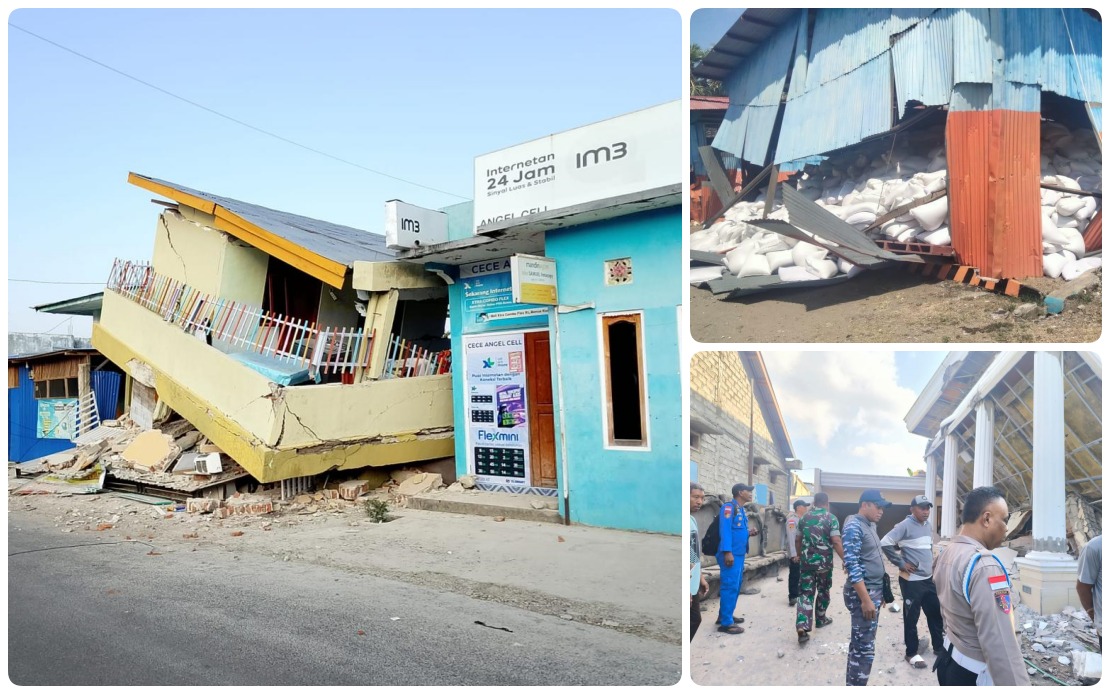
Indonesia's Flores Island has been struck by devastating seismic activity, with a powerful magnitude 7.7 earthquake claiming at least 53 lives and generating widespread disruption across multiple districts. The initial tremor occurred at 4.58 am local time on Sunday, with its epicentre located approximately 30 kilometres offshore from Mbay in Nagekeo district at a depth of 15 kilometres. The scale of the disaster has placed enormous strain on local infrastructure and emergency response systems, prompting an immediate nationwide mobilisation of relief resources.
The aftermath of this major seismic event has been characterised by relentless aftershock activity that continues to unsettle survivors and complicate rescue efforts. According to the National Disaster Management Agency (BNPB) Deputy for Prevention Abdul Muhari, the Meteorology, Climatology and Geophysics Agency (BMKG) had recorded 995 aftershocks by 3 pm on Sunday alone. While most of these tremors were imperceptible to residents, their psychological impact on a traumatised population cannot be underestimated, particularly given the region's history of catastrophic seismic events. The sheer frequency of aftershocks has discouraged many survivors from returning to their homes, with anxiety about structural damage and further collapse keeping communities on high alert.
The human toll extends beyond the confirmed death count, with 135 people reported injured across the seven affected regencies and cities. Significantly, authorities have reported no missing persons so far, suggesting that most residents were accounted for during the initial response phase. However, Abdul Muhari cautioned that casualty figures were still being verified as emergency operations entered their second day, indicating that comprehensive assessments were ongoing. The scale of displacement has been substantial, with 9,290 people sheltering at evacuation sites as of midnight Saturday, reflecting widespread reluctance to return to potentially unstable residential areas.
The psychological dimension of this disaster cannot be separated from Flores's recent history. The memory of the devastating 1992 earthquake and tsunami that claimed thousands of lives continues to haunt the collective consciousness of residents, making many understandably reluctant to leave evacuation centres despite official reassurances. This historical trauma has essentially embedded itself into community consciousness, creating a legitimate hesitation about returning to homes even when structural assessments might suggest safety. Relief coordinators are therefore grappling not only with immediate physical reconstruction challenges but also with the deeper psychological barriers that inhibit the restoration of normal life.
The initial tsunami alert issued following the earthquake was relatively short-lived, with BMKG terminating the warning at 7.31 am after oceanographic monitoring revealed no significant sea-level rise. This determination prevented what could have been an additional catastrophic layer to an already severe disaster. The early morning timing of the main earthquake, however, meant that many residents were indoors when the shaking began, potentially contributing to the relatively lower death toll compared to what might have been expected from such a powerful tremor. The distribution of casualties across seven administrative units underscores the broad geographic reach of seismic damage, complicating coordination of emergency response.
Indonesian authorities have rapidly established a multi-layered response infrastructure to address immediate humanitarian needs and begin the long process of reconstruction. Response posts have been established in Labuan Bajo and Maumere, serving as operational hubs for coordinating relief distribution and information sharing. Logistics nodes activated in Jakarta, Labuan Bajo and Maumere are facilitating the movement of medical supplies, food, water and rescue equipment to affected areas. This geographical spread of support facilities reflects the complexity of managing relief operations across an island archipelago where transportation infrastructure itself has been damaged, requiring careful choreography of supply chains and personnel deployment.
Infrastructure damage has created significant logistical obstacles that authorities are methodically addressing. A critical section of road in Reok, Manggarai that had been rendered impassable by landslide activity has now been cleared sufficiently to permit passage of fuel tanker trucks, an essential step for ensuring that generators and vehicles can maintain operations during extended relief efforts. Electricity restoration has commenced in several blackout-affected areas, representing important progress in restoring basic services to communities. However, the complete rehabilitation of damaged roads, bridges, water systems and communication networks will require sustained effort over weeks or months, with implications for the speed and effectiveness of ongoing relief delivery.
For Malaysia and broader Southeast Asian readers, this disaster underscores the persistent seismic vulnerability of the entire region straddling the Pacific Ring of Fire. Indonesia's experience managing this major earthquake response offers critical lessons about early warning systems, evacuation protocols and inter-agency coordination during mass casualty events. The 7.7 magnitude quake, while devastating, demonstrated the relative effectiveness of Indonesia's disaster preparedness infrastructure in preventing even greater loss of life. Yet the continued aftershock sequence and the strain on evacuation systems highlight areas where regional preparedness capabilities can be strengthened through knowledge sharing and investment in resilient infrastructure.
Aircraft and helicopters have been placed on standby to support relief operations, particularly for accessing remote areas that may be difficult to reach by conventional transport. This aviation support provides crucial flexibility for emergency response, enabling rapid deployment of medical teams, search and rescue personnel, and supplies to isolated communities. The standby status indicates that authorities are prepared to escalate airborne operations if ground conditions deteriorate or if isolated pockets of injury or homelessness require aerial intervention. This multi-modal approach to relief logistics reflects lessons learned from previous disaster responses across the archipelago.
The ongoing nature of this crisis, with thousands still at evacuation centres and reconstruction only beginning, means that Indonesia faces weeks of sustained emergency operations and humanitarian support. The recovery trajectory will depend significantly on how quickly authorities can restore confidence in structural safety, clear debris, and reestablish basic services. For observers across Southeast Asia, the Flores earthquake serves as a sobering reminder of nature's capacity to overwhelm even well-prepared societies, and of the importance of investing continuously in disaster resilience, early warning systems, and community preparedness programmes. The region's shared tectonic hazards mean that experiences from major events in one country carry valuable insights for neighbours facing similar geological risks.

