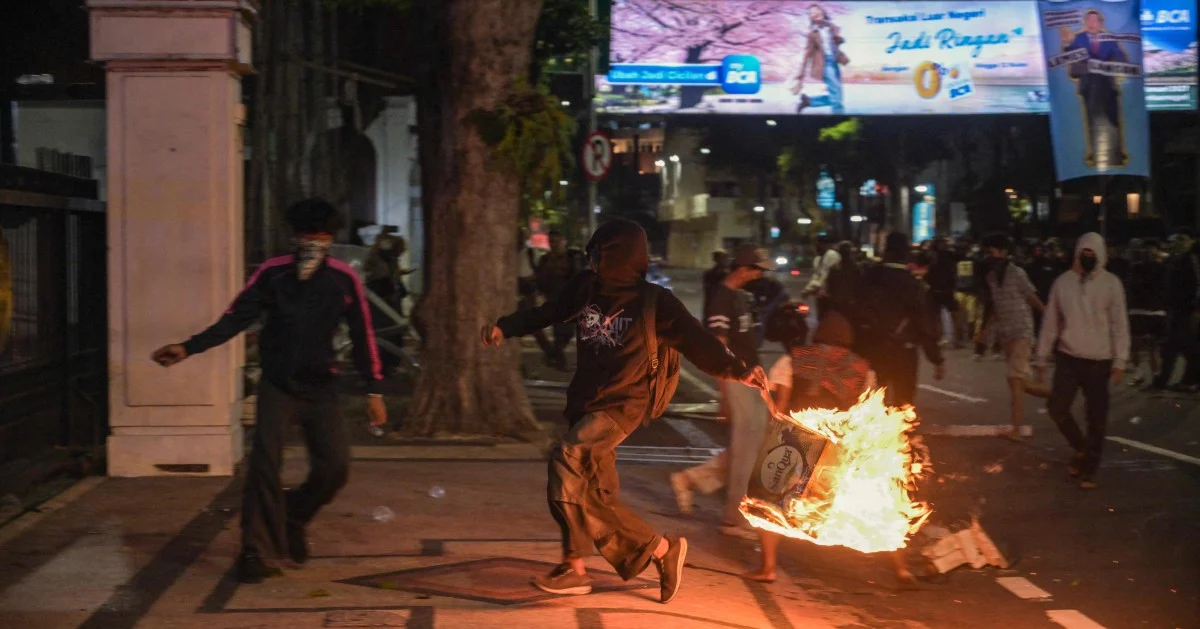
Law enforcement in Indonesia moved to suppress dissent in Surabaya over the weekend, taking multiple demonstrators into custody after they gathered to voice opposition to President Prabowo Subianto's administration and its policy direction. The mass arrests, documented by civil liberties advocates monitoring the situation on the ground, underscore growing tensions between the government and vocal segments of the population critical of the new leadership's approach to key issues affecting the nation.
Surabaya, as the country's second-largest metropolitan area after Jakarta, has historically served as a significant flashpoint for political expression and grassroots mobilisation. The city's role as an economic and cultural hub means that protests there carry substantial symbolic weight, attracting national attention and signalling broader discontent that extends beyond the immediate locality. The decision by authorities to detain activists demonstrates official sensitivity to organised criticism, particularly in population centres where demonstrations can catalyse wider movements.
The timing and scale of the arrests reflect deeper anxieties within Indonesia's security apparatus about the stability of President Prabowo Subianto's recently established government. Since taking office, the administration has faced criticism from various quarters—civil society groups, opposition politicians, and independent observers—over its policy agenda and the methods employed to advance that agenda. The detention of protesters appears designed to send a cautionary message to those considering public dissent.
Human rights organisations have become increasingly vocal about the implications of such actions for Indonesia's democratic credentials. The country, despite significant progress in democratic governance since the end of authoritarian rule in 1998, continues to wrestle with questions about the proper limits on protest rights and the circumstances under which state suppression of public assembly can be justified. Arrests of this nature raise concerns about whether Indonesia is backsliding on protections for fundamental freedoms.
The protest movement reflects genuine policy disagreements that transcend personality-driven politics. Citizens gathering in Surabaya likely articulated specific grievances related to economic management, social policy, military influence, or other substantive governance matters. Understanding these underlying complaints is essential for policymakers seeking to address public concerns rather than simply containing expression of those concerns through law enforcement action.
For regional observers, including those in Malaysia and other Southeast Asian nations, the Indonesian situation offers lessons about the fragility of democratic norms in developing democracies. The ease with which authorities can justify mass arrests, the vulnerability of protest movements to security force action, and the apparent tolerance for such measures within political and bureaucratic circles all suggest that democratic safeguards require constant vigilance and active defence by civil society and international monitors.
The involvement of rights groups in documenting arrests and publicising information about detained protesters serves an important accountability function. These organisations provide an alternative narrative to official statements, creating a record of events that can inform international scrutiny and domestic discourse. Their ability to operate independently remains crucial to maintaining some level of transparency around state actions.
The arrest pattern also reveals potential strategic calculations by the Prabowo administration regarding how to consolidate power and manage opposition. Heavy-handed responses to protest can backfire by radicalising opponents and attracting international criticism, yet the government apparently judged that the costs of allowing the demonstrations to proceed unchecked outweighed these risks. This assessment reflects confidence—perhaps overconfidence—in the security forces' capacity to contain fallout.
For Indonesian civil society, the arrests represent both a challenge and a catalyst for mobilisation. The detention of fellow activists typically energises supporters and attracts legal expertise from within the broader movement. International attention, channelled through human rights networks and foreign media, can provide some protection against further escalation, though it remains an imperfect shield against determined state repression.
The situation in Surabaya must be viewed within the context of President Prabowo Subianto's transition to power and the consolidation of his political position. New administrations often face heightened scrutiny as stakeholders assess the new leader's approach to governance, military involvement, and respect for institutional constraints. How the government handles such scrutiny—whether through dialogue and accommodation or through security force deployment—sets important precedents for its entire tenure.
Indonesia's international standing as a democracy with significant regional influence means that its handling of protest movements attracts scrutiny from democratic partners and international institutions. The arrest of dozens of peaceful demonstrators in Surabaya will likely feature in human rights assessments and may influence bilateral relationships with countries that prioritise democratic governance indicators in foreign policy decisions.

