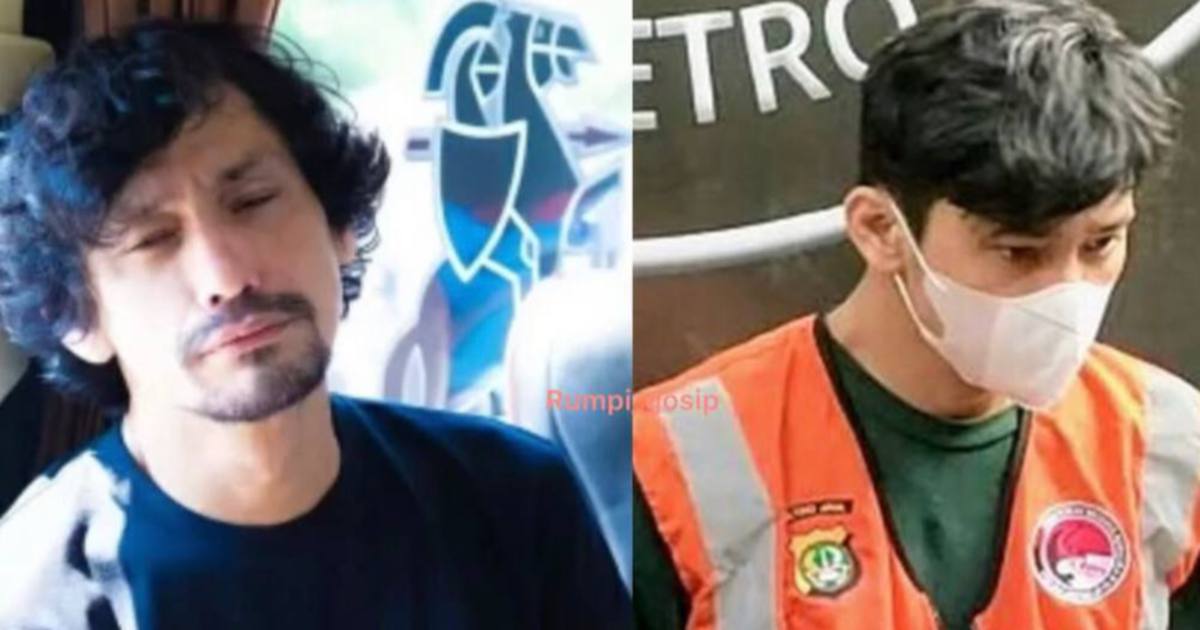
Indonesian actor Revaldo Fifaldi has been taken into custody once more, marking his fourth arrest on drug-related charges after authorities raided an apartment in South Jakarta. The detention, which occurred yesterday, underscores an increasingly worrying trajectory for the entertainment industry figure, whose repeated encounters with law enforcement have become a notable concern for Indonesian authorities tackling substance abuse within the entertainment sector.
The raid on the residential unit represents the latest in a series of interventions by Jakarta police targeting drug trafficking and consumption networks across the capital. South Jakarta, home to many entertainment industry professionals and affluent residents, has emerged as a particular focus for narcotics enforcement operations in recent months. The specificity of the arrest location suggests that police operations have become more targeted, moving beyond broad sweeps to focus on identified hotspots of drug activity.
Revaldo's repeated entanglements with the law raise significant questions about the nature of substance abuse treatment and rehabilitation in Indonesia, particularly for individuals in the public eye. Multiple arrests for similar offenses typically indicate either insufficient intervention between convictions or inadequate support systems for recovery. The pattern suggests that legal consequences alone have not deterred continued involvement, pointing to potential gaps in rehabilitation infrastructure or aftercare programmes available to detainees.
Indonesia maintains among the region's strictest drug laws, with mandatory minimum sentences and severe penalties for possession of controlled substances. The legal framework reflects the government's zero-tolerance stance on narcotics, particularly concerning drugs classified as category one substances. For repeat offenders like Revaldo, sentences tend to escalate with each conviction, potentially resulting in substantial prison time alongside hefty fines. This prosecutorial trajectory places the actor at risk of increasingly severe judicial outcomes.
The entertainment industry in Indonesia has faced mounting pressure regarding drug-related incidents involving public figures. Celebrity arrests generate significant media attention and public discussion, often sparking broader conversations about substance abuse culture within entertainment circles. These incidents inevitably affect industry reputation and raise uncomfortable questions about enablement, access, and the lifestyle pressures that may contribute to dependency among performers. Industry observers have noted that high-profile cases occasionally catalyse discussions about preventative education and corporate responsibility within production companies and talent management agencies.
For Malaysian audiences and Southeast Asian entertainment followers, Indonesian celebrity legal matters carry particular relevance given the region's interconnected entertainment ecosystem. Many Indonesian stars work across regional projects, and legal troubles can affect international opportunities, visa approvals, and professional partnerships. Furthermore, drug enforcement patterns in major regional capitals like Jakarta often influence policing strategies and public health approaches across neighbouring countries, including Malaysia, which maintains similarly stringent narcotics legislation.
The specific circumstances of yesterday's raid remain partially unclear, though the apartment location suggests possible indoor consumption rather than trafficking operations. Police statements typically accompany such detentions with inventories of seized substances and equipment, which help clarify the scale and nature of the alleged offence. The distinction between personal use quantities and distribution amounts carries critical implications under Indonesian law, potentially affecting sentencing severity and the specific charges ultimately filed.
Rehabilitation outcomes for repeat offenders in the Indonesian justice system present a complex picture. While detention provides opportunity for intervention, the effectiveness of prison-based treatment programmes remains contested among criminologists and public health experts. Without comprehensive aftercare support, psychological counselling, and community reintegration assistance, released individuals often face recidivism. For someone in Revaldo's position with access to financial resources, private treatment facilities might offer alternatives, yet his apparent repeated involvement suggests either limited utilisation of such options or insufficient commitment to recovery.
The broader context of drug enforcement in Jakarta reveals authorities' ongoing struggles with amphetamine-type stimulants and synthetic drugs, which dominate urban seizures. These substances carry particular appeal within entertainment and nightlife sectors, where performance demands and long working hours may increase susceptibility to stimulant use. The economic accessibility of such drugs compared to traditional narcotics also contributes to prevalence across income levels, contradicting assumptions that substance abuse exclusively affects economically marginalised populations.
Looking forward, Revaldo's case will likely proceed through Jakarta's court system with increased scrutiny given his criminal history. Bail prospects and trial timelines remain to be determined, though repeat offenders typically face higher bail amounts and reduced leniency in preliminary hearings. His fourth arrest creates significant legal jeopardy and threatens any remaining professional prospects within Indonesian entertainment. Industry associations and production companies often distance themselves from personalities facing serious criminal charges, effectively ending career trajectories regardless of ultimate legal outcomes.
The incident also highlights persistent challenges facing Southeast Asian governments in addressing substance abuse within middle and upper-income populations, where addiction frequently operates out of public view. Celebrity cases, despite their sensational nature, provide rare transparency into patterns that typically remain concealed in private settings. Revaldo's repeated detention offers an uncomfortable window into persistent drug availability in major urban centres and the limitations of current enforcement and treatment models in achieving lasting behavioural change among vulnerable individuals.

