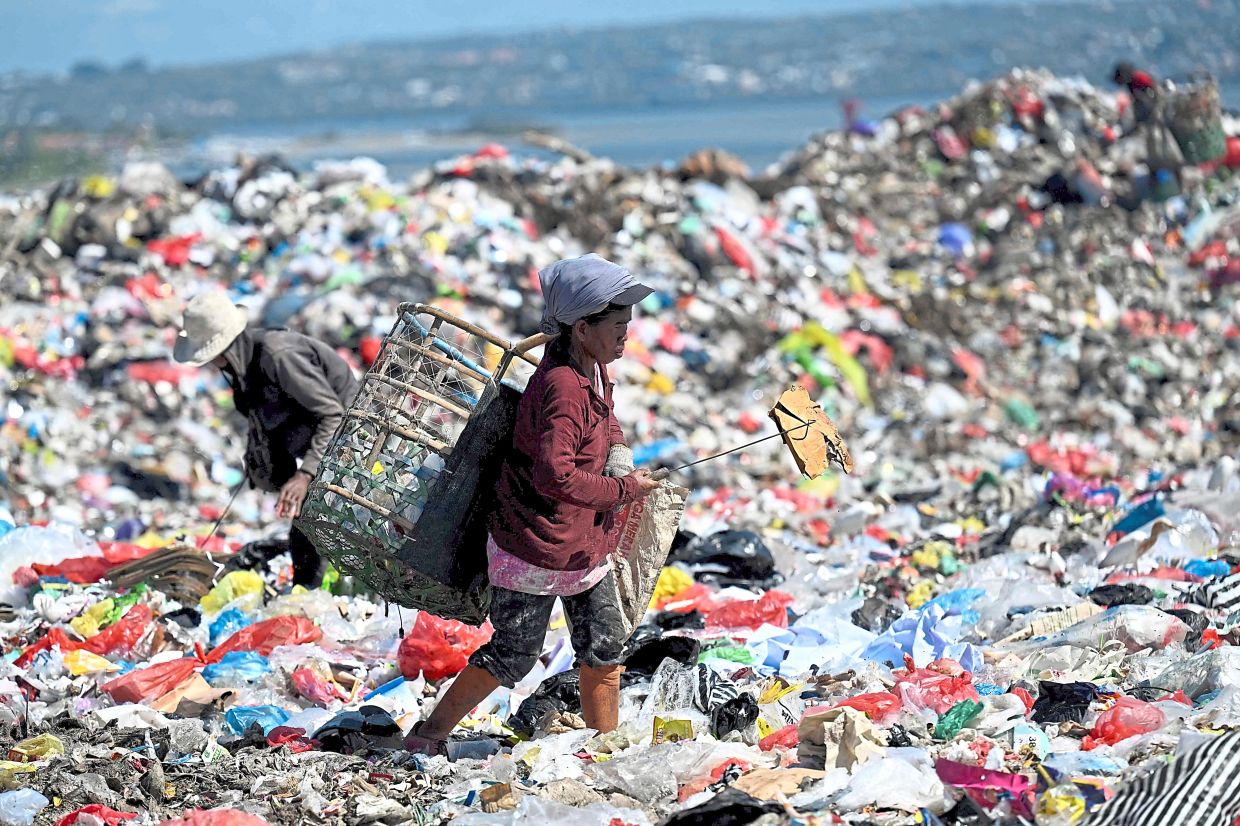
Indonesia has taken a significant step towards addressing its waste management crisis by opening ground on the nation's first waste-to-energy facility in Bali, signalling a strategic shift in how the country approaches both environmental protection and energy generation. The facility, formally inaugurated on Wednesday, July 8, in Pedungan Village, South Denpasar, represents the beginning of an ambitious programme to harness municipal waste as a renewable energy source, potentially transforming Indonesia's approach to two interconnected challenges: burgeoning waste production and the need for cleaner electricity supplies.
Rosan Roeslani, chief executive officer of Danantara Indonesia, unveiled the project during the groundbreaking ceremony, emphasising that the initiative emerged from a directive by President Prabowo Subianto to treat waste management as a collective responsibility requiring urgent intervention. The undertaking involves a partnership between Danantara Investment Management, a sovereign wealth fund, and Daya Energi Bersih Nusantara, a specialist project developer focused on sustainable energy solutions. This collaboration reflects the government's determination to marshal both public and private sector resources to implement large-scale infrastructure that addresses environmental imperatives while maintaining financial viability.
The Bali installation employs moving grate incinerator technology, a proven method widely utilised in waste-to-energy facilities across developed economies, particularly in Europe. The technology selection underscores Indonesia's commitment to adopting internationally recognised standards rather than deploying experimental or substandard approaches. Notably, the facility has been engineered to comply with the European Industrial Emissions Directive, a stringent framework governing air quality and environmental protection, demonstrating that Indonesia is not merely establishing disposal infrastructure but integrating best-practice environmental governance into its waste management strategy.
For Malaysian observers, the environmental credentials of this project merit close attention. The facility is projected to cut greenhouse gas emissions by up to 80 per cent per tonne of waste in comparison to conventional landfill disposal, a dramatic improvement that highlights the efficiency gains achievable through energy recovery from waste. As both countries grapple with similar challenges of rapid urbanisation and consumption patterns, Malaysia's own waste management sector could draw valuable lessons from Indonesia's approach, particularly regarding the technical and regulatory frameworks required to implement such facilities successfully.
The economic dimension of the project extends beyond environmental mitigation. Danantara projects that the construction and operational phases will generate approximately 1,200 green jobs, providing employment opportunities in a growing sector aligned with global sustainability trends. This job creation aspect carries particular significance for Indonesia, where the renewable energy and environmental technology sectors remain nascent compared to traditional industries. The development demonstrates that transitioning towards cleaner, more sustainable infrastructure need not come at the expense of employment; rather, properly structured projects can create stable, skilled employment whilst advancing environmental objectives.
The commercial framework supporting the facility underscores the importance of long-term regulatory certainty in attracting investment to infrastructure projects. During the groundbreaking ceremony, state-owned utility PLN and the project company executed a Power Purchase Agreement, securing a guaranteed buyer for electricity generated by the facility. This contractual arrangement reduces investment risk significantly, as it ensures predictable revenue streams independent of volatile spot market electricity prices. For the broader Southeast Asian region, such power purchase agreements have proven instrumental in unlocking capital flows towards renewable and alternative energy projects, and Indonesia's willingness to structure similar arrangements demonstrates policy maturity in renewable energy frameworks.
The scale of Indonesia's waste challenge underscores why such investments are strategically essential. The country generates more than 140,000 tonnes of waste daily, a staggering volume that existing landfill-based systems struggle to manage sustainably. Projecting these figures across time reveals that landfill capacity will become increasingly constrained, making waste-to-energy conversion not merely an environmental preference but an economic necessity. For Malaysia, which faces comparable urban waste generation pressures, understanding Indonesia's experience in transitioning away from landfill-dependent systems offers actionable intelligence for policymakers designing long-term waste management strategies.
The Bali facility represents the genesis of a nationally scaled programme rather than an isolated pilot project, indicating governmental commitment to replicating this model across multiple regions. This systematic approach differs from episodic environmental initiatives and suggests sustained investment in infrastructure transformation. The coordination between Danantara, as the financing entity, and Daya Energi Bersih Nusantara, as the technical developer, creates a template potentially applicable to other Indonesian cities facing acute waste management pressures, from Jakarta's sprawling metropolitan region to secondary cities experiencing rapid population growth.
Regionally, Indonesia's initiative carries symbolic weight within Southeast Asia's broader sustainability agenda. As the largest economy in the Association of Southeast Asian Nations by several measures, Indonesia's environmental policy choices influence regional standards and investor expectations. The successful implementation of this waste-to-energy facility, should it meet its technical and financial projections, could catalyse similar investments throughout the region, particularly in Vietnam, the Philippines, and Thailand, all of which confront comparable waste management dilemmas. The project thus transcends Indonesian boundaries and potentially shapes how Southeast Asian nations conceptualise the relationship between waste management and energy security.
Looking forward, the efficacy of the Bali facility will determine investor appetite for subsequent projects under Indonesia's national waste-to-energy programme. Performance metrics—including actual emissions reductions, electricity generation capacity factors, operational reliability, and job creation outcomes—will be closely monitored by both domestic and international stakeholders. Success could unlock substantial capital flows into Indonesia's environmental infrastructure sector, whilst setbacks might temper investor enthusiasm for comparable undertakings elsewhere in the region. For Malaysia and other neighbouring countries, tracking this project's progress will provide empirical evidence regarding the viability and cost-effectiveness of waste-to-energy technologies in tropical Southeast Asian contexts, potentially informing domestic policy decisions regarding waste management infrastructure investment.

