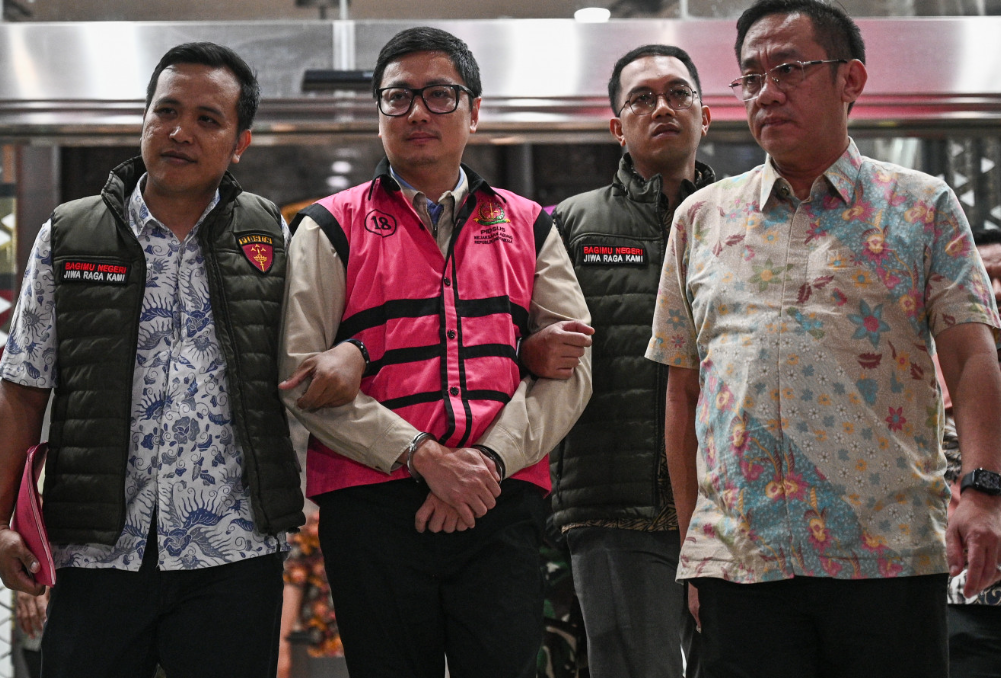
JAKARTA: Indonesian authorities have widened their graft investigation into the free nutritious meal programme with the arrest of two more individuals, taking the total number of suspects to five. The Attorney General's Office (AGO) on Friday arrested Andri Mulyono, a commissioner at logistics company PT Yasa Artha Trimanunggal (YAT), on suspicion of involvement in the corruption linked to the multitrillion-rupiah flagship initiative.
Andri is accused of inflating prices on approximately 21,000 electric motorcycles intended for kitchens serving the nationwide free meals programme, manipulating costs to match the Rp 1.03 trillion (US$58.2 million) budget ceiling set by the National Nutrition Agency (BGN). According to Syarief Sulaeman Nahdi, investigation director at the Office of Assistant Attorney General for Special Crimes, Andri purportedly benefited unlawfully through the artificially inflated procurement process.
Another suspect, businessman Asep Yusuf Somantri, was previously apprehended by investigators. He is accused of exploiting his connection to former BGN deputy Sony Sonjaya to interfere in the partner verification system for the free meals scheme, enabling him to manipulate kitchen registrations and approve applications beyond the official deadline. The inquiry began following the arrests of Sony, fellow former deputy Lodewyk Pusung and ex-head Dadan Hindayana on June 3, shortly after President Prabowo Subianto dismissed them from their roles.
Authorities are preparing to re-examine Sony's petition for justice collaborator status, which would involve him disclosing approximately 20 additional individuals allegedly implicated in the scheme. The expanding probe reflects growing scrutiny of the programme, which serves over 80 million schoolchildren and pregnant women but has been shadowed by operational difficulties and allegations of mismanagement.
Public frustration peaked this week when students organised a protest labelled #MenujuIndonesiaBangkrut (Indonesia heading for bankruptcy), demanding suspension of the meals initiative and citing it as a misallocated priority given the country's currency pressures. The programme has also faced criticism over reported mass food-poisoning incidents and implementation challenges. In response, Government Communications Agency head Muhammad Qodari reiterated Saturday that the initiative would persist, characterising it as essential for addressing malnutrition despite inevitable operational difficulties.