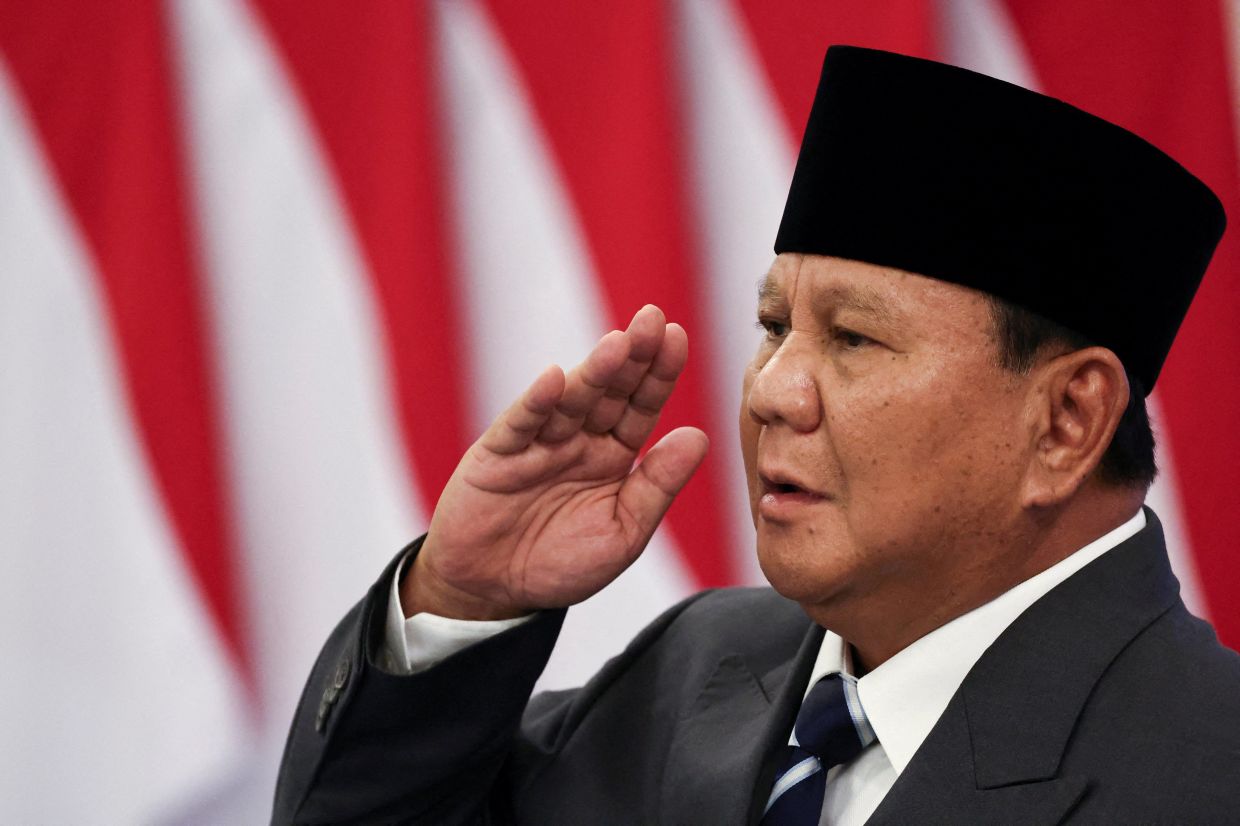
Indonesia's defence ministry has substantially modified its basic military training regimen for candidates seeking to manage village cooperatives under President Prabowo Subianto's flagship development initiative, following the deaths of five participants during the opening phase of the 45-day instruction period. The restructuring, confirmed by defence ministry spokesperson Rico Sirait on Tuesday (June 30), comes after a review prompted by the fatalities that occurred between June 17 and June 26 as the training programme entered its third week.
The village cooperative scheme, formally known as the "Red and White Cooperatives" programme and initiated in July of the previous year, represents a centrepiece of Prabowo's economic agenda. The initiative seeks to establish approximately 80,000 cooperative units across the archipelago, with the primary objective of generating employment opportunities and contributing to the government's ambitious goal of achieving 8% economic growth by 2029. These cooperatives are designed to distribute essential commodities, including subsidised cooking gas and fertiliser, throughout rural communities.
The defence ministry commenced training operations on June 14, enrolling nearly 35,000 prospective cooperative managers across several regional military training facilities. The programme was originally scheduled to conclude on July 31, with successful completion mandated as a prerequisite for management positions. The scale of the initiative—training tens of thousands of civilians across the nation within a compressed timeframe—presented significant logistical and supervisory challenges that became apparent only after the initial deaths.
The five fatalities attributed to diverse medical causes including cardiac arrest, heat stroke, tuberculosis, and pneumonia raised immediate questions about the appropriateness of subjecting civilians to intensive military conditioning. Although the defence ministry had previously asserted that all participants underwent medical screening before enrolment and that the training did not constitute a strenuous physical undertaking, the concentration of deaths in such a compressed timeframe prompted urgent intervention from multiple stakeholders.
Under the revised training framework, the defence ministry has eliminated tactical and firearms components entirely, removing shooting activities that had formed part of the original curriculum. The physical demands placed upon participants have been substantially reduced and recalibrated to reflect their civilian status and varying fitness levels. Sirait clarified that the restructured programme now prioritises character development, instilling organisational discipline, cultivating leadership capabilities, and fostering collaborative partnerships among future cooperative managers—objectives that can be achieved through classroom instruction and structured discussion rather than arduous physical conditioning.
This recalibration reflects a broader tension within the cooperative programme itself. While the defence ministry's involvement suggests an intention to instil military-style organisational discipline within civilian economic structures, the deaths demonstrated the incompatibility of traditional military training protocols with a demographically diverse cohort of civilians recruited from agricultural and rural backgrounds. Many prospective managers likely lacked the fitness baseline or medical resilience necessary to withstand the intensity of standard defence force conditioning programmes.
The response from Indonesia's human rights commission, which called on the government to terminate basic military training entirely, indicates growing concern about the use of defence ministry resources for civilian economic development. The commission's position suggests that even the revised, less intensive version may not address fundamental questions about whether military training institutions represent the appropriate framework for cultivating cooperative management skills. These concerns align with broader international scrutiny regarding civilian-military boundaries in governance structures.
The cooperative programme itself enjoys significant political importance within Prabowo's broader economic vision, making a complete abandonment unlikely despite the human rights commission's position. However, the modifications introduced following the fatalities signal that the government recognises the need to balance its development ambitions with practical constraints and safety imperatives. The removal of military-style physical conditioning and tactical training substantially transforms the character of the preparation curriculum, shifting emphasis toward transferable soft skills in leadership and organisational management.
For Malaysia and other Southeast Asian nations observing Indonesia's policy innovations, the cooperative programme presents both instructive lessons and cautionary insights. The initiative demonstrates Jakarta's commitment to inclusive economic development and employment creation through decentralised cooperative structures—an approach with potential relevance across the region where rural economic development remains a policy priority. Simultaneously, the training fatalities underscore the risks inherent in applying institutional structures designed for one purpose to fundamentally different contexts and populations.
The modifications also reflect Indonesia's responsiveness to domestic human rights advocacy and public concern when implementation challenges emerge. While the initial training design proved problematic, the defence ministry's willingness to substantially restructure the programme indicates institutional flexibility and acknowledgement that development programmes must adapt when implementation reveals unforeseen consequences. Whether the revised curriculum proves adequate to develop cooperative management capacity while remaining faithful to the original programme's objectives will emerge as the training continues through July.
The government's broader commitment to the cooperative programme structure remains intact despite the training setback. Officials have emphasised that the fundamental cooperative model—establishing widespread village-level economic entities focused on commodity distribution and employment generation—continues to constitute the centrepiece of efforts to meet the 8% growth target by 2029. The training modifications represent a tactical adjustment to implementation rather than a reconceptualisation of the programme's strategic importance within the administration's economic planning.

