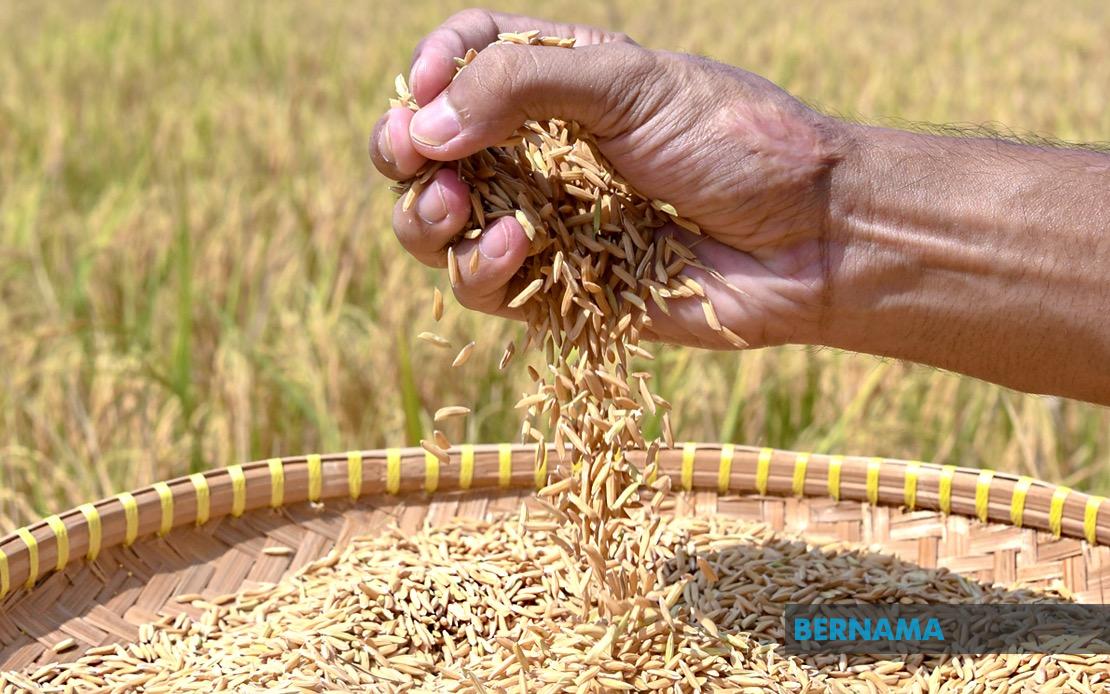
Indonesia's state-owned logistics agency Bulog is actively pursuing rice export agreements with both Malaysia and Singapore, signalling Jakarta's determination to leverage its agricultural output in regional markets. The discussions, which remain centred on finalising pricing structures and commercial conditions, reflect broader efforts by Southeast Asia's largest economy to position itself as a dependable rice supplier during a period of global grain market volatility.
Bulog president director Ahmad Rizal Ramdhani disclosed that negotiations with Malaysia over a proposed 200,000-tonne shipment continue to revolve around agreeing on a final price point acceptable to both parties. The agency has also been in active communication with Singapore regarding a smaller but still significant consignment of 10,000 tonnes. These conversations represent a meaningful contribution to regional food security arrangements, particularly given Malaysia's substantial rice consumption and Singapore's reliance on imports for most of its staple grain requirements.
The timeline for advancing these negotiations remains fluid, with Ramdhani indicating that Bulog awaits confirmation that Malaysia is prepared to receive an Indonesian delegation to finalise outstanding details. Rather than interpreting this as a stalled process, the cautious approach reflects the complexity of coordinating high-level agricultural trade between neighbouring nations, where domestic political considerations and farmer interests weigh heavily on decision-making. Bulog has signalled its commitment to maintaining momentum through regular communications with both counterparts.
The 10,000-tonne Singapore agreement stems from bilateral discussions held on June 29 between Indonesia's Agriculture Minister Andi Amran Sulaiman and Singapore's Sustainability and the Environment Minister Grace Fu in Jakarta. These ministerial-level conversations underscored the strategic importance both governments attach to securing reliable food supply chains in an era of climate uncertainty and supply chain disruptions. Singapore's interest in Indonesian rice reflects the city-state's ongoing efforts to diversify its import sources and reduce concentration risk.
Crucially, Indonesia's approach to these export negotiations is governed by clear policy parameters set at the presidential level. President Prabowo Subianto has instructed that any rice export agreement must be structured to protect Indonesian farmers and advance the nation's broader economic interests. This directive ensures that export deals will not undermine domestic agricultural livelihoods or compromise Indonesia's food security position, a concern that remains politically sensitive given the farming sector's electoral importance and the legacy of rice price volatility affecting household budgets.
The proposed exports are significant in quantitative terms but must be understood within Indonesia's total production capacity and domestic consumption needs. At approximately 210,000 tonnes collectively, these shipments represent a manageable portion of Indonesia's rice output, allowing the country to service regional demand without jeopardising food availability for its own 270-million-strong population. This balance is essential to Indonesia's willingness to engage in these negotiations at all.
For Malaysia, securing Indonesian rice supplies carries strategic weight beyond immediate food security considerations. The arrangement would diversify Malaysia's rice sourcing away from traditional suppliers like Thailand and Vietnam, reducing vulnerability to supply disruptions or price fluctuations in any single source country. Malaysian policymakers have increasingly emphasised the importance of such diversification following global supply chain disruptions and the instability in global grain markets in recent years.
Singapore's participation in these negotiations, while involving smaller volumes, reflects the republic's systematic approach to food security despite its physical constraints. By establishing formal supply relationships with neighbouring producers like Indonesia, Singapore strengthens its resilience against unexpected supply shocks and positions itself as a buyer that can be served reliably by ASEAN partners, reinforcing regional economic interdependence.
The emphasis on pricing negotiations underscores the economic sensitivities involved in regional grain trade. Both Malaysia and Singapore seek competitive rates that reflect their purchasing power and budget constraints, while Indonesia must ensure its farmers receive remunerative prices that justify continued investment in rice cultivation. Finding the equilibrium point where both buyer and seller interests align requires substantive negotiation and often represents the final hurdle in finalising commodity trade agreements of this scale.
These discussions occur against a backdrop of evolving regional agricultural trade patterns. As climate change, population growth, and urbanisation reshape production and consumption across Southeast Asia, countries are increasingly formalising bilateral and multilateral food arrangements to manage mutual dependencies. Indonesia's initiative to supply Malaysia and Singapore reflects this structural shift toward more deliberate food security cooperation among ASEAN members.
The progress of these negotiations will likely influence broader discussions about regional food trade frameworks. Success in finalising the Malaysia and Singapore deals could encourage similar arrangements with other import-dependent neighbours and establish a template for how Indonesia manages its agricultural export potential while safeguarding farmer welfare. Conversely, protracted negotiations might signal the continued complexity of aligning diverse national interests in commodity trade, even among geographically proximate and economically integrated neighbours.

