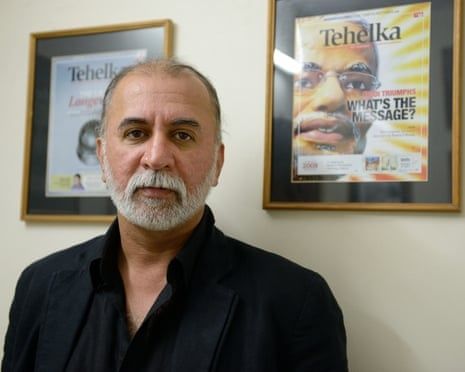
A senior Indian court has delivered a significant guilty verdict in a high-profile sexual assault case that captured national attention, convicting Tarun Tejpal, the 63-year-old founder and former editor of investigative news publication Tehelka magazine, of raping a junior journalist. The Bombay High Court's decision on Thursday overturned a trial court acquittal handed down three years earlier, representing a remarkable reversal in a case that had languished through India's often-slow judicial system since the alleged incident in November 2013.
The accusations centre on an alleged assault that took place in the lift of a luxury hotel in Goa during a professional gathering. The complainant, a young female journalist who worked at the magazine, reported that Tejpal had attacked her in the confined space of the elevator. After his arrest and seven months in custody, Tejpal was released on bail by India's Supreme Court, and he has consistently rejected all allegations brought against him throughout the proceedings.
The journey through the courts has been lengthy and unpredictable. In 2021, a trial court in Goa delivered a surprising acquittal, clearing Tejpal of rape charges as well as allegations of sexual harassment and wrongful restraint. This decision appeared to close the matter, yet it proved contentious enough that the Goa government mounted a challenge before the higher court. That appeal has now borne fruit with the Bombay High Court's conviction, demonstrating that the outcome of sexual assault cases in India can shift significantly depending on which judicial level examines the evidence.
Sunita Sawant, the Goa Police investigator who oversaw the original investigation, welcomed the conviction as a watershed moment. Speaking to journalists after the verdict, she framed the decision as vindication for the complainant's courage in pursuing her claim through India's legal system. Sawant highlighted the broader significance of the judgment, emphasising that the ruling sends an important signal to women working across all sectors that courts will take their allegations seriously and that coming forward with accusations carries meaning and consequence.
The timing of Tejpal's case proved deeply resonant within India's national conversation about sexual violence. The alleged 2013 assault occurred just over a year after the fatal gang rape of a 23-year-old student aboard a New Delhi bus in December 2012, an attack that shocked the nation and sparked enormous public demonstrations. That brutal incident triggered international scrutiny of India's approach to handling rape and sexual assault, ultimately prompting the government to enact stronger protections under the country's rape laws and broaden the legal framework surrounding sexual crimes.
Tejpal's conviction carries particular symbolism because it involves Tehelka magazine, a publication that had positioned itself as a champion of investigative journalism and social justice causes, including women's rights advocacy. The magazine had cultivated a reputation for holding powerful institutions accountable and exposing wrongdoing across Indian society. The revelation that the publication's own founder and editor had been accused of such serious crimes created a painful contradiction that proved impossible to ignore, severely undermining the magazine's credibility and moral authority.
The magazine's trajectory since 2013 illustrates the lasting damage inflicted by the scandal. Although Tehelka has continued operating under new leadership, it has struggled to recover the influence and prestige it commanded in its earlier years. The publication has found itself unable to regain the platform and persuasive power it enjoyed before the allegations emerged, as the credibility crisis that followed the accusations has left lasting scars on the brand itself. The magazine's struggle reflects a broader truth about institutional trust: when leaders of organisations promoting social justice are implicated in the very wrongs they claim to oppose, the damage extends far beyond the individual involved.
Tejpal maintains his innocence and possesses the legal right to pursue an appeal against the High Court's verdict through higher judicial channels. The appeals process could extend the proceedings further, and India's court system has historically moved slowly on such matters. Sentencing is scheduled to occur later on Thursday, though the precise penalty he faces remains to be determined. Given the conviction's reversal of an earlier acquittal, the case illustrates how evidence and legal interpretation can yield vastly different conclusions at different levels of judicial review.
The conviction carries implications beyond the immediate parties involved. For Malaysian observers and readers across Southeast Asia, the case underscores persistent challenges that plague judicial handling of sexual assault accusations in the region's larger neighbour. India's slow progress in delivering justice, the vulnerability of complainants to lengthy legal proceedings, and the challenges women face in securing convictions in sexual violence cases remain systemic concerns that extend well beyond this particular high-profile instance, suggesting that significant gaps persist between substantive legal reforms and their effective implementation in courtroom practice.

