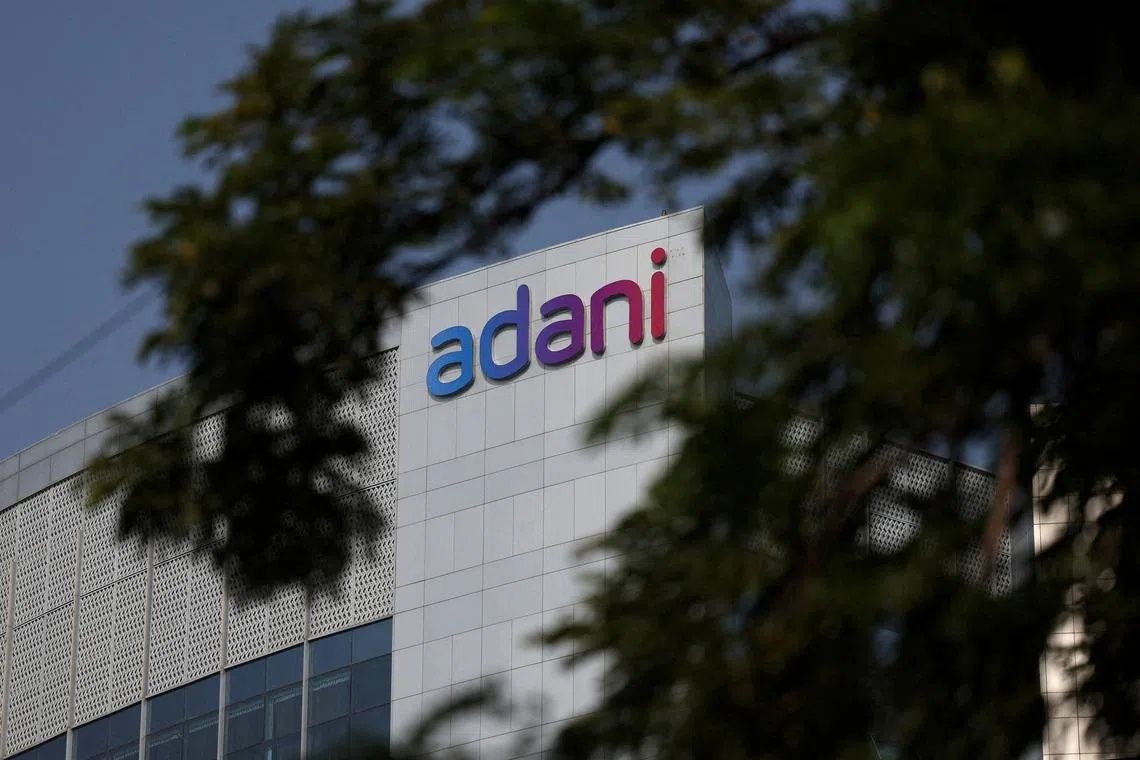
India's customs authorities have thrown their weight behind the nation's health ministry in confronting the Adani Group over the commercial distribution of nicotine pouches through duty-free retail outlets at airports. The escalating regulatory action underscores tensions between a major business conglomerate's commercial interests and public health enforcement, with customs officials rejecting the company's assertion that international departure areas operate beyond the reach of domestic law.
The conflict gained momentum following a March inspection at Mumbai's international airport, where health officials discovered nicotine pouches being sold at duty-free shops operated by Adani entities, determining the practice violated Indian regulations. Rather than accepting the finding, the Adani Group initiated litigation at Mumbai's High Court to challenge the decision, effectively forcing a judicial examination of the boundaries between customs privileges and regulatory authority.
In a June 22 filing submitted to the court, customs authorities dismantled the company's legal position by clarifying that the tax-exempt status governing duty-free commerce operates solely within the narrow framework of customs tariffs. "The concept of goods being 'outside customs frontiers' for taxation purposes does not grant immunity from regulatory controls," the department stated, establishing that exemptions from import duties carry no corresponding exemption from health and safety legislation.
Adani's legal strategy has centred on the territorial argument that shops located in international departure zones fall outside Indian regulatory jurisdiction because passengers are departing the country. The company submitted a July 13 filing suggesting that customs officials had overstepped by demanding cessation of sales without issuing formal warning notices, thereby questioning the procedural legitimacy of the enforcement action itself. This position reflects a broader commercial calculation that the nuances of international travel law might provide sanctuary for products banned within India's borders.
The Adani Group has also advanced an interpretative argument about the nature of duty-free purchases, contending that nicotine pouches sold to departing passengers exist under a specific legal framework requiring goods to be sealed and unused until the buyer exits Indian territory. This construction attempts to recharacterise the transaction as something other than a sale within India, despite the obvious reality that customers physically acquire and take possession of merchandise within the airport premises.
Customs authorities have rapidly dispatched this reasoning as legally unsustainable, noting that once passengers obtain possession of duty-free goods, they become free to consume them whenever they choose, including before departing Indian airspace. The regulatory position essentially holds that the moment of purchase and possession matters more than the location of consumption or the stated intentions underlying sealed packaging conventions.
Nicotine pouches represent one of the world's fastest-expanding nicotine products, capturing market share among consumers seeking alternatives to traditional tobacco. Philip Morris, which markets the Zyn brand globally, reported that American sales doubled year-on-year in 2024 compared with 2023, reflecting the category's explosive growth momentum. However, despite this international popularity, India has maintained an unapproved status for the products, placing them outside the regulatory framework governing legal nicotine distribution.
Adani's involvement in the duty-free category carries strategic significance within the company's broader airport expansion agenda. The conglomerate currently operates eight airports across India and has committed to an ambitious United States $11 billion capital expansion programme that explicitly targets growth in duty-free retail operations as a revenue driver. Nicotine pouches, given their popularity and price point advantages within duty-free environments, likely represent a meaningful component of this commercial strategy.
Trade data reveals the scale of Adani's commitment to the category, with the company importing Swedish Smokeless Solutions products including Zyn and White Fox brands valued at more than $35,000 since August. These imports suggest systematic planning to establish a sustained inventory of products for distribution through airport retail channels, indicating this was not an incidental or exploratory initiative but rather a deliberate commercial enterprise.
For Malaysian and broader Southeast Asian readers, the dispute illuminates broader questions about regulatory authority in globally integrated commerce and the tensions between international business interests and domestic public health mandates. Several Southeast Asian airports similarly operate duty-free zones and wrestle with balancing commercial opportunities against health priorities. The case also reflects India's increasingly assertive stance on public health regulation, potentially influencing how other regional governments assess similar products and retail models.
The legal proceeding scheduled for July 28 will likely establish important precedent regarding the scope of health regulations within international zones and whether companies can leverage territorial arguments to circumvent domestic law. The outcome may reshape how Indian authorities approach other products sold through similar channels, particularly novel nicotine and pharmaceutical products that occupy regulatory grey areas. For Adani, the litigation represents a significant test of whether commercial privileges extend to regulatory immunity, or whether such exemptions remain strictly bounded to customs taxation.

