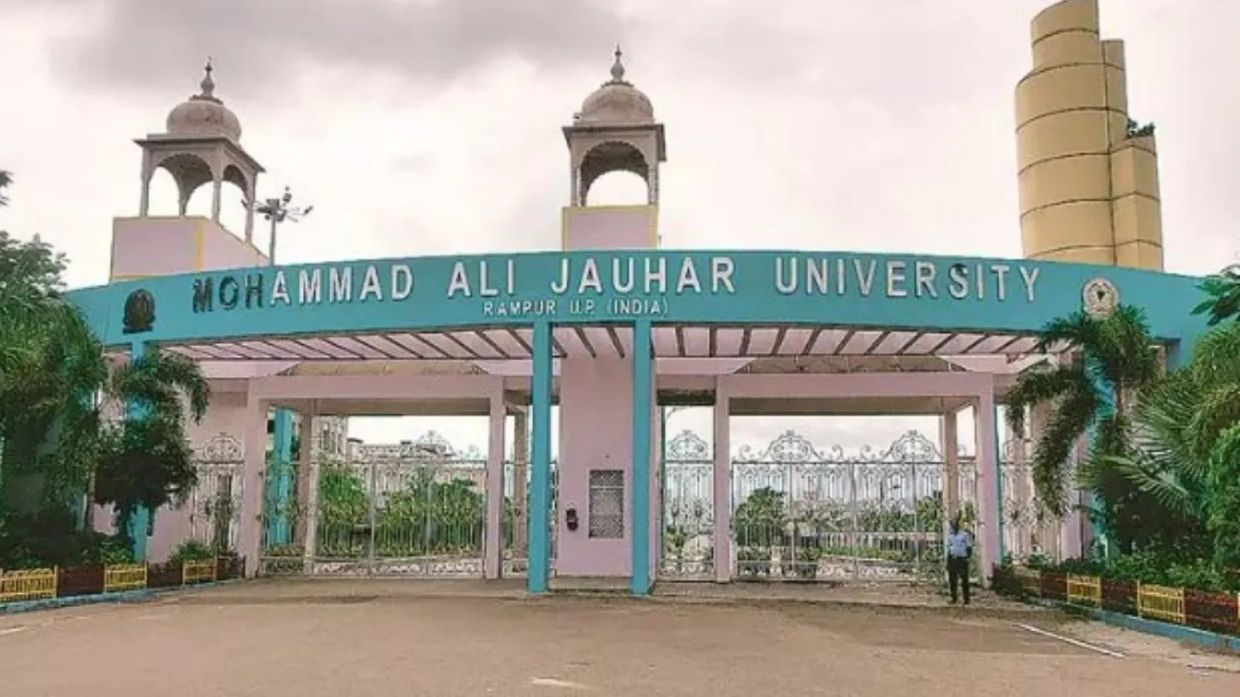
The Rampur Development Authority in the northern Indian state of Uttar Pradesh has issued a sweeping demolition order affecting nearly all major structures on one of the region's educational campuses. On Wednesday, July 15, local authorities directed the removal of 38 out of 40 buildings at Mohammad Ali Jauhar University, a sprawling 250-acre institution situated in Rampur city. The order cites alleged unauthorised construction as the primary reason for the action, though the move has drawn scrutiny given the university's controversial origins and the current imprisonment of its founder.
Mohammad Ali Jauhar University carries significant historical weight in its naming, bearing the moniker of a towering figure in India's independence struggle. The institution was established in 2006 by Azam Khan, a politician who rose to prominence in Uttar Pradesh politics and previously served as a state minister. Khan's political trajectory reflects the complex landscape of Indian state politics, where power has shifted dramatically across decades and administrations. His rise coincided with the dominance of the Samajwadi Party, which governed Uttar Pradesh from 2012 until its electoral defeat in 2017 at the hands of the Bharatiya Janata Party.
Azam Khan earned a reputation as one of India's most accomplished public speakers and remained a significant figure within his community for years. However, his political fortunes deteriorated sharply following the change in state government. Today, Khan finds himself incarcerated following a court conviction in a case involving forged documents. His son, Abdullah, shares his imprisonment in connection with the same matter. The legal troubles that have befallen the family extend beyond these convictions, affecting multiple family members through various cases navigating India's court system.
The situation has become more complicated as Khan's wife, Tazeen Fatima, was herself detained in relation to a birth certificate case. Though she has since secured bail and regained her freedom, the accumulation of legal challenges across the household underscores the severity of scrutiny directed toward the family. The Khan family has consistently maintained that the cases arrayed against them represent a coordinated political vendetta rather than legitimate legal proceedings. This assertion resonates within certain political circles and among supporters who view the prosecutions as instruments of political settlement between rival parties.
The timing and scope of the university demolition order inevitably invites questions about the interplay between legal procedure and political motivation. The 250-acre campus represents a substantial educational investment and infrastructure commitment that would require significant resources to construct. The involvement of the Rampur Development Authority in ordering the removal of nearly all buildings suggests a comprehensive reassessment of the institution's compliance with construction regulations. Whether the inspection and enforcement process has been conducted with consistent rigor across comparable projects in the region remains a question for independent observers.
For Malaysian readers and Southeast Asian observers, this situation illuminates recurring tensions within Indian federalism and state governance structures. The concentration of power at the state level means that shifts in political control can trigger cascading consequences for institutions and individuals associated with defeated administrations. The Mohammad Ali Jauhar University case exemplifies how educational institutions, which ought to remain insulated from political vicissitudes, can become entangled in broader political conflicts when their founding and operations become intertwined with individual politicians.
The educational implications warrant attention as well. The university serves students and academic programs that have little connection to the administrative disputes at the institutional level. A demolition order affecting 38 of 40 buildings raises practical concerns about the continuity of educational services, library facilities, laboratories, and student accommodation. The order, if executed fully, would fundamentally disrupt teaching and learning operations regardless of the legal merits underlying the construction violation allegations.
The case also reflects broader patterns within Indian bureaucratic systems where regulatory enforcement can operate selectively. The identification of unauthorised construction at this particular institution, while potentially legitimate on technical grounds, occurs within a context where similar violations might be overlooked, regularised, or addressed through alternative mechanisms at other locations. This selective application of regulations, whether intentional or structural, feeds public perception of political influence on administrative decision-making.
Going forward, the trajectory of this situation will depend on multiple factors including appellate court interventions, potential political negotiations, and whether the university can demonstrate retroactive compliance through modified structures or alternative arrangements. The case serves as a reminder that in South Asia's political ecosystems, institutions founded during one political era can face existential challenges when power shifts to rival factions. For stakeholders in Malaysia and across the region, the Mohammad Ali Jauhar University demolition order underscores the importance of institutional independence and regulatory predictability in protecting educational infrastructure from becoming collateral damage in political contests.

