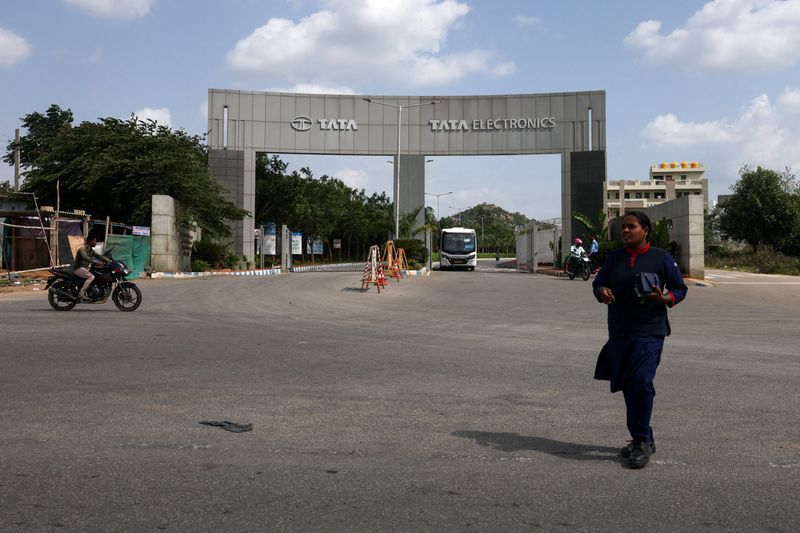
India's Ministry of Electronics and Information Technology has launched a formal investigation into a major data breach at Tata Electronics, one of Apple's primary manufacturing partners in the country, after confidential documents relating to the unreleased iPhone 18 Pro were compromised and circulated online. S. Krishnan, the ministry's IT secretary, confirmed the probe on Thursday in New Delhi, marking the Indian government's first public acknowledgment of the incident that has exposed highly sensitive trade secrets to a ransomware group operating on the dark web.
The stolen data represents a significant security incident with potentially far-reaching consequences for Apple's supply chain operations across Asia. According to reports, the breached materials include at least six distinct files containing detailed information about which companies manufacture specific components for the upcoming iPhone 18 Pro and Pro Max models. This level of granularity in component sourcing is particularly damaging because Apple does not typically disclose such supplier-specific production details in its publicly available supplier list, giving the company considerable competitive advantage by keeping this information confidential.
The compromised materials extend beyond simple component lists and supplier names. Photographs of the iPhone 18 Pro models themselves have been posted on dark web forums by the ransomware operators, providing visual documentation of the device's design and physical characteristics months before Apple's anticipated September launch. This dual exposure—combining technical specifications with visual documentation—represents an unusually comprehensive intelligence gathering operation against one of the world's most secretive and security-conscious technology companies.
Tata Electronics' role as Apple's Indian manufacturing partner places this breach at a critical juncture in the global smartphone supply chain. Apple has been systematically diversifying its manufacturing footprint away from China, with India becoming an increasingly important production hub for iPhone assembly and component manufacturing. The exposure of supplier relationships and production details undermines the strategic value of this geographical diversification by allowing competitors and other interested parties to map out Apple's alternative supply networks and understand how the company is restructuring its manufacturing operations.
The incident has triggered a broader security response across Tata's operations. The conglomerate has engaged international forensic consultants to conduct comprehensive audits of its systems and procedures following the discovery that the same ransomware operators also accessed and released confidential documents from other major technology firms including Tesla, Qualcomm, and TSMC. This pattern of attacks against multiple high-profile semiconductor and technology companies suggests a sophisticated, well-resourced criminal operation targeting the most sensitive areas of the global electronics manufacturing ecosystem.
India's Computer Emergency Response Team, the nation's primary agency responsible for cybersecurity incident response and digital infrastructure protection, has been formally notified of the breach. This escalation to government-level coordination reflects the significance of the incident and the potential implications for India's position as an emerging manufacturing hub for global technology giants. The government's active engagement signals official concern about protecting critical manufacturing infrastructure and maintaining India's attractiveness as a secure alternative to Chinese manufacturing capacity.
The timing of this breach carries particular significance given Apple's reliance on multiple manufacturing partners to produce the iPhone 18 Pro ahead of its expected September release. Any delay or disruption resulting from the security investigation could potentially impact production schedules, though Apple has built considerable redundancy into its supply chain to mitigate such risks. The exposure of supplier information, however, could enable competitors to identify gaps in Apple's sourcing strategy or attempt to poach key suppliers by understanding exactly which companies are producing which components.
For Malaysian and regional technology sectors, this incident underscores the vulnerability of integrated supply chains to sophisticated cyber threats targeting manufacturing partners. As companies like those in Malaysia's own electronics manufacturing sector increasingly become part of global technology supply chains, the Tata breach serves as a cautionary example of the risks associated with handling highly sensitive intellectual property and supplier relationship data. Many Malaysian electronics manufacturers and contract manufacturers similarly handle confidential information for major technology companies, making this incident directly relevant to regional business leaders and policymakers.
The breach also raises questions about cybersecurity standards and practices at major contract manufacturers in Asia. Tata Electronics, while a prestigious company, has now been demonstrated to be vulnerable to the same ransomware threats affecting much larger technology firms. This suggests that the sophistication of modern cyber attacks has reached a level where company size and reputation alone do not guarantee protection against determined, well-funded criminal organizations. Regional manufacturers must reassess their cybersecurity investment levels and implement more stringent data protection measures to safeguard sensitive client information.
The ransomware group's decision to target multiple companies across the technology and semiconductor sectors suggests a deliberate strategy to maximize extortion value by threatening to release damaging information. Apple's extreme sensitivity to product secrecy and the competitive advantage gained from undisclosed supplier relationships mean that the company faces particular pressure to resolve the matter quickly. The exposure of iPhone 18 Pro details, however, means that the damage has already occurred regardless of any negotiated settlement between Apple, Tata, and the criminal actors.
Looking forward, this incident will likely accelerate discussions within India's government about strengthening cybersecurity requirements for companies handling sensitive international technology intellectual property. As India positions itself as a counterweight to China in the global manufacturing landscape, protecting the security and confidentiality of operations conducted by multinational technology companies becomes strategically important. The government's swift public acknowledgment of the investigation, while maintaining appropriate confidentiality about specific details, demonstrates India's commitment to addressing such incidents professionally and seriously.

