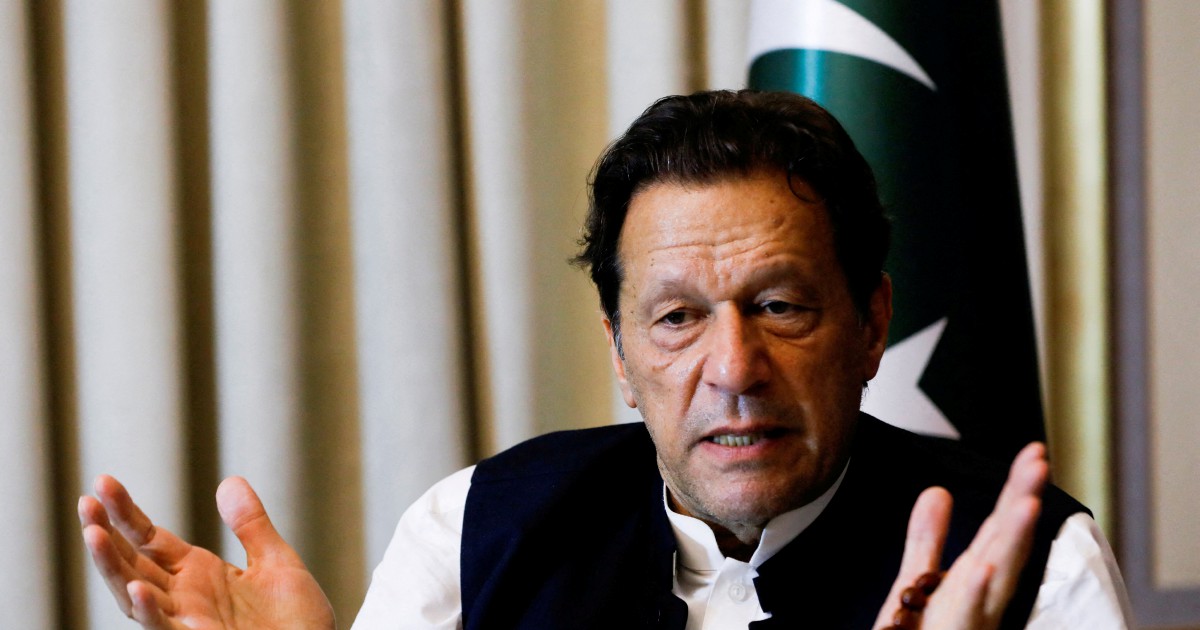
Imran Khan, the former head of Pakistan's government who transformed the nation's cricket landscape before entering politics, has been returned to detention following a medical evaluation conducted at a healthcare facility in Islamabad. The move occurred on Friday pursuant to judicial directives, according to statements from senior officials familiar with the matter. This development underscores the continuing legal pressures facing the high-profile politician, whose career trajectory from sporting legend to controversial political figure has captivated regional observers.
The court-ordered medical assessment represents a procedural requirement within Pakistan's detention framework, whereby authorities periodically evaluate the health status of individuals held in custody. Such examinations serve multiple purposes within the judicial system, including documentation of a detainee's physical condition and compliance with international standards regarding prisoner welfare. The timing and nature of this particular medical check suggest ongoing scrutiny of Khan's situation by Pakistan's legal establishment.
Imran Khan's detention continues a protracted phase of political turbulence that commenced following his ouster from the premiership. The cricketer-turned-politician, who led Pakistan to World Cup victory in 1992 and subsequently founded the Pakistan Tehrik-e-Insaf (PTI) party, has faced mounting legal challenges. These proceedings have generated considerable controversy domestically and internationally, with observers noting the intersection of political, judicial, and security considerations that have characterized his case.
The circumstances surrounding detainees in Pakistan's judicial system have drawn scrutiny from international human rights organizations and foreign governments, particularly regarding the transparency of legal proceedings and the treatment of high-profile political figures. Khan's situation exemplifies broader tensions within Pakistan's institutional framework, where the military, judiciary, and political establishment navigate complex power dynamics. His continued detention raises questions about the nature of justice and political reconciliation in the country.
For Southeast Asian observers, Khan's predicament offers instructive parallels to regional experiences with political detention and judicial processes involving former leaders. Malaysia's handling of its own political transitions and legal proceedings against prominent figures provides a comparative lens through which to examine institutional independence and the rule of law. The region has witnessed multiple instances where courts have navigated sensitive cases involving powerful political actors, making Khan's situation of analytical interest beyond Pakistan's borders.
The returning of Khan to custody after medical evaluation suggests the judicial process continues its deliberate course. Pakistani authorities have not publicly disclosed specific allegations or charges in detail, creating an information vacuum that fuels international speculation and domestic political discourse. This opaqueness raises questions about procedural fairness and the availability of due process protections, matters that resonate throughout South Asia and beyond.
Khan's PTI party maintains significant grassroots support despite his detention, complicating the political landscape and potentially influencing how authorities manage his case. The party's organizational strength and electoral history suggest that his legal situation carries political consequences extending beyond his personal circumstances. Pakistani politics remains volatile, with Khan's status as either a detained politician or a future political force depending substantially on judicial outcomes.
The medical examination itself, while routine within detention protocols, acquires political significance given Khan's profile. International observers, including diplomatic missions and civil society organizations, monitor such procedural details as indicators of whether detainees receive adequate care and whether legal frameworks operate fairly. Any perceived irregularities or concerns about access to medical treatment can amplify criticism of Pakistan's judicial and security systems.
Regional stability considerations also factor into assessments of Khan's situation, as political instability in Pakistan inevitably influences broader South Asian dynamics and potentially affects maritime commerce, security cooperation, and refugee flows that touch Southeast Asian interests. A stable, predictable legal process managing high-profile cases contributes to institutional credibility and investor confidence, factors important for Pakistan's development trajectory.
The absence of definitive public timelines regarding Khan's case resolution reflects either genuine judicial complexities or deliberate ambiguity—a distinction that observers find difficult to determine. Either interpretation raises governance concerns. Pakistan's capacity to manage contentious political cases transparently and fairly will influence how both domestic and international audiences perceive the country's commitment to constitutional democracy and rule of law.
Imran Khan's ongoing detention and the routine procedures attending it, including medical examinations and remand renewals, will likely persist as focal points for political advocacy, journalistic scrutiny, and international commentary. Whether his case concludes through legal vindication, negotiated settlement, or prolonged detention remains uncertain. For now, his return to custody following medical assessment continues a cycle that defines contemporary Pakistani politics—one where institutional authority, political power, and judicial process intersect with consequences extending across South Asia's political economy.

