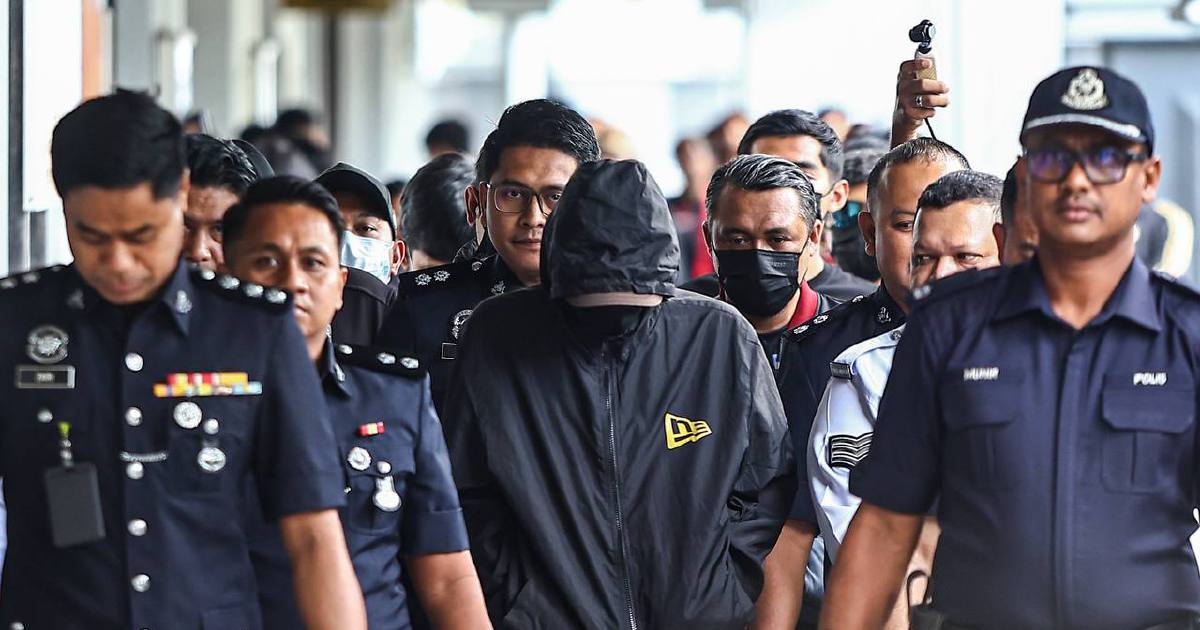
A lorry driver employed by the Immigration Department appeared in Kuala Lumpur Magistrates' Court today to answer five charges stemming from a fatal traffic collision that claimed three lives from a single family at the Maju Junction intersection yesterday. The driver claimed trial to all charges, setting the case to proceed through the criminal justice system without entering a guilty plea at this stage.
The incident has drawn significant public attention to road safety within the federal capital, particularly regarding the conduct of heavy vehicles operated by government departments. The specific charge of causing death by reckless or dangerous driving, which carries potentially severe penalties, reflects the severity of the collision's outcome. The fact that three separate counts relate to the three fatalities indicates that the prosecution is treating each death as a distinct criminal consequence of the alleged dangerous driving.
Fatal road accidents involving commercial and government vehicles remain a persistent problem across Malaysia, despite ongoing safety campaigns and enforcement initiatives. When crashes result in deaths within a single family unit, the tragic impact extends beyond immediate loss to raise broader questions about how such incidents could have been prevented. The Maju Junction area, located within Kuala Lumpur's urban landscape, has seen increased traffic volumes in recent years, potentially creating additional hazards for both motorists and pedestrians.
The involvement of a government department vehicle adds another layer of complexity to this incident. The Immigration Department, which operates a fleet of lorries and transport vehicles for operational purposes, will likely face internal scrutiny regarding vehicle maintenance standards, driver training protocols, and workplace safety measures. Questions may emerge about whether the driver had undergone appropriate training for operating heavy vehicles and whether adequate safety checks had been conducted on the lorry involved in the crash.
Road traffic fatalities constitute a significant public health challenge in Malaysia, with statistics consistently highlighting dangerous and reckless driving as leading contributing factors. The criminal charges reflect the legal system's recognition that certain types of driving conduct cross the threshold from civil negligence into criminal culpability. When a driver's actions result in multiple deaths, prosecutors and courts often treat such cases with corresponding gravity, though the eventual sentence will ultimately depend on the evidence presented and factors the court deems relevant during sentencing.
The three-member family who perished in the collision represents the human cost of such incidents. Neighbours, colleagues, and community members have been affected by their sudden loss, and questions about how the crash occurred will naturally arise. The investigation by traffic police and other authorities will have gathered evidence regarding vehicle speeds, road conditions, visibility, any mechanical failures, and the driver's actions immediately preceding the collision.
The law governing causing death by dangerous driving in Malaysia recognises different levels of culpability. The definition requires that the driving be so reckless or dangerous as to amount to a criminal act, distinguishing it from mere breaches of traffic regulations. Prosecutors must establish that the driver's conduct fell significantly below what a reasonable driver would consider acceptable, thereby creating a substantial and obvious risk of serious injury or death.
For Malaysian motorists and road users, incidents such as this underscore the dangers posed by heavy vehicles, particularly when operated by drivers whose attention or skill may be compromised. The rise of e-commerce and increased logistics traffic within urban areas means more lorries operate in congested city streets where pedestrians and private vehicles share road space. Safety measures including driver fatigue monitoring, speed limiters on heavy vehicles, and improved traffic management around busy junctions have been proposed as preventive measures in similar jurisdictions.
The court proceedings will unfold over the coming months as evidence is presented, witness statements are heard, and legal arguments are advanced by both prosecution and defence. The outcome of this case may influence how other similar incidents are prosecuted and could contribute to broader discussions about acceptable standards for commercial driving and workplace accountability within government departments. Meanwhile, the community affected by yesterday's tragedy faces the difficult process of coming to terms with an event that, by all accounts, was preventable.

