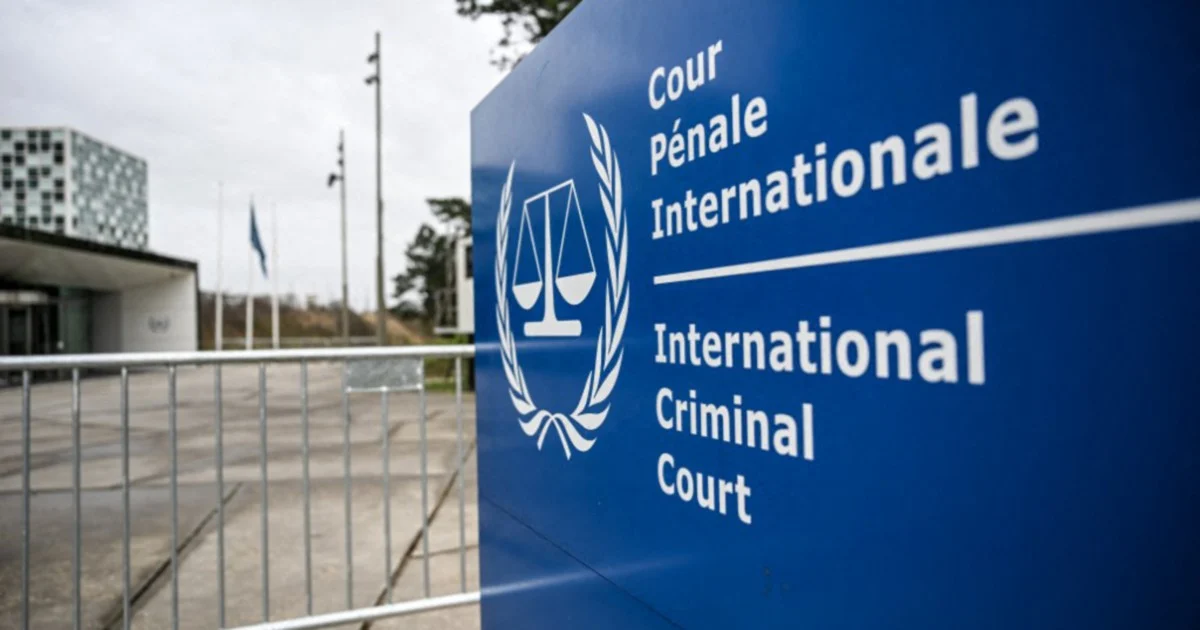
Three International Criminal Court judges who faced sanctions from the United States have initiated a federal lawsuit against President Donald Trump and other senior administration officials, contending that the punitive measures violate American law and constitutional protections. The judges filed their case Wednesday in New York, seeking to overturn what they describe as an unlawful exercise of executive power that exceeds the proper scope of presidential authority.
The sanctions targeting these ICC officials represent a significant escalation in tensions between Washington and The Hague, reflecting broader disagreements over international criminal justice institutions and US sovereignty. The Trump administration has previously clashed with the ICC over investigations and prosecutions that Washington perceived as threats to American interests or its allies. This legal challenge now brings that dispute directly into the American court system, forcing judges to weigh questions of international relations against statutory and constitutional limitations on executive action.
The three judges argue that the sanctions imposed against them lacked proper legal foundation and violated their rights under US law. The lawsuit raises fundamental questions about whether the president can unilaterally sanction foreign officials of international institutions without specific congressional authorization. This distinction matters significantly for the separation of powers doctrine that underpins American constitutional law, particularly regarding the executive branch's ability to conduct foreign policy independently.
The ICC has faced previous friction with the Trump administration, particularly regarding investigations into alleged American war crimes and the conduct of US personnel abroad. The court's jurisdiction and independence have long been contentious issues in Washington, where critics argue the institution operates without adequate checks and serves the interests of nations hostile to American foreign policy. These longstanding disagreements provide essential context for understanding why the administration targeted these particular judges with sanctions.
The legal arguments raised in this lawsuit carry implications extending beyond the immediate dispute between these judges and the Trump administration. The case will likely examine whether the International Emergency Economic Powers Act and other statutes grant the president authority to impose such measures on individuals connected to international organizations. Courts must determine whether the president's designation of threats to US interests provides sufficient legal justification for these actions, or whether additional congressional action becomes necessary.
For Malaysian observers and Southeast Asian policymakers, this dispute illustrates the complex relationship that major powers maintain with international institutions designed to enforce global accountability. The region's nations have varying interests in the ICC and its operations. Some countries have expressed concerns about selective prosecution, while others value the court's potential role in addressing crimes against humanity. This American legal challenge raises questions about the durability of international institutions when powerful states withdraw cooperation or actively undermine their functions.
The lawsuit also touches upon fundamental tensions in international law regarding enforcement and sovereignty. The ICC operates with limited enforcement mechanisms and depends substantially on member states' voluntary cooperation. When powerful nations like the United States employ sanctions against court officials, they signal skepticism about the institution's legitimacy and constrain its ability to function. Conversely, the judges' decision to litigate in American courts reflects confidence in the US legal system's capacity to provide fair review of their claims, even when challenging the sitting president.
The Trump administration's previous actions against the ICC included financial sanctions and travel restrictions. These measures reflected frustration that the court was pursuing investigations that American officials deemed politically motivated or threatening to US citizens and allies. The current lawsuit tests whether such actions can withstand judicial scrutiny when applied to officials of an international institution that the United States itself does not formally recognize as having jurisdiction over American personnel.
This case will likely proceed through the federal courts with arguments focused on statutory interpretation, constitutional law, and principles of separation of powers. The outcome could significantly affect how future American administrations interact with international institutions and whether sanctions become a viable tool for discouraging actions by organizations that Washington opposes. If courts rule against the administration, it could constrain executive power in this domain. If courts uphold the sanctions, it may embolden similar future actions.
The broader implications extend to how international institutions operate when their legitimacy faces challenge from powerful member states. For Southeast Asia, which includes countries with different relationships to the ICC and international accountability mechanisms, this dispute demonstrates that the rules governing these institutions remain contested and subject to political pressure. The outcome of this lawsuit may influence how regional nations calibrate their own engagement with international criminal justice processes.
The judges' decision to pursue litigation rather than rely solely on diplomatic channels represents a significant strategic choice. By bringing their case before American courts, they invoke the rule of law and ask judges to assess whether executive actions conform to statutory and constitutional requirements. This approach acknowledges American judicial independence while directly challenging the administration's authority to act unilaterally in this context.
As the case progresses through discovery and legal motions, courts will examine the factual basis for the administration's designation of these judges as threats to US interests. This examination could reveal the extent to which the sanctions reflected genuine security concerns or constituted primarily a political response to ICC actions that American officials found objectionable. The distinction carries weight both for the immediate legal questions and for broader questions about permissible uses of executive power in foreign policy matters.
The litigation emerging from this dispute will likely attract substantial attention from international law experts, human rights advocates, and nations concerned about the fate of international institutions generally. For Malaysia and its Southeast Asian neighbors, the case serves as a reminder that the institutional architecture of international justice depends partly on the willingness of major powers to accept decisions and processes they may find inconvenient. The judges' lawsuit represents an effort to establish legal boundaries around that willingness, even as it remains uncertain whether American courts will prove receptive to their arguments.

