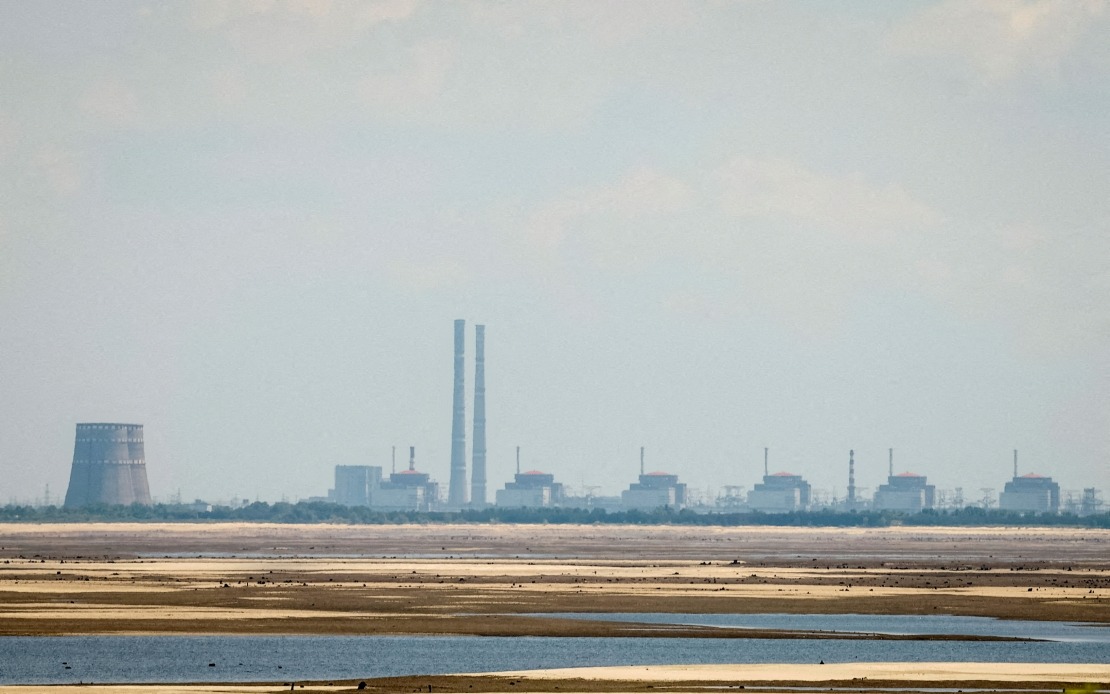
The International Atomic Energy Agency sounded fresh alarms over nuclear safety conditions at the Zaporizhzhia Nuclear Power Plant after the facility experienced yet another loss of external electrical supply, marking the 21st such incident since the Ukraine conflict intensified. The disconnection from the critical 330 kV Ferosplavna-1 transmission line, reported on Friday, represents an escalating pattern of vulnerability that has drawn intensified scrutiny from international nuclear regulators and underscores the precarious position of one of Europe's most strategically significant energy installations.
The outage mechanism reveals how deeply the conflict has penetrated the plant's operational infrastructure. According to IAEA monitors stationed continuously on site, military activity in the region triggered automatic electrical protection systems along the transmission lines that normally supply the facility. This chain reaction—where combat operations indirectly disrupt power networks—demonstrates how conventional warfare has created unexpected nuclear safety risks. When off-site power was severed, the plant's contingency systems functioned as designed, with emergency diesel generators commencing operations to sustain cooling systems for the reactors and maintain other indispensable safety functions.
IAEA Director General Rafael Grossi articulated growing apprehension about the situation, emphasising that the repeated power losses underscore an increasingly fragile nuclear safety environment. His statement that the pattern "highlights the extreme fragility of nuclear safety at the plant and the need for maximum military restraint to help prevent a nuclear accident" represents a pointed call for de-escalation directed implicitly at both Ukraine and Russian forces in the theatre. The characterisation of nuclear safety as "extremely fragile" marks a significant escalation in the agency's language, moving beyond technical observations into expressions of genuine existential concern.
For Southeast Asian observers, the Zaporizhzhia situation carries particular resonance given the region's expanding nuclear ambitions. Several ASEAN nations, including Vietnam and Thailand, have explored or continue to pursue nuclear energy programmes as part of diversified energy strategies. The Zaporizhzhia experience provides a cautionary case study about the potential consequences when nuclear infrastructure becomes entangled in geopolitical conflicts or military operations. The vulnerability demonstrated at this massive facility—with its 21 power losses in a compressed timeframe—illustrates how quickly robust safety systems can be compromised by circumstances beyond engineering design parameters.
The Zaporizhzhia plant, operated before the conflict by Russia's Rosenergoatom and currently under de facto Russian control, represents the largest nuclear power station in Europe by installed capacity. Its strategic importance extends beyond Ukraine's borders, as it supplies electricity to multiple nations and its potential failure could trigger radiological consequences across an enormous geographical radius. The fact that emergency backup systems have been activated repeatedly raises questions about their long-term reliability and whether repeated cycling places additional strain on the facility's mechanical infrastructure.
The transmission line failures expose a systemic vulnerability in how modern power grids function during armed conflict. Unlike conventional power plants that might simply cease operations, nuclear facilities cannot simply shut down instantaneously. They require continuous electrical supply to operate cooling systems even during shutdown, creating a fundamental dependency that distinguishes nuclear infrastructure from almost all other industrial installations. When external power becomes unreliable due to military activity, plants must rely on backup generators, which themselves require fuel supply chains that could themselves become disrupted.
The IAEA's consistent deployment of monitors at Zaporizhzhia reflects international determination to maintain transparency around the facility's condition, even amid geopolitical tensions. These on-site inspectors have provided detailed documentation of conditions, security arrangements, and incident reports that form the basis for external assessment. However, the agency's warnings have largely gone unheeded by the combatants, with power losses continuing despite repeated calls for restraint. This pattern suggests that military operational requirements are overriding nuclear safety considerations in decision-making by regional actors.
Regional energy security across Southeast Asia could theoretically face indirect impacts should a major nuclear incident occur at Zaporizhzhia. Disruption of European energy markets due to radiological contamination or reduced nuclear generation capacity could trigger global commodity price shifts affecting fossil fuel imports throughout Asia. Additionally, such an incident would likely intensify global resistance to nuclear energy expansion, potentially complicating energy security planning for developing nations seeking to diversify away from carbon-intensive power sources.
The repeated power outages also highlight inadequacies in international mechanisms for protecting critical civilian infrastructure during armed conflict. While protocols exist nominally to protect nuclear facilities, enforcement mechanisms remain weak, and the Zaporizhzhia situation demonstrates that even the physical presence of international monitors provides limited deterrent effect. This gap between established international norms and operational reality on the ground represents a troubling development for any nation relying on nuclear energy within regions experiencing political instability or security tensions.
Looking forward, the trajectory at Zaporizhzhia raises fundamental questions about the viability of maintaining large-scale nuclear installations in active conflict zones. Even if the immediate military situation were to stabilise, the facility would face enormous challenges in post-conflict reconstruction and rehabilitation. The repeated electrical stresses, potential security breaches, and accumulated maintenance backlogs will require years of intensive remediation. The episode collectively illustrates why emerging nuclear energy programmes in Southeast Asia must be developed within frameworks of genuine regional stability and robust non-proliferation oversight.

