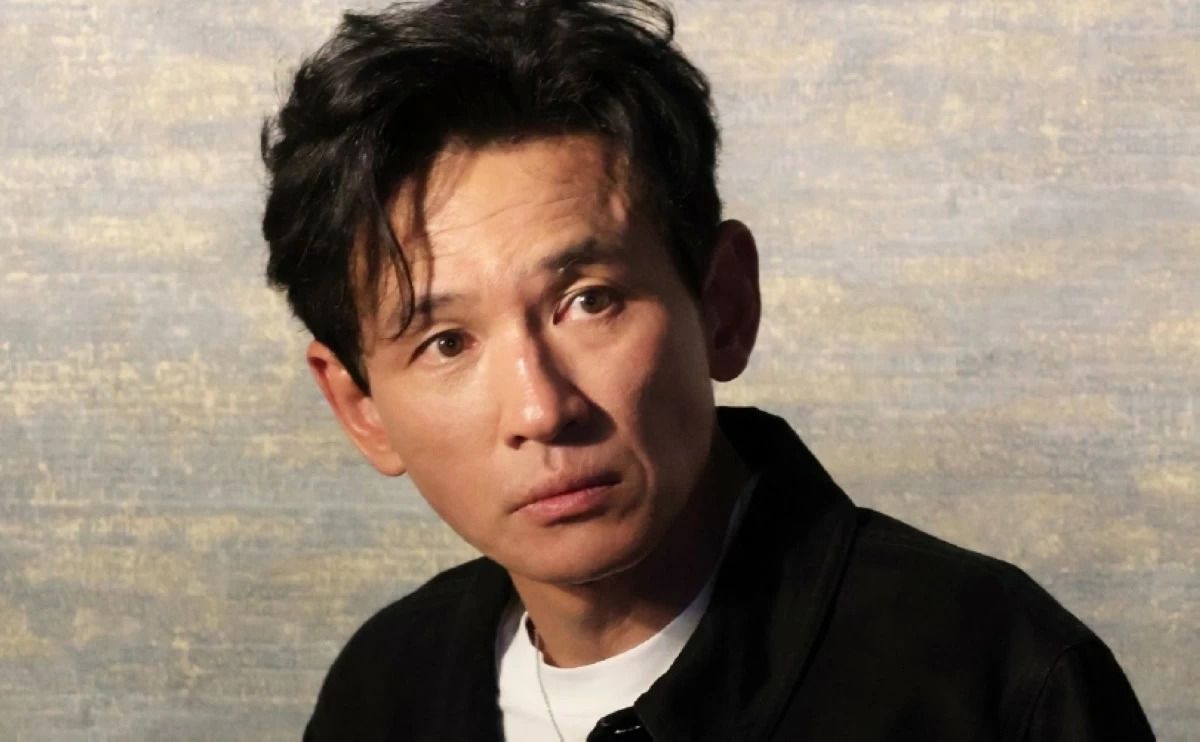
South Korean actor Hwang Jung-min's management agency has forcefully rejected allegations of an extramarital affair, framing the accusation as part of a pattern of criminal harassment by a woman facing stalking charges. In a statement released on July 29, the agency declared that the accuser is a suspect in a stalking investigation and that the 55-year-old actor has filed a formal criminal complaint against her in 2025. The company indicated it would pursue additional legal action against the woman over the matter, marking an escalation in what has become a contentious dispute involving social media allegations and court proceedings.
The woman at the centre of the controversy had previously posted on social media what she claimed were intimate communications with Hwang, including text messages, photographs, and an audio recording allegedly demonstrating a romantic relationship between them. These posts, which quickly circulated online, prompted immediate denials from the actor's representation. The agency's response characterised the material as coming from someone engaged in deliberate harassment rather than making genuine disclosures, and suggested that the content had been deliberately altered to mislead the public and damage Hwang's reputation.
Court proceedings have substantiated the agency's claims about the accuser's legal troubles. A South Korean court has imposed restraining orders against the woman on three separate occasions and issued a summary fine of three million won, equivalent to approximately RM8,525, according to the agency statement. Rather than accepting this punishment, the woman has contested the financial penalty and requested a formal trial, escalating the dispute through the legal system. Additionally, she has initiated civil litigation against Hwang seeking monetary damages, indicating her determination to pursue the matter through multiple legal channels simultaneously.
The agency's statement notably characterised the social media posts as "maliciously edited," implying that the materials had been manipulated to present a false narrative. However, the company stopped short of explicitly confirming or denying the authenticity of the audio recording itself, a measured approach that leaves some ambiguity regarding the nature of the communications. An apology was offered for the concern and disruption caused by the allegations, though this gesture appeared aimed at Hwang's professional standing and public image rather than conceding any substantive truth to the accusations.
Hwang's personal life has remained largely private and stable within the public eye. He has been married to Kim Mi-hye since 2004, a South Korean musical and theatre producer who leads SEM Company, the management agency now defending her husband against the allegations. This two-decade-long marriage has provided a foundation of domestic stability, and the agency's defence implicitly invokes this established relationship as evidence counter to the affair claims. The involvement of Hwang's wife as the head of his management company underscores the deeply intertwined nature of his professional and personal affairs.
Within the South Korean entertainment industry, Hwang stands as one of the country's most commercially successful and acclaimed performers. His career has been built on leading roles in multiple blockbuster films that have achieved significant box-office success, establishing him as a bankable star whose involvement in a project typically signals major production values and audience appeal. This prominent status makes him a high-profile target for various forms of harassment and unwanted attention, a reality that becomes evident when examining the pattern of restraining orders and stalking allegations documented in court records.
The timing of this dispute coincides with what would normally be a significant promotional period for Hwang's professional commitments. He is currently starring in an action thriller directed by Na Hong-jin, a notable South Korean filmmaker known for intense genre work. The film, titled Hope, represents a substantial international production featuring Hollywood actors Michael Fassbender and Alicia Vikander alongside South Korean performers Zo In-sung and Jung Ho-yeon. The production is scheduled to premiere in Singapore on September 10, making this a critical juncture for Hwang's career where negative publicity could impact the film's reception and box-office performance.
For Malaysian and Southeast Asian audiences, this incident illustrates the broader challenges faced by celebrities in the digital age, where allegations can rapidly circulate on social media before verification or context can be established. The case demonstrates how accusers can leverage public platforms to damage reputations, even when their claims lack merit and are contradicted by court findings. The multiple restraining orders and stalking charges suggest a pattern of behaviour that extends beyond a single dispute into persistent harassment, a distinction that becomes crucial when evaluating the credibility of competing narratives.
The legal response by Hwang's agency reflects standard practice for high-profile individuals accused of misconduct, wherein denial is coupled with characterisation of the accuser as mentally unstable or malicious. The accumulation of court evidence supporting the stalking allegations strengthens this defensive posture significantly. However, the decision to avoid explicitly confirming the authenticity of the recording leaves open questions that continue to fuel speculation and discussion among observers.
This incident also underscores the vulnerability of public figures to coordinated or persistent harassment campaigns orchestrated through social media. The woman's determination to pursue multiple legal avenues simultaneously—contesting the fine, requesting a formal trial, and filing civil suits—demonstrates how the dispute has become a protracted legal battle rather than a simple allegation and response. For Hwang, the financial and reputational costs of defending himself across multiple proceedings accumulate alongside the distraction from his professional obligations.
Looking forward, the trajectory of this case will depend on the outcomes of the formal trial the accuser has requested and the civil litigation she has initiated. If courts continue to validate the stalking findings and rule in Hwang's favour, the narrative supporting his denial and the characterisation of his accuser as a persistent harasser will solidify. Conversely, any evidence that emerges during these proceedings could alter public perception and the industry's assessment of his conduct. For now, the accumulation of restraining orders and criminal charges significantly favours the actor's position in the court of law, if not entirely in the court of public opinion where allegations alone can linger.

