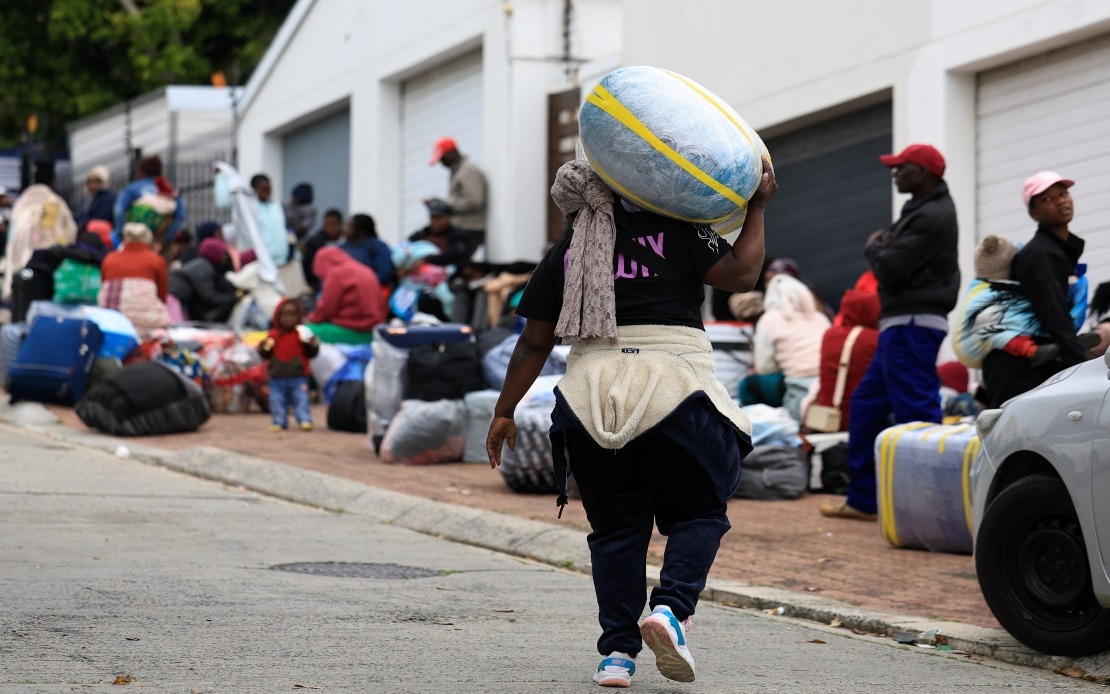
Hundreds of foreign nationals, predominantly from Zimbabwe and Malawi, have begun leaving Cape Town following a week of heightened anti-immigrant tensions in South Africa. South African authorities initiated the transfer operation on Saturday, moving detainees from the Epping processing centre in buses bound for Musina, a facility in Limpopo Province where thousands of undocumented migrants are already concentrated awaiting processing and eventual repatriation.
The relocation addresses a humanitarian crisis that emerged after approximately 3,000 foreign nationals spent roughly two weeks camped outside the Zimbabwean consulate in Cape Town. These individuals had sought refuge there following threats from anti-immigrant groups operating in South Africa, which culminated in an unofficial but widely publicized June 30 deadline demanding that undocumented foreign nationals vacate the country. The deadline created significant anxiety within migrant communities fearful of escalating violence, prompting many to seek government protection and assistance in returning home.
Conditions at the Epping processing centre deteriorated as the facility prepared for closure, with humanitarian organizations struggling to maintain basic living standards. Aid workers reported that food, shelter, and sanitation services, while operational, were inadequate for the population size. Health concerns emerged as disease spread within the crowded confines, with cases of diarrhoea and influenza-like symptoms documented among residents. These sanitary challenges underscore the difficulty facing South African authorities in managing sudden surges in migrant populations, particularly when security concerns necessitate rapid assembly and processing.
Even as the transfer operation proceeded on Saturday afternoon, fresh arrivals continued to strain the system. Approximately 400 additional people who had arrived overnight were turned away from the Epping facility, forcing them to wait in conditions described by observers as deplorable. One Zimbabwean national, Yekuai Mokoena, who had arrived with two young children after spending nights sleeping rough outside the consulate, offered a blunt assessment of the circumstances. She simply characterized the situation as "bad," a stark understatement reflecting the desperation of families caught between anti-immigrant sentiment at home and an uncertain asylum process.
The continuous arrival of new migrants seeking government-assisted repatriation demonstrates the depth of fear within foreign national communities across the Western Cape Province. Rather than attempt to remain and navigate increasingly hostile conditions, many have concluded that organized departure, even under rushed circumstances, represents their safest option. This represents a significant shift in migrant behaviour, as individuals who might otherwise attempt to remain employed or maintain established networks have prioritized immediate evacuation from the region.
Musina, as the destination facility, faces mounting pressure as concentrations of foreign nationals waiting for processing continue to expand. The facility now hosts thousands in anticipation of processing and formal repatriation arrangements. Authorities have begun urging any remaining foreign nationals in Cape Town who wish to be assisted in returning home to bypass the Epping centre entirely and travel directly to Musina, streamlining processing and reducing the likelihood of further bottlenecks in urban centres. This represents a practical administrative response to the crisis, though it also effectively signals to undocumented migrants that their presence in Western Cape communities is no longer tolerated or accommodated through temporary urban processing facilities.
The anti-immigrant sentiment that precipitated this crisis reflects broader economic anxieties in South Africa, where unemployment remains elevated and competition for low-skilled positions intensifies. Foreign nationals, particularly those from neighbouring countries like Zimbabwe and Malawi, have become focal points for public frustration with economic stagnation and service delivery failures. The unofficial June 30 deadline, despite lacking governmental endorsement, gained traction within certain communities and demonstrated the extent to which grassroots xenophobic movements can influence migrant behaviour and government response even without formal legal backing.
For Zimbabwe and other source countries of these migrants, the evacuation represents both a relief and a policy challenge. While removing nationals from immediate danger addresses humanitarian concerns, it also reflects the limited capacity of these countries to protect their citizens abroad or negotiate improved conditions with receiving nations. The sudden return of hundreds of individuals to Zimbabwe may strain reintegration services and further burden an already fragile economy struggling with currency instability and limited employment opportunities.
The regional implications extend beyond bilateral relations. Southeast Asian nations with significant populations working in South Africa, and Malaysia's diaspora communities across the continent, should monitor whether this xenophobic episode signals a broader shift in South African immigration policy or reflects temporary political turbulence. The speed with which authorities have mobilized to relocate migrants suggests official discomfort with the anti-immigrant movement's visibility and potential for escalation, yet the government's responsiveness to informal pressure demonstrates the political influence of xenophobic constituencies within South African society.
As the Epping processing centre moves toward closure and operations consolidate at Musina, questions remain about the adequacy of conditions at the consolidated facility and the timeline for processing returning nationals. The humanitarian organizations providing essential services at Epping will need to redirect resources, and coordination challenges between South Africa's Department of Home Affairs and source country governments will intensify as thousands of people require formal documentation and transportation arrangements. The crisis, though appearing to reach a management phase with the relocation operation, remains fragile and dependent on sustained operational commitment from authorities and ongoing humanitarian support.

