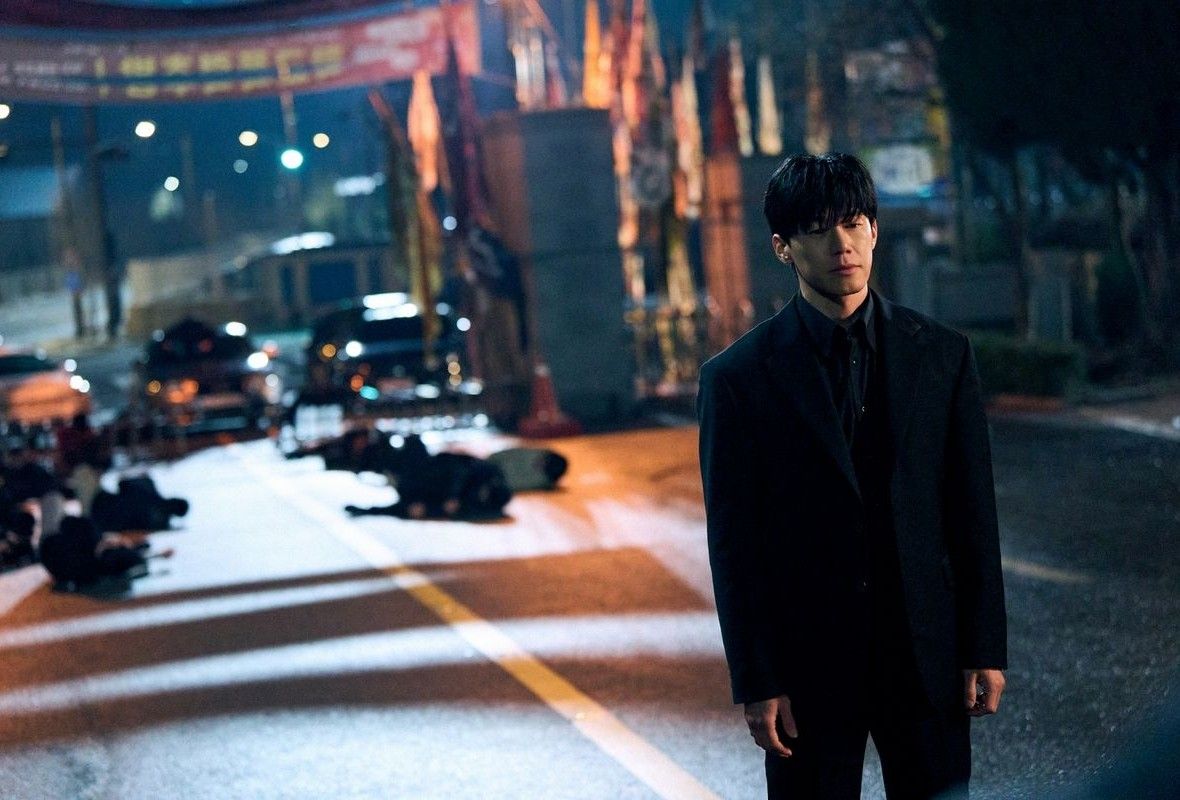
A South Korean television series examining the darker corners of school institutions has generated unexpected resonance among viewers across Southeast Asia, prompting serious conversations about how education systems confront violence, corruption, and institutional failure. Director Hong Jong-chan's 10-episode work navigates the murky terrain between punishment and redemption, treating its subject matter with sufficient nuance to avoid simplistic morality while avoiding the trap of becoming a mere sensational catalogue of wrongs. The show's capacity to reach audiences thousands of kilometres away—including reports of a Malaysian educator reaching out directly to one cast member—suggests the production has tapped into concerns that transcend national borders and cultural contexts.
At the narrative's core sits Na Hwa-jin, portrayed by Kim Mu-yeol, a former Special Forces officer thrust into the role of inspecting a school plagued by systemic dysfunction. This positioning proves thematically rich: the disciplined, hierarchical mindset of military training confronts the messy reality of institutional malfeasance and human weakness operating within educational spaces. Na's character becomes the lens through which viewers witness not isolated incidents of misbehaviour but rather interconnected problems that suggest deeper structural problems. The character's development, enriched through flashbacks revealing his emotional connection to the institution, prevents the narrative from devolving into a simple tale of external intervention fixing internal problems.
The webtoon source material, which generated controversy, has been adapted into a format that privileges thoughtful examination over exploitative dramatisation. Rather than dwelling obsessively on violent acts, the series employs specific moments of transgression to underscore an essential truth: that crossing certain moral lines creates consequences that cannot be undone, and that societies must grapple seriously with questions of accountability and redemption simultaneously. This balancing act reflects a philosophical stance that rejects both uncritical forgiveness and irredeemable condemnation.
The scope of institutional problems portrayed encompasses multiple layers of dysfunction. Student-on-student bullying operates as the most visible manifestation, yet the narrative extends to parental harassment of educators, organised crime attempting to recruit minors, and the clandestine distribution of pharmaceutical aids marketed as academic enhancement. This multi-layered corruption creates an overwhelming burden for the understaffed Education Regulation and Prevention Bureau, which must simultaneously address these crises while navigating political opposition from enemies of the protagonist. The accumulation of these challenges creates a realistic portrait of how institutions struggling with limited resources and competing pressures can become overwhelmed.
Kim Mu-yeol's performance anchors the entire production, delivering observations that move beyond performative judgment toward genuine compassion. His capacity to address both perpetrators and victims with equal moral seriousness—recognising human complexity without excusing harmful behaviour—elevates the show beyond typical crime-investigation narratives. Equally significant is Lee Sung-kyung's portrayal of ministerial authority, embodying the kind of principled leadership and conviction that audiences often wish to see more frequently in both fictional narratives and real-world governance. These performances prevent the show from becoming merely a catalogue of institutional failures by insisting on the human dignity of all parties involved.
The supporting cast, anchored by junior inspector Im Han-rim portrayed by Jin Ki-joo, provides necessary layers of investigation and institutional resistance. While some secondary characters occasionally veer toward excess, their presence establishes the operational reality of how systemic change must function through institutions themselves rather than through isolated heroes. This distributes moral and practical responsibility across multiple shoulders, suggesting that redemption and reform require collective commitment rather than individual salvation narratives.
The decision to generate conversation rather than provide definitive solutions reflects a sophisticated understanding of television's capacity to function as a social catalyst. By portraying institutional ills without resolving them neatly, the series maintains thematic honesty while inviting audiences to apply their critical faculties to their own contexts. The parallels viewers have drawn to anti-bullying measures in their own educational institutions, and the direct engagement from educators across the region, demonstrate this strategy's effectiveness.
For Malaysian and Southeast Asian audiences, the show's resonance reveals uncomfortable truths about how institutional violence operates across different national contexts. The mechanisms of bullying, the vulnerability of minors to criminal recruitment, and the pressures placed upon educators function with dismaying consistency across cultural and geographical boundaries. The series suggests that these are not aberrations specific to one nation but rather challenges inherent to how institutions process power, responsibility, and human vulnerability.
The show's concluding philosophical stance—that redemption and hope for forgiveness represent the only meaningful responses to transgression—offers neither easy comfort nor cynical resignation. Instead, it proposes that acknowledging the permanence of certain wrongs, while maintaining commitment to the possibility of change and growth, represents the mature position required of institutions and individuals alike. This stance acknowledges that societies and institutions, like individuals, cannot erase their failures but can choose how to respond to them moving forward.

