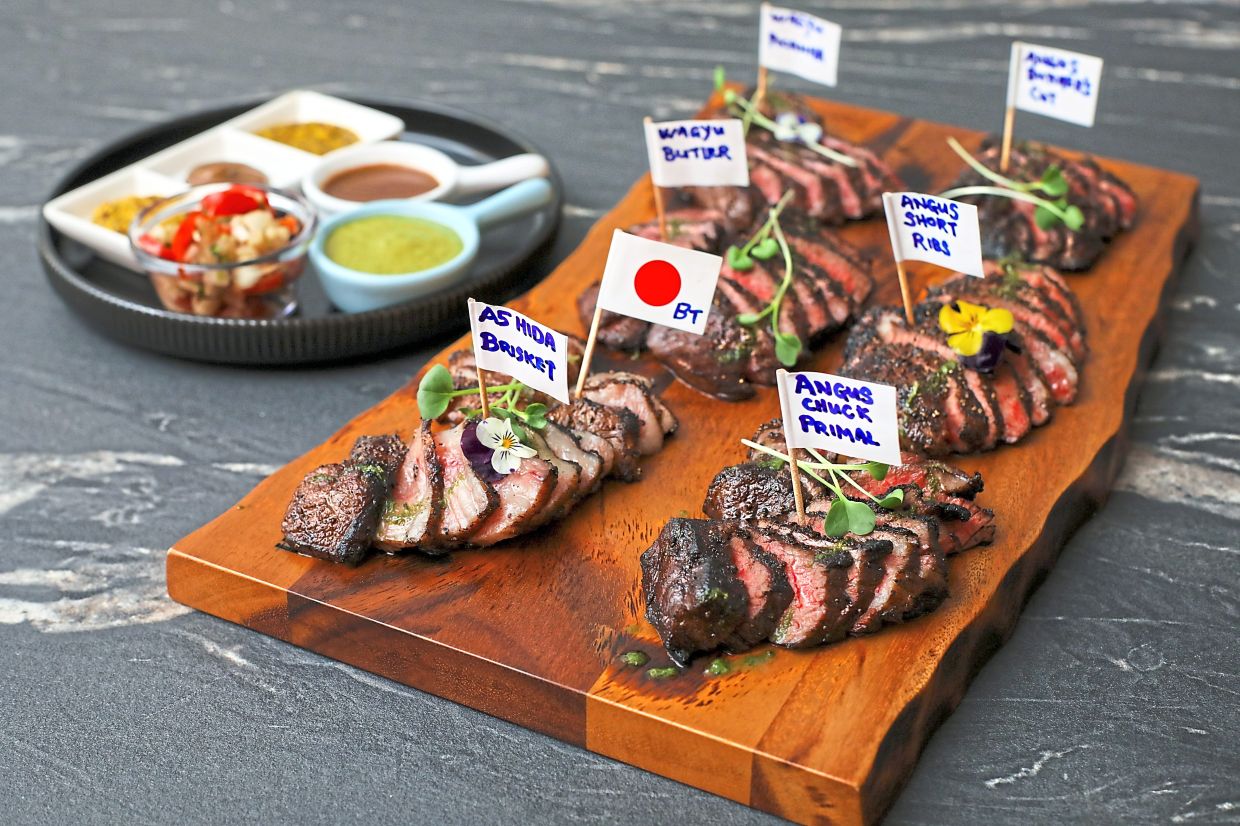
In kitchens across the Klang Valley, a quiet culinary revolution is taking shape. Chefs who once reserved their attention exclusively for the premium striploin, tenderloin and ribeye are now turning their skilled hands to cuts that have traditionally been relegated to the mincer. This shift represents a meaningful change in how Malaysia's dining establishments approach beef, one that carries implications extending far beyond the kitchen and into questions of sustainability, affordability and gastronomic sophistication.
At Meat Feds in Petaling Jaya, chef Yenni Law has made a speciality of working with these overlooked portions. The meticulous work of preparing secondary cuts demands considerable expertise—distinguishing between sinew and fat, navigating dense connective tissue, and developing the muscle memory required to process each cut efficiently. Law and her co-founder Shelly Saw recently achieved recognition from the Malaysia Book of Records for featuring the most extensive secondary beef cut menu in the country, showcasing 20 different preparations. Yet even for someone of Law's calibre, the craft remains demanding, requiring constant refinement and education.
The economics underpinning this shift are compelling. Prime cuts represent merely 8 to 10 percent of a bovine carcass, while secondary cuts constitute the remaining 80 to 90 percent. Historically, this abundance has been channelled into ground meat products and processed goods, leaving consumers largely unaware of the distinctive flavour and textural characteristics these cuts possess. The pricing differential is substantial—secondary cuts typically cost between 20 and 60 percent less than their prime counterparts, translating to savings measured in hundreds of ringgit per serving. For restaurants operating in an environment of rising costs and margin pressures, this represents a genuine business opportunity rather than mere culinary experimentation.
Global market forces have accelerated this transition. The international beef shortage, compounded by petroleum price increases affecting production and transportation costs, has driven prime cut prices upward by approximately 30 percent in recent months. Secondary cuts, by contrast, have experienced only modest increases of around 10 percent. Desmond Chong, head chef at the woodfire establishment Ignis KL, notes that these market realities have forced his hand—he now regularly features three to four secondary cuts precisely because the pricing differential has become too significant to ignore. For Malaysian diners accustomed to beef being a centrepiece of upscale dining, secondary cuts offer a pathway to maintain accessibility without compromising on quality or experience.
The transformation of consumer perceptions has not occurred spontaneously but rather through systematic educational efforts. Industry bodies such as Meat & Livestock Australia, alongside distributors like Lucky Frozen Sdn Bhd, have orchestrated seminars, demonstrations and masterclasses designed specifically to showcase secondary cuts in their most favourable light. These events position cuts such as flat iron, hanging tender, picanha and chuck primal not as budget alternatives but as lead attractions capable of delivering sophisticated dining experiences. Law credits these initiatives with fundamentally altering how she and her peers approach menu development, providing technical instruction in optimal trimming techniques whilst validating the culinary legitimacy of these cuts.
This strategy mirrors proven playbooks from other markets. The introduction of Norwegian salmon to Japan during the 1980s provides an instructive parallel—Japanese chefs initially dismissed salmon as unsuitable for their cuisine, yet intensive marketing campaigns transformed it into the dominant sushi topping within decades. Similarly, Malaysian chefs attending Meat & Livestock Australia's educational sessions are learning to perceive secondary cuts not as inferior substitutes but as ingredients possessing distinct textural and flavour profiles worthy of centre-stage treatment. Valeska V, the regional manager for Southeast Asia at Meat & Livestock Australia, emphasises that as chefs and consumers become more culinarily sophisticated, receptiveness to alternatives increases proportionally. The organisation's engagement strategy centres on illuminating the potential within cuts that might otherwise face dismissal.
The culinary versatility of secondary cuts deserves particular emphasis. A single platter at Law's restaurant might feature butcher's cut, chuck primal, brisket, picanha and short rib—each delivering pronounced bovine character alongside distinct variations in bite, chew, tenderness and textural complexity. At Ignis, charcoal-fired preparations of short ribs and flat iron steaks emerge with beautifully charred exteriors and silken interior textures that rival prime cut opulence without the accompanying price tag or richness. These cuts demand different cooking approaches and benefit from techniques—slow cooking, high-heat searing, careful marinating—that allow their inherent qualities to flourish. For diners seeking beef-forward experiences, secondary cuts often deliver more robust, developed flavours precisely because the animals' muscular development infuses these portions with character.
Yet significant hurdles remain. Secondary cuts demand substantially greater technical proficiency than prime portions. They typically contain higher concentrations of sinew, silver skin and intramuscular fat requiring careful butchering and trimming. The learning curve is steep; chefs must invest time not merely in preparation but in understanding how each cut behaves under different cooking methods and temperatures. This knowledge barrier explains why adoption, whilst accelerating, remains concentrated primarily within mid-range and upscale establishments where kitchen sophistication permits the necessary investment in staff training and recipe development.
James See, business development director at Lucky Frozen Sdn Bhd, articulates a sustainability dimension to this transition. Utilising the complete carcass and identifying value across all portions represents a more efficient and resilient approach to beef consumption. Rather than concentrating demand on premium cuts whilst discarding remaining portions, diversified consumption patterns reduce vulnerability to price volatility affecting any single segment. For Malaysia, a nation that ranks as Southeast Asia's largest beef consumer, this shift toward wholistic carcass utilisation carries implications for supply chain stability and price predictability across the broader market.
The broader significance of this movement extends beyond individual restaurant operations. It reflects growing consumer sophistication and willingness to engage with culinary traditions previously dismissed as pedestrian. It demonstrates how education and deliberate market positioning can fundamentally reshape industry practices. Most substantively, it suggests that sustainability, affordability and gastronomic excellence need not exist in tension—that premium dining experiences can emerge from unconventional ingredients through skilled preparation and informed technique. As Malaysian chefs continue exploring secondary cuts, they are simultaneously redefining what constitutes worthy beef consumption in an era of constrained resources and heightened expectations.

