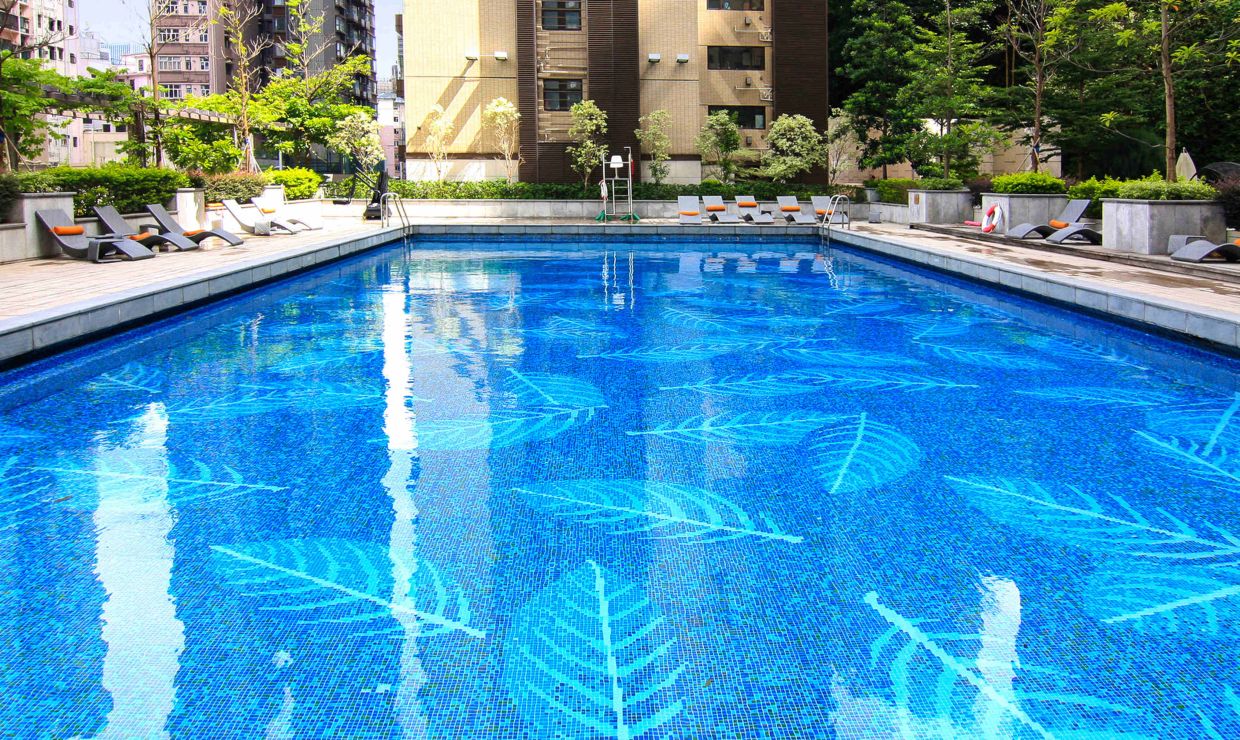
Swimming facilities across Hong Kong face heightened regulatory scrutiny following the discovery that a lifeguard at a prestigious private estate in Happy Valley was operating under fraudulent credentials. The Food and Environmental Hygiene Department ordered immediate closure of the licensed pool at Winfield Building, located at 1-5 Ventris Road, after verifying that the attendant's qualifications did not correspond with records maintained by the Hong Kong China Life Saving Society. The enforcement action underscores growing concerns about safety compliance at private pools, particularly as authorities seek to tighten oversight following previous breaches.
The disclosure represents a significant security lapse for what appears to be an upmarket residential complex. FEHD officers had submitted a batch of lifeguard records for independent verification on Wednesday, receiving confirmation of the credential discrepancies just one day later. The swift turnaround enabled authorities to take immediate protective action, recognising that the pool's inability to demonstrate the legally mandated number of qualified lifeguards on duty created an unacceptable public safety risk. Rather than permitting continued operations under corrective measures, officials determined that complete closure was the only appropriate response until the facility could demonstrate full compliance.
The regulatory response carries significant legal implications for the facility's management. The department indicated it was considering prosecuting the pool's licensee while simultaneously referring the matter to police for investigation into the suspected deployment of forged documents. The Property Management Services Authority was also notified, suggesting that property management standards and oversight procedures at the estate may come under separate scrutiny. Neither the immediate statement nor subsequent reports clarified whether the lifeguard in question had been arrested, suspended, or otherwise removed from duty, leaving open questions about the individual's role in the credential fabrication.
This incident occurs within a broader context of enhanced regulatory requirements introduced since May of last year. Private pool licensees operating in Hong Kong are now explicitly obligated to conduct thorough identity document verification before hiring lifeguards, with mandatory retention of copies of Pool Lifeguard Awards and personal logbooks. Such documentation must be cross-referenced with duty records that require simultaneous signatures from both the lifeguards themselves and inspecting staff appointed by licensees. These layered verification procedures were implemented precisely to prevent the sort of credential abuse uncovered at the Happy Valley facility.
The scale of the enforcement effort demonstrates the government's commitment to compliance verification across Hong Kong's private pool sector. Between January and July this year alone, FEHD officers conducted approximately 7,000 inspections at more than 1,400 licensed private pools, with checks verifying the qualifications of around 2,100 individual lifeguards. That extensive inspection programme achieved results, uncovering not only the Happy Valley case but also identifying another instance of unqualified lifeguard deployment that emerged last year following the introduction of stricter regulatory protocols. The statistics suggest that credential fraud may represent a more systemic problem than previously acknowledged.
For Malaysian readers, the Hong Kong situation carries relevant implications regarding private facility oversight in Southeast Asia. Many regional jurisdictions operate private pools and sports facilities with varying degrees of regulatory rigour, and the Happy Valley case demonstrates how credential verification gaps can persist despite official licensing systems. The incident highlights the importance of independent third-party verification rather than relying solely on institutional records, a principle applicable across swimming facilities throughout Malaysia, Singapore, and other regional economies where private leisure facilities operate under government licensing frameworks.
The Hong Kong authorities' decision to increase surprise inspections and spot checks during peak swimming season represents a tactical response aimed at deterring future violations while catching non-compliant facilities before public incidents occur. This reactive enforcement approach, while necessary, suggests that earlier systemic weaknesses in credential verification processes may have permitted the Happy Valley situation to develop unchallenged. The FEHD's subsequent commitment to expanded unannounced inspections implicitly acknowledges that routine compliance auditing may be insufficient to ensure consistent adherence among all private pool operators.
The credential fraud case also raises broader questions about employment screening practices in Hong Kong's hospitality and leisure sectors. If lifeguard qualifications can be falsified with sufficient sophistication to survive initial institutional checks, similar vulnerabilities may exist in other regulated service roles where public safety depends on verified professional credentials. The incident prompted authorities to strengthen verification procedures precisely because they recognised that legitimate-appearing documentation could conceal underlying fraudulence, a vulnerability that extends beyond swimming pool management into security, healthcare, and other safety-critical functions.
From a compliance perspective, the Happy Valley closure demonstrates that Hong Kong regulators will respond decisively when credential violations come to light, regardless of whether the facility in question operates within an upmarket residential estate. This consistency in enforcement matters because it establishes clear expectations that licensees cannot assume that operating in affluent neighbourhoods or maintaining generally satisfactory records will protect them from prosecution if fundamental safety requirements are breached. The threat of prosecution coupled with referral to police creates a powerful deterrent for facility managers considering shortcuts in verification procedures.
The incident also highlights the importance of maintaining updated regulatory databases against which field inspections can be cross-referenced. The Hong Kong China Life Saving Society's ability to promptly verify lifeguard credentials against its institutional records enabled rapid identification of the fraud once FEHD submitted the initial batch of documentation. This suggests that other regional licensing authorities should similarly establish accessible verification systems that permit independent validation of professional credentials across multiple facilities, preventing individuals with fraudulent qualifications from simply relocating between jurisdictions or facilities when their status comes into question in any single location.
As authorities continue enhanced inspections throughout the peak swimming season, facility licensees are likely to expect unannounced verification visits with renewed focus on documentation accuracy and lifeguard credential authenticity. This sustained enforcement intensity should gradually improve compliance across Hong Kong's private pool sector, though it simultaneously underscores that regulatory oversight remains essential to maintaining safety standards that market forces alone may not guarantee.

