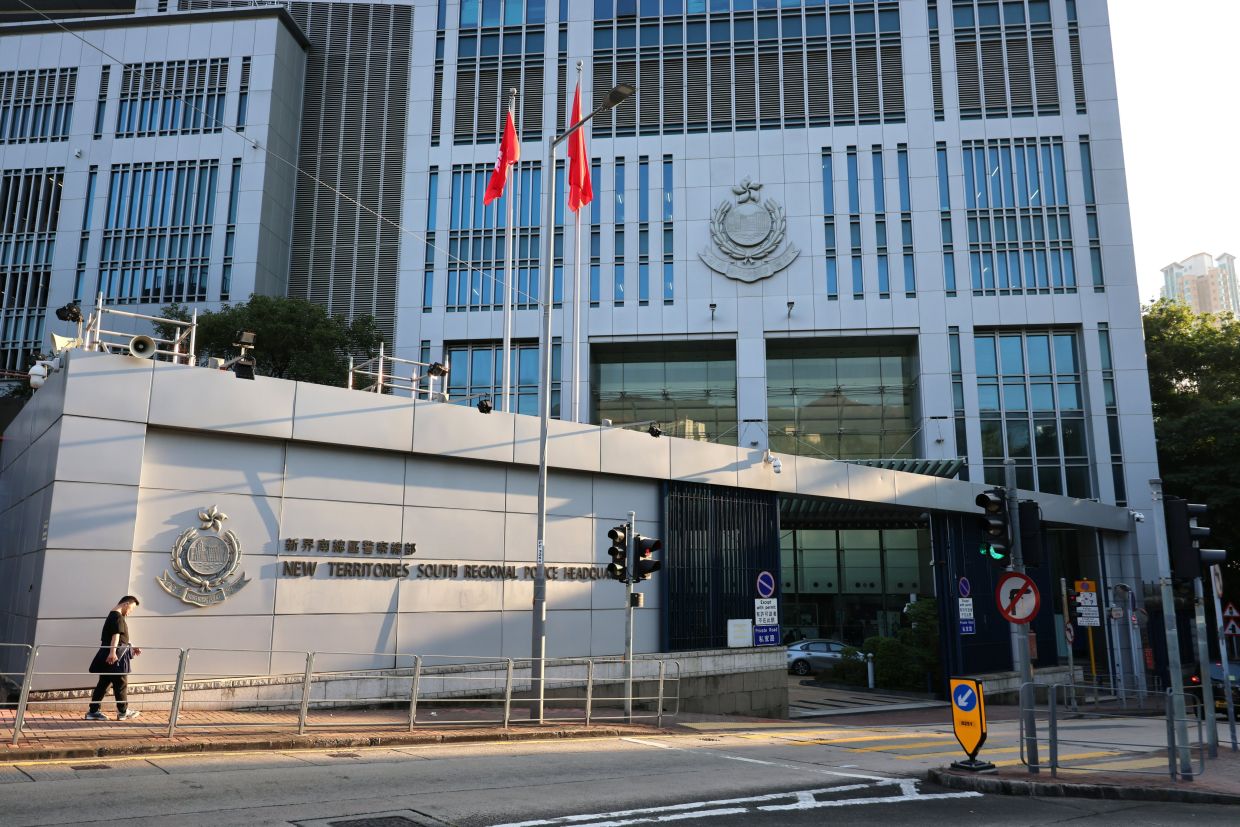
A 32-year-old Hong Kong police officer has been formally charged with misconduct in public office following allegations that he sent indecent text messages and explicit images to a woman during an investigation. The officer, attached to the Kwai Tsing police district, was taken into custody on August 20 by investigators from the New Territories South regional crime unit, according to a police statement released on Thursday.
The misconduct occurred during the course of an unrelated criminal probe that commenced in May of the previous year. While examining that case, the officer allegedly exploited his access to investigation files to contact a friend of one of the suspects being questioned. Without lawful authority, he then transmitted sexually explicit messages and imagery to the woman, crossing a clear line between legitimate police work and personal misconduct that violates professional standards and potentially criminal law.
The affected woman came forward to report the officer's behaviour to police authorities later in the same month after receiving the inappropriate communications. Her complaint triggered an internal investigation that examined the officer's conduct during his duties. Authorities took the allegations seriously enough to launch a formal inquiry, which ultimately led to the decision to bring charges against the officer before the courts.
Hong Kong's police force has historically maintained strict disciplinary procedures for officers accused of abusing their position or engaging in behaviour that undermines public confidence. The decision to charge this officer reflects the seriousness with which authorities view such allegations, particularly when they involve potential exploitation of police access and authority. The misconduct charge carries significant implications for the officer's career and professional standing, as conviction could result in imprisonment and permanent damage to his reputation within law enforcement circles across Asia's major financial hub.
The officer's suspension from active duty was implemented immediately following his detention. This measure ensures he cannot continue performing police functions while the allegation hangs over him and the case proceeds through the judicial system. Such suspensions are standard practice when serious misconduct is suspected, protecting both the integrity of ongoing investigations and the public's trust in police operations.
The case will be heard at Sha Tin Court on Friday, marking the officer's first formal appearance before a magistrate to answer the allegations. This stage typically involves initial procedural matters, bail considerations, and setting timelines for the case to progress toward trial. The outcome of these proceedings will determine whether the officer faces full trial or whether additional charges might be laid following further investigation.
Police management has responded to the incident by reiterating its commitment to maintaining high standards of conduct among its officers. A police spokesperson stated that the force regards officer behaviour and professional ethics with utmost seriousness, and that it will not accept or overlook any form of unlawful activity by members of its ranks. This public statement serves both as a reassurance to the general public and as a reminder to the broader police organisation that misconduct will face serious consequences.
The incident highlights an ongoing tension in modern policing: officers investigating crimes gain legitimate access to personal information about suspects and their associates, yet this access creates potential for abuse if safeguards prove inadequate. The Hong Kong Police Force has implemented various protocols to prevent such misuse, but high-profile cases of individual officers crossing ethical boundaries demonstrate that systemic vulnerabilities persist. Each such case prompts internal reviews of vetting procedures, oversight mechanisms, and training protocols designed to instil professional standards among recruits and serving officers.
For Malaysian and regional observers, the case underscores broader questions about police accountability across Asia. Hong Kong's relatively transparent legal system and willingness to charge officers for misconduct contrasts sharply with more opaque police cultures elsewhere in the region, where complaints against officers often languish without formal investigation or prosecution. The case demonstrates how establishing clear mechanisms for civilian complaint, thorough investigation, and judicial oversight can serve to maintain public confidence in law enforcement institutions, even when individual officers behave egregiously.
The implications of this prosecution extend beyond the individual officer involved. It signals to other law enforcement personnel across Hong Kong that their authority will be scrutinised and that abusing access to investigative information carries genuine legal consequences, not merely administrative penalties. Such deterrence effects are crucial for maintaining professional standards throughout large police organisations where individual supervision of every officer remains practically impossible.

