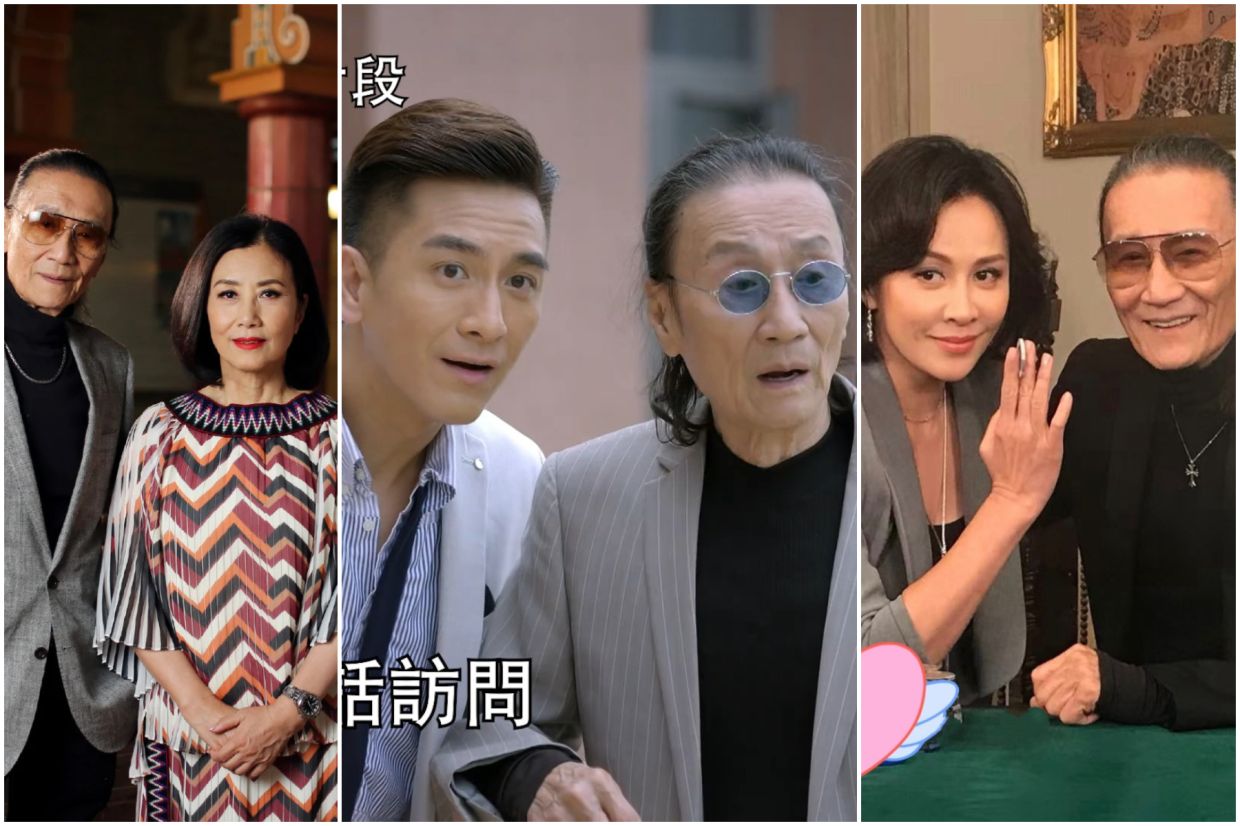
The Hong Kong entertainment industry has been paying homage to one of its most revered figures following the death of actor Patrick Tse, a screen icon who shaped decades of television and film production across the region. Known affectionately as Sei Gor, meaning Fourth Brother, Tse passed away on July 16 at the age of 89 after developing pneumonia. His family made the announcement of his death public four days later on July 20, prompting an outpouring of tributes from colleagues and collaborators who had benefited from his mentorship and artistry throughout their careers.
The depth of affection Tse commanded within the industry became evident as social media platforms filled with heartfelt messages from prominent figures. Actress Carina Lau, herself a major star in Asian cinema, posted two photographs on Instagram to commemorate their professional relationship. Alongside an image of herself with Tse and another showing her husband Tony Leung Chiu Wai alongside the late actor, she expressed how Tse embodied qualities that extended far beyond his on-screen presence. Her tribute emphasised the elegance and grace that characterised his entire life, while acknowledging the substantial legacy he created for Hong Kong's film and television industries that will endure for generations to come.
Veteran actress Liza Wang, who shared the screen with Tse in multiple TVB dramas spanning his later career, articulated a particularly close bond with the deceased actor. Beyond their professional collaborations, Wang served as godmother to Tse's daughter Jennifer, a personal connection that underscored the genuine relationships Tse cultivated with those around him. In her tribute, Wang emphasised that Tse represented far more than a talented performer—he was genuinely kind-hearted and consistently supportive of colleagues throughout production schedules. She recounted that whenever their paths crossed on set, his primary concern was ensuring her comfort and wellbeing, while he freely shared accumulated professional wisdom gathered across his extensive career spanning multiple decades.
Wang's remembrance highlighted the personal impact Tse had made on those working alongside him, describing how his radiant smile and immaculate gentlemanly demeanour created an atmosphere of warmth wherever he appeared. She reflected that the joyful days spent collaborating with him had become treasured memories she would preserve throughout her remaining years. The sadness at his departure was palpable in her words, revealing how deeply his loss would affect the broader community of artists who had benefited from his presence and influence.
Actress Michelle Ye, who transitioned from TVB to pursue opportunities in mainland China, similarly shared deeply personal recollections of her friendship with Tse. The pair had worked together on a 2005 drama that proved formative for Ye's career trajectory. In her account shared on Weibo, she disclosed that Tse had fulfilled an emotional need stemming from her childhood, providing the paternal affection and guidance she had missed while growing up. This revelation demonstrated how Tse's generosity extended beyond professional obligations, creating meaningful human connections with younger colleagues who crossed his path.
Actor Kenneth Ma, who collaborated with Tse on Wong Jing's 2017 TVB production, offered a different perspective on the late actor's working methods and character. Despite his advanced age at the time of filming, Tse demonstrated remarkable dedication to his craft by insisting on performing his own action sequences rather than delegating them to stunt professionals. This commitment astonished Ma and his contemporaries on set, who recognised it as exemplary conduct worthy of emulation by younger generation performers entering the industry. Ma emphasised that Tse's willingness to push physical boundaries while maintaining professional standards provided a valuable lesson about commitment and craftsmanship.
Beyond his technical approach to performance, Ma highlighted Tse's personality during production schedules, characterising him as playful and approachable despite his legendary status. The working environment he created encouraged camaraderie and genuine enjoyment among cast and crew, transforming what could have been intimidating collaborations into genuinely fulfilling experiences. This dimension of Tse's character—his ability to maintain humility and generate positive interpersonal dynamics regardless of his eminence—appeared repeatedly throughout various colleagues' recollections.
Director Wong Jing, one of Hong Kong's most prolific filmmakers, provided distinctive perspective on Tse's historical significance. Wong characterised the late actor as unquestionably the most strikingly handsome leading man in Hong Kong's cinematic history, a claim that reflected aesthetic standards and audience preferences spanning multiple generations. Their professional relationship extended back to 1977, when Wong was barely 22 years old and working as a television scriptwriter at TVB. During this formative period, Tse demonstrated generosity toward the younger professional by regularly driving him in his Mercedes-Benz sports car, utilising these casual excursions to discuss creative projects and film industry dynamics.
During one such conversation, Tse imparted a piece of wisdom that Wong retained throughout his subsequent rise to international prominence as a director. The statement—"Once you're a star for a day, you have to be a star for life"—crystallised Tse's philosophy regarding artistic responsibility and consistency. Wong reflected that this remark encapsulated the late actor's unwavering dedication to maintaining excellence throughout his entire professional existence. The observation represented not merely a catchy phrase but rather a fundamental principle guiding Tse's approach to his career, one that Wong treasured as a testament to the late actor's character and values.
The cumulative effect of these tributes reveals a figure whose influence transcended simple screen performances, encompassing mentorship, emotional support, and exemplary professional conduct. Tse appeared to have navigated the intensely competitive entertainment landscape while maintaining authenticity, generosity, and commitment to craft. For Malaysian audiences observing Hong Kong's entertainment sphere, his death marked the passing of an era—a era when leading performers could command respect through both talent and genuine human decency, qualities increasingly rare in contemporary media industries across Asia.

