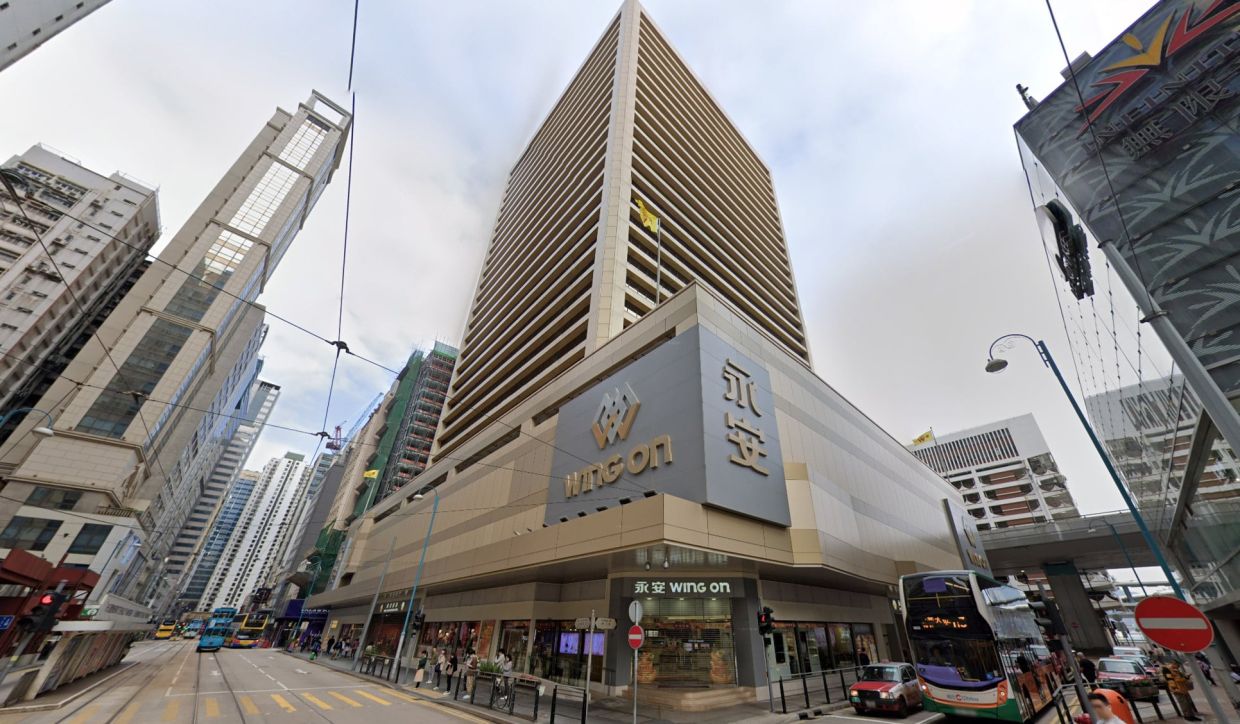
Hong Kong customs authorities have opened an investigation into whether an elderly customer was subjected to coercive sales tactics at a beauty outlet in central Hong Kong's prestigious Wing On department store. The case involves an 88-year-old woman who reportedly spent HK$100,000 (approximately US$12,750) on skincare and beauty treatment products during what her daughter describes as a pressurised three-hour encounter in April. The allegations have reignited concerns about predatory retail practices targeting vulnerable consumers in the territory's booming but increasingly controversial beauty products sector.
The complaint emerged through a social media post by a woman surnamed Ng, who detailed how her mother visited the Avinichi booth in Sheung Wan. According to Ng's account, the sales interaction took a troubling turn when a staff member allegedly withheld her mother's credit card, keeping it in a folder while continuing to pressure her into additional purchases. Over the course of three hours, the card was swiped four separate times, accumulating charges for skincare products, a beauty device, and a package of 24 detoxification sessions worth a combined HK$100,000. Ng claims that when her mother's helper attempted to end the interaction and suggest departure, the salesperson persisted with the sales pitch.
The psychological toll on the elderly customer was evident to her family afterwards. Ng reported that her mother felt mentally depleted and disoriented following the ordeal, describing the experience as leaving her feeling "hypnotised" by the sales process. This characterisation points to the sophisticated psychological manipulation techniques that have become hallmarks of the most aggressive retailers in Hong Kong's beauty sector. The family's subsequent attempt to seek redress proved frustrating, with Avinichi refusing a full refund and offering only an exchange arrangement instead.
When the matter was escalated to authorities, Ng filed complaints with both the Customs and Excise Department and the Consumer Council. The customs department responded with a statement acknowledging that it is "actively investigating the case" and would pursue "appropriate enforcement" measures if violations of the Trade Descriptions Ordinance are substantiated. Officials emphasised their commitment to zero tolerance against unfair trading practices, signalling that the territory's regulatory bodies are taking these complaints seriously amid mounting public concern.
The Avinichi investigation occurs within a broader context of heightened regulatory scrutiny on Hong Kong's beauty retail landscape. Earlier cases involving other major beauty brands have demonstrated that aggressive sales tactics are not isolated incidents but rather part of a systemic problem within certain segments of the industry. The arrest of two managers at the Hong Kong operations of Opatra London on suspicion of coercive sales practices set a precedent for law enforcement intervention. Additionally, The Mineral Boutique, operating under Beauty Express Group, has faced similar allegations of using high-pressure tactics to push consumers toward expensive product purchases they would not ordinarily make.
Avinichi's parent company, Apex Retail, operates a portfolio of beauty brands across Hong Kong and Singapore, with approximately a dozen retail locations in the territory operating under various brand names including Earth, Napara, Privilege Boutique, and Dualsonic. The company recently announced the launch of two Avinichi "experience boutiques" in 2025, reflecting the brand's expansion plans despite the emerging controversy. Wing On's Sheung Wan location is listed on Apex Retail's website as a key "mall partner," indicating the significance of this retail arrangement to the company's distribution strategy. When journalists visited the store following the complaint, staff members claimed ignorance of the allegations and requested contact information to facilitate a later company response, but no immediate clarification was provided.
The legal framework governing such practices in Hong Kong provides authorities with substantial tools to address consumer grievances. The Trade Descriptions Ordinance explicitly prohibits harassment, coercion, and misleading conduct employed to coerce consumers into purchases they would otherwise avoid. Legal experts have noted that the specific practices allegedly employed against Ng's mother—including withholding a credit card, sustained pressure despite clear withdrawal signals, and repeated card transactions within a compressed timeframe—potentially constitute breaches of this ordinance. These provisions exist to protect all consumers but carry particular importance when vulnerable populations such as the elderly are targeted.
The question of liability and operational independence complicates enforcement in this case. While Avinichi's trademark is owned by Exclusive Label, a United States-based entity, retail locations in Hong Kong operate under franchise arrangements with independent management. Avinichi's website includes a disclaimer stating that all retail outlets are independently owned and managed, potentially insulating the trademark holder from direct responsibility for individual outlet conduct. However, this operational structure does not absolve the retail operator or parent company Apex Retail from liability should aggressive sales practices be substantiated.
From a consumer protection standpoint, this episode underscores the particular vulnerability of elderly customers to exploitation by sophisticated retail environments designed to overwhelm decision-making faculties. The use of credit card retention tactics, combined with sustained sales pressure over extended periods, creates conditions designed to exhaust resistance and override rational purchasing decisions. The fact that a family member present at the location was unable to effectively interrupt the process suggests that staff are trained to manage and neutralise third-party intervention attempts.
The cumulative effect of these investigations and complaints is forcing Hong Kong's beauty retail sector toward greater accountability. The customs department's visible enforcement action, combined with public awareness generated by social media complaints, creates reputational and regulatory consequences that extend beyond individual cases. For Malaysian consumers and investors monitoring Hong Kong's retail landscape, these incidents highlight the importance of similar protective measures within Southeast Asia's own growing beauty retail market, where similar high-pressure tactics may already be emerging.
Looking forward, the outcome of the Avinichi investigation will likely establish precedent for how authorities treat credit card manipulation and sustained sales pressure tactics. Should customs enforcement result in penalties or charges, other beauty retailers may face pressure to revise their sales practices or face similar regulatory action. The Consumer Council's parallel involvement suggests that administrative consumer protection mechanisms are also being mobilised alongside criminal enforcement. For consumers across the region, these developments in Hong Kong demonstrate that regulatory frameworks can be activated to address predatory retail conduct, though prevention through consumer awareness remains essential.

