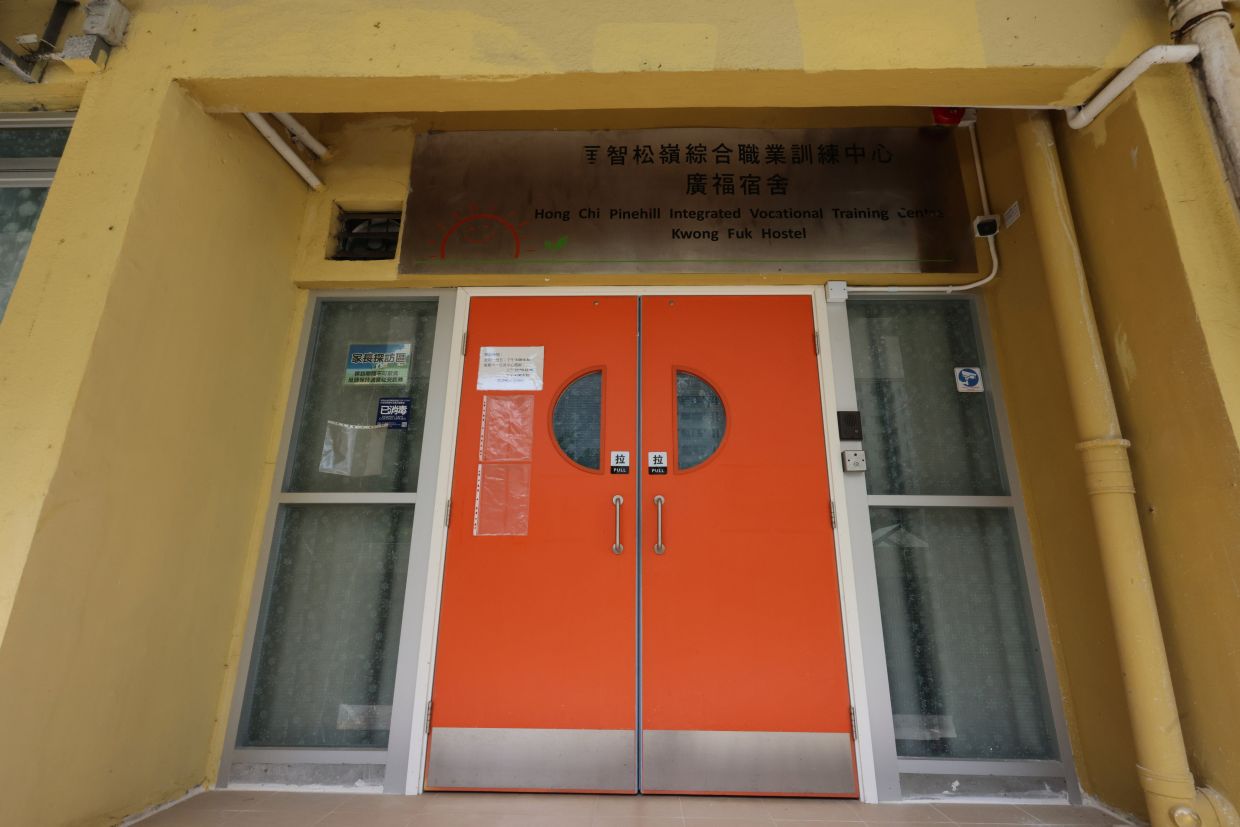
A man who worked as an assistant warden at a Hong Kong residential facility for intellectually disabled residents has been charged with five counts of rape involving a woman with severe cognitive impairment. Chung Pui-kei allegedly committed the offences during July and August 2024 at a Tai Po home operated by Chi Chi Association, a prominent non-governmental organisation providing social services. The case has raised questions about the adequacy of protection mechanisms for vulnerable populations living in institutional settings across Hong Kong and the wider region.
The victim, identified only as X to protect her privacy, is now 23 years old but possesses the cognitive capacity of a nine-year-old child. Prosecutor Human Lam Hiu-man presented evidence at the High Court suggesting that the power imbalance between the accused staff member and his vulnerable charge was fundamental to how the alleged abuse unfolded. The defendant cultivated what appeared to be a trusted relationship with X through seemingly innocent activities including video games and snacks, creating a facade of friendliness that reportedly masked predatory intent.
The High Court proceeding, presided over by Judge Douglas Yau Tak-hong, involves a jury comprising four men and two women. The prosecution's case hinges on multiple forms of evidence collected during the police investigation. Video-recorded interviews with X herself, alongside surveillance footage from the residential facility, form the evidentiary backbone of the prosecution's narrative. These materials allegedly document or corroborate the series of assaults that allegedly occurred both in the male staff rest area and within X's private room at the facility.
Lam painted a troubling portrait of how the victim responded to the assaults. X recalled instances where the defendant locked doors before forcing himself upon her, occasions when she experienced physical pain and attempted to express resistance or discomfort. In some situations, she remained silent out of fear that voicing objection would result in punishment or rebuke from Chung. This dynamic exemplifies the particular vulnerability of disabled residents who may lack both the cognitive capacity to fully comprehend what is happening and the confidence to resist authority figures in their lives.
Physical evidence presented during the trial included condoms and related items discovered in a locker within the male staff room. More significantly, police located a bedsheet from a female resident's bedroom that contained genetic material matching both the defendant and X. This forensic evidence, combined with X's own testimony captured in structured police interviews, constructs a comprehensive factual framework for the prosecution.
Testimony from psychiatric and psychological professionals provided clinical context regarding X's mental state and reliability as a witness. Psychiatrist Lydia Lam Yi-ngar from Tai Po Hospital examined X on two occasions during 2024 following the alleged incidents and compiled a detailed medical report. The psychiatrist's findings indicated that X had been diagnosed with bipolar affective disorder and had required hospitalisation in 2018 and 2021 for mental health management. However, with consistent medication adherence, X's condition had stabilised, requiring only routine medical follow-ups rather than ongoing intensive treatment.
The defence strategy, articulated through counsel Lawrence Hui Cheuk-lun's cross-examination, attempted to establish questions about X's capacity for accurate perception and memory. Hui explored whether medication non-compliance could trigger hallucinations that might distort X's identification of individuals, particularly regarding facial recognition. This line of questioning sought to undermine the reliability of X's account and identification of her alleged assailant. The psychiatrist countered by noting that hallucinations do not constitute a recognised side effect of valproate sodium, one of two medications X takes for mood stabilisation, and that blood tests demonstrated X had maintained appropriate therapeutic drug levels consistent with regular medication use in July 2024.
Clinical psychologist Wong Yik-tung, employed by the Social Welfare Department, conducted formal assessments of X's intellectual capacity and provided expert testimony regarding her psychological profile. Wong's evaluation, conducted after the alleged rapes, was scheduled to continue during the subsequent trial session, indicating the prosecution intends to establish definitively X's cognitive limitations and how those limitations would have affected her vulnerability during the alleged incidents.
The case carries significant implications for Hong Kong's regulatory oversight of care facilities and safeguarding protocols for vulnerable adults. The Chi Chi Association, despite its reputable standing, was nonetheless the site of these alleged serious criminal breaches of duty toward a person entirely dependent on institutional protection. For Malaysia and other Southeast Asian nations operating similar residential facilities for disabled populations, the proceedings underscore the critical necessity of rigorous background vetting, continuous supervision, and robust complaint mechanisms that empower vulnerable residents and their advocates.
The trial also highlights broader systemic questions about power dynamics within institutional environments. Care workers occupy positions of authority over residents who may lack capacity to resist, report, or even fully understand inappropriate conduct. Regular external monitoring, surveillance systems, and cultures of accountability remain essential safeguards. Furthermore, the reliance on X's own testimony despite her cognitive limitations raises important considerations about how legal systems can fairly adjudicate cases involving witnesses with intellectual disabilities while maintaining evidential rigour.
Beyond Hong Kong's borders, this case resonates across Southeast Asia where rapid population ageing and increasing institutional care of disabled persons requires corresponding evolution in protective measures. The intersection of cognitive disability, institutional dependency, and predatory behaviour represents a critical vulnerability that demands sustained policy attention and resource allocation toward staff training, facility design that minimises opportunities for abuse, and accessible complaint procedures that do not require sophisticated verbal articulation.

