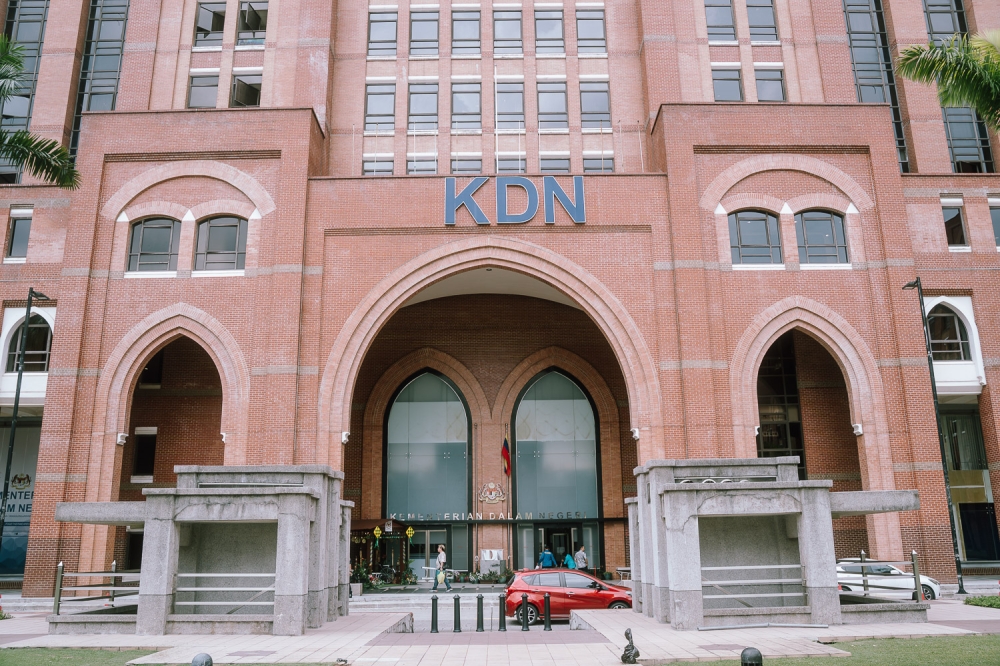
The Home Ministry has commenced a formal investigation into allegations of immigration misconduct connected to Network School's operations at Forest City, the sprawling mixed-use development located in Johor. The probe, announced from Putrajaya on July 14, signals renewed scrutiny of compliance frameworks at educational institutions within Malaysia's special economic zones and large-scale development projects.
Forest City, situated near the Malaysia-Singapore border in Iskandar Puteri, has been a focal point for regulatory oversight since its inception. The development attracts considerable foreign investment and expatriate populations, creating a complex environment where immigration procedures must be meticulously observed. Network School, which serves the international community within the development, has now become the subject of official examination following reports of potential regulatory breaches.
The investigation encompasses a broad range of operational aspects, particularly concerning how the institution manages the entry, residency, and employment status of its staff and student populations. Authorities are examining whether proper documentation was maintained, whether visa categories were correctly applied, and whether individuals remained within the scope of their permitted activities. Such probes typically involve coordinating between multiple agencies to cross-reference immigration records with employment contracts and educational registrations.
This development carries particular significance for Malaysia's growing international school sector, which has expanded substantially over the past decade. Institutions catering to expatriate communities occupy a unique regulatory position, balancing the need to attract qualified international educators and serve mobile populations while maintaining strict adherence to immigration law. The Home Ministry's action underscores that no educational establishment, regardless of its standing or the demographics it serves, operates outside official oversight.
Forest City itself has faced intermittent regulatory scrutiny since its development commenced. The project's scale, foreign ownership structure, and position as a gateway development have made it subject to heightened official attention. Beyond immigration concerns, the development has periodically drawn examination regarding land use compliance, environmental standards, and labour practices. This latest investigation must be understood within that broader context of regulatory vigilance surrounding the zone.
The timing of the announcement reflects the Home Ministry's commitment to addressing irregularities within the immigration system, an area that remains a policy priority given Malaysia's role as a regional hub for business, education, and tourism. Immigration compliance failures, whether intentional or negligent, can undermine confidence in the integrity of Malaysia's entry and residency frameworks. Officials have consistently prioritized rooting out such violations across all sectors and institution types.
For the international school community across Malaysia, the investigation serves as a reminder that institutions must maintain meticulous records and ensure all staff and student placements comply with relevant visa and work permit requirements. International schools in Kuala Lumpur, Penang, and other major cities operate under similar scrutiny, though investigations remain relatively infrequent. The Forest City case may prompt schools nationwide to review their compliance procedures proactively.
The investigation's scope and findings will likely influence how authorities approach oversight of similar institutions moving forward. Should the probe uncover systematic violations, regulatory frameworks governing international schools may face revision. Conversely, if breaches prove isolated and correctable, the case may result in administrative adjustments rather than substantive policy changes. Either outcome will shape the operational environment for educational institutions serving expatriate populations across Malaysia.
For parents considering Forest City's international educational options, the investigation introduces a temporary period of uncertainty regarding the institution's regulatory standing. However, probes of this nature typically occur over several weeks or months, and findings are usually communicated through official channels once concluded. The Home Ministry has not indicated whether any temporary restrictions on operations are being considered during the investigation period.
The broader implications extend to Malaysia's positioning as an attractive destination for foreign professionals and families. Educational infrastructure quality and regulatory reliability are factors that multinational corporations and expatriate communities weigh when deciding to establish presence in Malaysia. Demonstrating that immigration violations are identified and addressed promptly actually reinforces confidence in the system's integrity, even as it creates short-term inconvenience for the affected institution.
Regional peers including Singapore, Thailand, and the Philippines maintain similarly rigorous oversight of educational institutions serving international populations. Malaysia's investigation therefore aligns with regional standards for institutional compliance. The development of robust enforcement mechanisms, while sometimes creating friction, ultimately strengthens Malaysia's reputation as a destination offering stable, law-governed operating conditions.
Authorities have indicated that the investigation will be conducted thoroughly but expeditiously, with findings to be disclosed upon completion. Stakeholders, including the school's management, parents, and the broader international community in Forest City, are expected to cooperate fully with official inquiries. The outcome will provide clarity regarding both the specific circumstances at Network School and the state of immigration compliance within the broader development.

