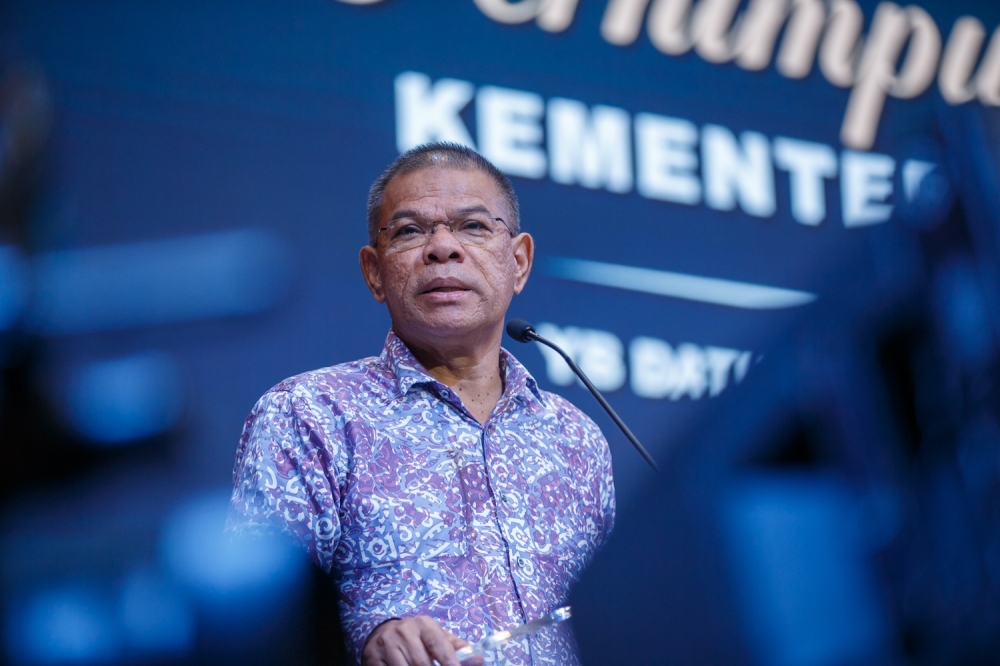
The Home Minister has initiated an immediate and comprehensive investigation following the deaths of three police officers in a tragic electric shock incident in Beaufort, signalling the federal government's commitment to establishing what occurred and ensuring accountability in this high-profile case that has shaken the law enforcement community across Sabah and beyond.
The three officers lost their lives under circumstances involving electrical contact, an incident that has raised urgent questions about workplace safety protocols and emergency response procedures in the Beaufort district. The timing of the directive underscores the gravity with which the federal government views the matter, with the minister's personal involvement indicating the political sensitivity and public concern surrounding the tragedy.
Comprehensive investigations of this nature typically examine multiple dimensions of the incident, including the environmental and technical factors that contributed to the electrical hazard, the adequacy of safety equipment and training provided to the officers, whether established safety procedures were properly followed at the time, and whether systemic gaps exist in how the police force addresses occupational health and safety in field operations. The transparent nature of the inquiry suggests the findings will eventually be shared with relevant stakeholders and potentially the public.
For Malaysian police forces operating across diverse terrain and challenging conditions, workplace safety remains an ongoing concern. Officers frequently work in remote locations and adverse weather conditions where electrical hazards, flooding, and other environmental risks are amplified. The Beaufort incident serves as a potential catalyst for reviewing and strengthening safety protocols across the Royal Malaysia Police force, particularly in Sabah's rural and coastal areas where such hazards may be less anticipated.
The incident carries significant implications for police morale and operational confidence. Three officers died simultaneously in a single incident, representing a substantial loss of personnel and expertise from what is likely a smaller district police contingent. Families of the deceased officers will be seeking answers regarding how their loved ones came into contact with electrical hazards during what should have been routine duty, making the transparency commitment particularly important for bereaved families navigating their grief.
Sabah, as a large state with dispersed settlements and developing infrastructure, presents unique operational challenges for law enforcement. The Beaufort division serves communities across both coastal and inland areas where infrastructure quality varies considerably. Understanding exactly what circumstances led to the electrical contact will inform whether this was an isolated accident, a consequence of inadequate infrastructure, or indicative of broader safety management issues requiring systemic reform.
The investigation will likely involve technical experts examining the electrical installation or equipment involved, statements from colleagues who were present or nearby, and a thorough reconstruction of events leading up to the incident. Investigators will need to determine whether the officers were responding to an emergency, conducting routine inspections, or engaged in other duties when the incident occurred, as this context will shape conclusions about preventability and accountability.
From a regional perspective, the incident resonates across Southeast Asia, where police forces in developing nations frequently operate with equipment and infrastructure that may not meet international safety standards. How Malaysia's authorities respond to this tragedy—both in terms of investigation transparency and subsequent safety reforms—may influence safety practices and accountability standards across the region's law enforcement agencies.
The minister's directive for speed in the investigation reflects recognition that prolonged uncertainty serves neither the bereaved families nor the police force's operational credibility. However, speed must be balanced against thoroughness to ensure findings withstand scrutiny and genuinely identify lessons to prevent similar tragedies. The outcome will likely influence training protocols, equipment standards, and safety procedures across Malaysian police operations.
Beyond immediate accountability, the incident raises broader questions about how Malaysian government agencies prioritize occupational safety, particularly for frontline personnel working in challenging environments. Whether the Beaufort tragedy becomes merely a tragic incident or a catalyst for meaningful institutional reform in police safety culture may depend significantly on how the investigation is conducted and how seriously its recommendations are subsequently implemented.
The federal government's swift intervention demonstrates that high-level attention is being directed toward both the immediate investigation and the implicit message being sent to the police force and public about accountability standards. For Sabah's communities and the broader police force, the outcome will be closely watched as an indicator of the institution's capacity to learn from tragedy and protect those who serve in its ranks.

