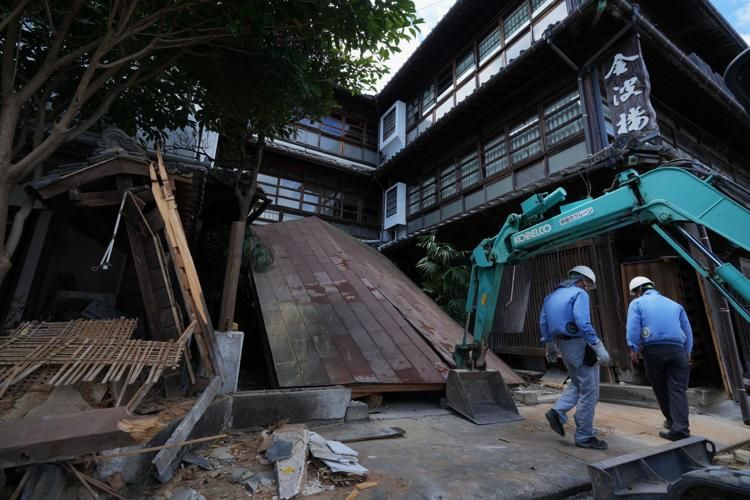
Japan's southwestern Kumamoto Prefecture faces a compounding disaster as it struggles simultaneously with the aftermath of a devastating magnitude 7.1 earthquake and a dangerous heatwave that is claiming lives among the displaced. The latest fatality—an elderly woman who died of apparent heat stroke inside a parked car—has prompted local officials to confront an uncomfortable reality: the initial earthquake that struck last Tuesday is proving less deadly than the subsequent conditions faced by the tens of thousands now without proper shelter.
The woman, found dead in an air-conditionless vehicle on Thursday, represents the type of secondary casualty that disaster management experts have long warned about but struggle to prevent. With the death toll now standing at 36 from the earthquake itself, this victim underscores how natural disasters claim lives long after the initial tremor subsides. The tragedy has galvanised Kumamoto Governor Takashi Kimura to issue urgent appeals to those taking refuge in vehicles, urging them to either maintain fuel supplies to run air-conditioning or relocate to properly equipped evacuation centres. His emotional response—describing the death as "heartbreaking"—reflects the moral weight of preventable casualties that could have been avoided through adequate disaster infrastructure.
Temperature conditions in the region have reached genuinely dangerous levels, with meteorological agencies recording readings of 36.6 degrees Celsius in Kumamoto city on Saturday, with forecasts suggesting further increases. Such extreme heat becomes life-threatening when combined with inadequate shelter, limited water supplies, and the stress of displacement. The Japan Meteorological Agency's designation of these conditions as "extreme heat" represents an official acknowledgement that the weather itself has become as much a threat as the earthquake damage. For comparison, Malaysian readers familiar with tropical heat will recognise these temperatures as comparable to the most oppressive days experienced during the monsoon season, yet Kumamoto's population has far less acclimation to sustained heat exposure.
The prefecture's infrastructure has been severely compromised, with nearly 47,000 homes still lacking access to fresh water and fuel shortages creating queues outside reopened petrol stations. These supply shortages mean that evacuees sheltering in vehicles face genuine dilemmas: run the engine to power air-conditioning and risk running out of fuel, or preserve fuel and endure dangerous heat. The situation reflects poor disaster preparedness, as authorities struggled to anticipate that some of the most vulnerable displaced persons would opt for vehicle shelter over crowded evacuation centres. This preference, driven by desires for privacy and independence, has inadvertently placed people in life-threatening conditions.
More than 9,000 people remain crammed into conventional evacuation shelters—converted community centres, school gymnasiums, and classrooms—many of which lack adequate air-conditioning. The crowded conditions create their own health risks beyond heat exposure, including sanitation challenges and disease transmission risks that experts have criticised as endemic to Japan's emergency shelter system. Prime Minister Sanae Takaichi has acknowledged these deficiencies, pledging to distribute water, food, portable toilets, air conditioners, and privacy partitions to improve conditions. However, such promises represent reactive rather than preventive measures, addressing failures in the disaster management framework only after casualties have occurred.
The earthquake itself caused significant destruction concentrated in specific locations. The Aeon Mall in Kashima town exemplifies the severity: an explosion apparently triggered by a gas leak caused structural collapse that killed seven people and required the extraction of five survivors, with the rescue operation finally concluding Saturday after days of intensive effort. A second facility, the Nippon Paper Industries factory in Yatsushiro city, experienced a chimney collapse that trapped eleven employees, resulting in nine confirmed deaths and two rescues. These concentrated disaster sites have absorbed enormous rescue resources, with thousands of Self Defence Force personnel, police officers, rescue workers, and trained dogs deployed across the prefecture.
The overall casualty picture remains incomplete and potentially understated. Beyond the 36 confirmed earthquake deaths, 105 people sustained injuries, while two additional deaths remain under investigation for possible earthquake causation. The number of missing persons has not been officially disclosed, suggesting either incomplete accounting or ongoing search operations that may yet uncover additional bodies. Over 180 homes have been completely destroyed and more than 3,800 buildings damaged, with 20 suffering severe structural compromise. These figures indicate infrastructure damage that will require months or years to address, meaning displaced populations cannot expect rapid return to normal conditions.
For Southeast Asian observers, this disaster illustrates vulnerabilities that extend beyond the immediate earthquake impact. While seismic activity rarely affects the region's mainland, the secondary effects visible in Kumamoto—heat-related illness among displaced persons, sanitation challenges in mass shelters, fuel and water supply disruptions—represent hazards relevant to tropical disasters including floods and typhoons. The failure of Japan's evacuation shelter system to adequately protect vulnerable populations suggests that even wealthy, well-organised nations struggle with disaster management challenges that developing countries face routinely. The preference of some evacuees to shelter in vehicles rather than crowded centres indicates that disaster planning cannot rely on assumptions about how displaced persons will behave.
Governor Kimura's appeal to rescue personnel "not to leave anyone behind" carries particular weight given the heat stroke death and ongoing missing persons situation. The statement acknowledges that rescue operations extend beyond extracting survivors from rubble; they must encompass preventing deaths among those already rescued but inadequately supported. This expanded interpretation of rescue responsibility represents an important evolution in disaster management thinking. As Kumamoto Prefecture moves beyond the immediate rescue phase into the longer recovery period, the challenge becomes sustaining displaced populations through an extended ordeal of infrastructure reconstruction and psychological adjustment.
The earthquake itself was powerful enough to cause widespread damage, but the ensuing crisis has been partly shaped by circumstances beyond geological inevitability. The combination of extreme heat, fuel shortages, and inadequate shelter demonstrates how disasters compound in ways that initial magnitude readings cannot predict. For policymakers and planners across the region, Kumamoto's experience offers cautionary lessons about the importance of pre-disaster preparation for secondary consequences, including heat stress management, supply chain resilience, and shelter infrastructure that maintains dignity and safety rather than merely providing temporary refuge.

