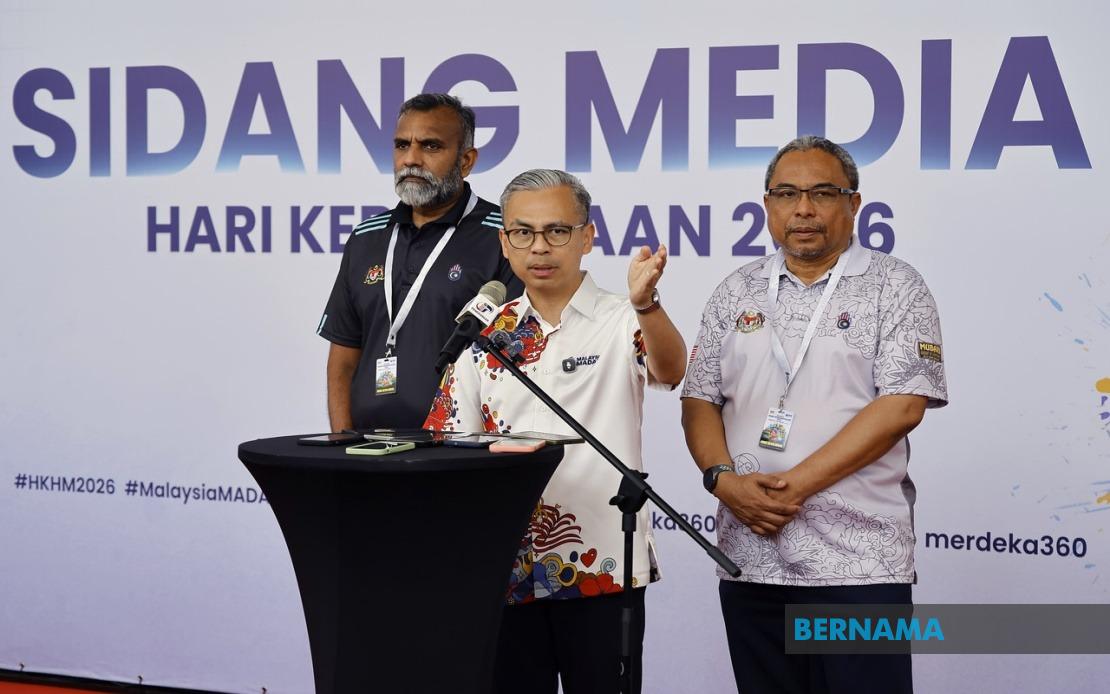
Authorities have issued health guidance for attendees at this year's National Day festivities scheduled for Dataran Putrajaya, recommending protective measures as the country grapples with persistent haze. Communications Minister Datuk Seri Fahmi Fadzil, heading the 2026 National Day and Malaysia Day celebrations committee, emphasised that N95 masks would provide effective protection against air quality concerns affecting the region.
The advisory aligns with official guidance from the Health Ministry, which has identified vulnerable populations requiring particular attention. Parents accompanying young children, individuals with respiratory conditions including asthma, and elderly visitors should prioritise respiratory protection during outdoor festivities. However, organisers have stressed that mask-wearing remains a voluntary decision rather than a mandate, respecting personal choice while raising awareness about health risks.
To support participants, event organisers have undertaken substantial preparations to ensure accessibility of protective equipment. More than 10,000 N95 masks have been stockpiled and will be distributed to celebration participants as a preventive measure. This proactive approach demonstrates recognition of widespread haze exposure across Southeast Asia, an increasingly common seasonal challenge affecting the region's air quality and public health outcomes.
Beyond respiratory protection, comprehensive medical infrastructure has been deployed throughout the celebration venue. Health Ministry medical teams have established strategic stations at multiple locations to respond immediately to health emergencies or haze-related incidents. According to Fahmi, all medical bases are currently operational without reported complications, indicating robust preparation for potential medical interventions during the event.
The full dress rehearsal preceding Monday's festivities proceeded without significant issues, confirming organisational readiness and logistical competence. This successful trial run provided valuable opportunity to test emergency protocols, crowd management systems, and coordination between various agencies participating in the national celebration.
Media coverage of the celebrations has expanded notably compared to previous years, reflecting heightened national and international interest in Malaysia's patriotic observance. Approximately 823 media practitioners have been allocated credentials this year, representing a substantial increase from roughly 600 journalists in the previous year's coverage. This expansion underscores Malaysia's commitment to transparent communication and comprehensive documentation of national events for both domestic and global audiences.
Infrastructure improvements have prioritised reliable communications connectivity, addressing persistent concerns about media operations during major events. The Malaysian Communications and Multimedia Commission has collaborated with telecommunications operators to install enhanced communications equipment at 102 venues associated with National Day celebrations, substantially strengthening network capacity and internet accessibility throughout Putrajaya's celebration zones.
Security arrangements have proceeded smoothly, with the Royal Malaysia Police reporting no significant incidents or operational concerns. Public order remains stable at current levels, indicating effective crowd management and coordination between security agencies. The absence of reported security issues demonstrates meticulous planning and proactive intervention by law enforcement, establishing confidence in the safety framework surrounding the celebrations.
The convergence of health precautions, expanded media engagement, and comprehensive security measures reflects the multifaceted planning required for major national observances in Malaysia. With over one million visitors typically attending Dataran Putrajaya celebrations, organisers must simultaneously address air quality health risks, ensure extensive media coverage capabilities, and maintain robust security protocols. This year's combination of environmental challenges and operational enhancements demonstrates how Malaysia adapts celebrations to contemporary circumstances affecting the region.
The emphasis on individual responsibility regarding mask-wearing, coupled with generous distribution of protective equipment, represents a balanced public health approach that neither dismisses genuine environmental risks nor imposes unnecessary restrictions on citizen participation. This philosophy respects Malaysian autonomy while acknowledging scientific consensus regarding haze mitigation strategies. As Southeast Asian countries increasingly contend with seasonal transboundary haze affecting air quality, Malaysia's approach to protecting public health during major events offers instructive example of pragmatic crisis management.
For Malaysian businesses and tourism operators, the scaled-up media presence promises enhanced international visibility for national celebrations and cultural significance. The upgraded telecommunications infrastructure deployed for this event may also provide foundation for future large-scale gatherings, establishing precedent for technology-enabled public engagement. Medical preparations established for National Day festivities similarly strengthen existing healthcare capacity and emergency response capabilities that benefit broader Putrajaya operations throughout the year.
The comprehensive preparatory measures announced by Minister Fahmi indicate government commitment to ensuring that environmental challenges do not significantly disrupt Malaysians' exercise of civic pride and patriotic celebration. By combining voluntary health guidance, readily accessible protective equipment, and substantial medical support, authorities have constructed framework allowing safe, inclusive national observance despite current regional air quality concerns.

