Medical drama The Pitt and veteran comedy Hacks have emerged as the frontrunners for the 2025 Emmy Awards, announced on July 8, positioning HBO Max as the dominant force in this year's television honours race. The two programmes collectively garnered 49 nominations, a commanding lead that underscores the streaming service's investment in quality storytelling and its growing influence over the American television landscape.
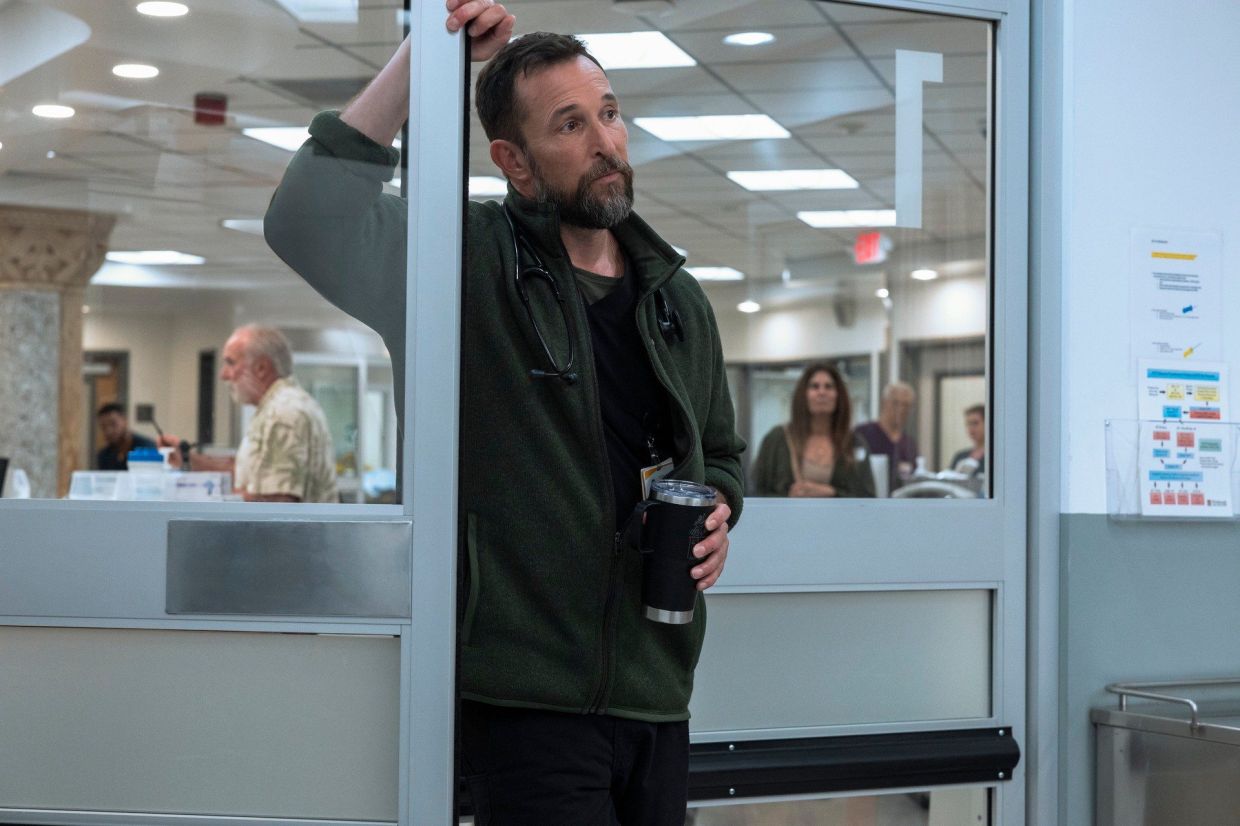
The Pitt, which follows the high-pressure world of a Pittsburgh emergency room where events unfold in real time, has captured the imagination of viewers and industry voters alike with 25 nominations including a coveted best drama nod. The series employs a narrative structure reminiscent of hospital procedurals like ER combined with the ticking-clock tension of action dramas, but distinguishes itself through unflinching engagement with contemporary social issues. By weaving storylines around abortion rights, immigration enforcement, and mass violence into its portrayal of frontline healthcare workers, the show transcended its initially modest viewership to become a cultural phenomenon driven by word-of-mouth momentum.
Noah Wyle, who achieved early fame through his role in ER decades earlier, has capitalised on The Pitt's success to win substantial accolades including an Emmy, and now faces renewed recognition as a best drama actor contender. His involvement carries particular resonance for viewers who followed his earlier career, creating a generational bridge in the television landscape. The actor's trajectory—returning to similar terrain after an extended absence—mirrors the broader Emmy narrative of established performers finding renewed relevance in streaming-era programming.
Hacks, entering its fifth and final season, represents a different competitive category but no less commanding presence with 24 nominations in the best comedy race. The programme's enduring appeal rests on its central dynamic: an ageing stand-up comedian attempting career resurrection with assistance from a millennial assistant whose dysfunction mirrors her own. Jean Smart, the show's centrepiece, has accumulated four Emmy victories for her portrayal of seasoned performer Deborah Vance and remains a nominee once more, while her younger counterpart Hannah Einbinder, who secured her inaugural Emmy in 2025, again features in the race.
Beyond HBO Max's duopoly, significant competition emerges from rival streaming platforms attempting to establish their own Emmy credentials. Vince Gilligan's Pluribus, now on Apple TV and built around a post-apocalyptic premise where an alien virus has converted most humanity into a peaceful collective consciousness, earned 18 nominations. The series, which positions a small group of immune individuals against this transformed world, has already demonstrated competitive strength through Rhea Seehorn's Golden Globe and Critics Choice Award wins earlier this year, establishing her as an early Emmy favourite for best drama actress.
The drama category extends beyond these leaders to encompass Keri Russell's political espionage thriller The Diplomat, the espionage series Slow Horses, and the Game of Thrones universe expansion A Knight of the Seven Kingdoms. This depth suggests voters possess considerable choice among programmes exploring power, secrets, and institutional dysfunction—themes that resonate particularly with international audiences, including Southeast Asian viewers following American political developments.
Apple TV has made aggressive inroads into the comedy space through Widow's Bay, a horror-comedy vehicle featuring Matthew Rhys as an eccentric New England mayor promoting his supposedly haunted island for tourism. The programme's 19 nominations mark a significant breakthrough for a new series, positioning it as a genuine disruptor in the competition. Alongside established contenders like Shrinking, which pairs Jason Segel and Harrison Ford as mismatched therapists, and The Bear's final season exploring Chicago's restaurant industry through dark satire, the field demonstrates the current era's preference for ensemble-driven narratives examining professional worlds.
The Bear's substantial historical Emmy success, including multiple wins for Jeremy Allen White, seemed to suggest continued dominance, yet his absence from this year's nominations indicates the unpredictable nature of voter preference or potentially artistic decisions surrounding the show's final chapter. This omission underscores how even programmes with established track records cannot assume recognition.
Netflix maintains competitive relevance through Beef, which topped limited series nominations with 16 mentions. The anthology series' second iteration, featuring Oscar Isaac and Carey Mulligan exploring the volatile relationship between two couples, demonstrates streaming's continued capacity to generate prestige content. Conversely, Love Story: John F. Kennedy Jr And Carolyn Bessette, despite drawing controversy and audience attention through its exploration of an iconic couple's courtship and deaths, received only six nominations despite generating considerable cultural conversation.
The September 14 ceremony in Los Angeles will be hosted by Mariska Hargitay, the long-serving star of Law and Order: SVU, whose presence connects broadcast television's established traditions with the streaming era's emerging prestige. For Malaysian and Southeast Asian audiences, these Emmy competitions matter beyond mere entertainment value, as they reflect the global dominance of American television narratives and the strategic battles between streaming platforms competing for international subscribers and cultural influence.
The 2025 race demonstrates how traditional television hierarchies have shifted decisively toward streaming platforms, with HBO Max, Netflix, and Apple TV now commanding the major categories previously dominated by broadcast networks. This structural transformation reshapes not only which stories receive industry recognition but which narratives gain international distribution and audience reach. Malaysian viewers increasingly consume these programmes through their preferred streaming services, making industry recognition patterns relevant to understanding which content will subsequently receive prominence in regional markets.

